When most people think of an African safari, they picture lions on the Serengeti or wildebeest migrations in Kenya. But head a little further west, and you’ll find something equally breathtaking—the lush forests of Uganda and Rwanda, home to some of the rarest primates on Earth: mountain gorillas and wild chimpanzees.
Uganda and Rwanda offer more than just traditional safaris—they provide life-changing wildlife experiences in some of the most beautiful and biodiverse places on the planet. If you’re seeking something beyond the usual game drive, this region delivers unforgettable adventures.
Tucked away in southwestern Uganda, Bwindi Impenetrable National Park is a misty, mountainous rainforest sheltering more than half of the world’s mountain gorilla population. Trekking here means hiking rugged terrain through ancient forest until you find a gorilla family peacefully going about their day. Bwindi is also ideal for dramatic, low-light forest photography. The dense jungle and filtered light create moody, cinematic images, but a camera with strong low-light capability is essential. Up-close portraits are especially rewarding, though dense foliage can limit wide-angle shots.
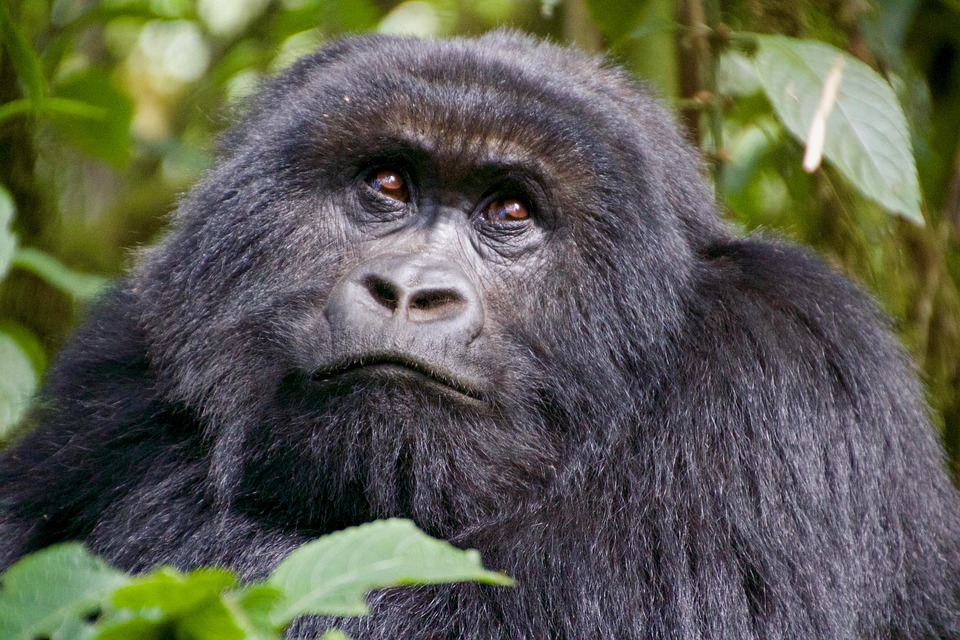
Just across the border in Rwanda, Volcanoes National Park offers a slightly different gorilla trekking experience. With more open bamboo forest and less undergrowth, it’s often easier to photograph gorillas here—especially if you prefer clearer shots and more natural light. Thanks to Rwanda’s high standards of guiding and permit regulation, photographers often find this park more predictable and better suited for clean, high-contrast images. The volcanic backdrops also add a dramatic layer to your photos.
But it’s not all about mountain gorillas! Other primates will capture your heart—chimpanzees are the soul of Uganda’s forests. And there’s no better place to find them than Kibale Forest National Park, home to over 1,500 wild chimpanzees.
Tracking chimpanzees is more fast-paced than gorilla trekking. You might hear their loud calls echoing through the canopy before you see them. Once found, you’ll witness their intelligence and social nature, from grooming rituals to playful chases through the trees.
Kibale is also packed with other primates—red colobus monkeys, L’Hoest’s monkeys, mangabeys—and over 370 bird species. For rainforest lovers, this is paradise. The most famous resident is the striking black-and-white colobus (Colobus guereza). With a sleek black coat, long white fringes along the sides and tail, and a white beard, they look like they’re dressed in tailored tuxedos. Their flowing white tail, often longer than their body, adds to their dramatic presence and helps with balance as they move through the trees.
Uganda isn’t just about primates—it also offers classic safari experiences in parks like Queen Elizabeth and Murchison Falls.
Queen Elizabeth National Park features game drives through the Kasenyi plains and boat safaris on the Kazinga Channel, where you’ll see hippos, elephants, and buffaloes up close. The channel is a birding mecca, with over 600 bird species recorded.
Further south in Ishasha, you might spot the region’s famous tree-climbing lions lounging in fig trees. Why do lions climb trees? They often seek relief from tsetse flies and other biting insects found in low-lying or marshy areas. Trees also provide shade and cooler breezes, making them perfect for resting off the hot ground.
Murchison Falls National Park is Uganda’s largest and most iconic park, covering over 3,800 square kilometers in the northwest. Here, the powerful Nile River squeezes through a narrow gorge, plunges 43 meters into a foaming cauldron, and continues through savannahs teeming with wildlife.

But the heart of any journey through Uganda and Rwanda isn’t just the landscapes or wildlife—it’s the people. Known for their hospitality, resilience, and rich cultural heritage, the people of these two East African nations leave a lasting impression.
Uganda is home to over 50 ethnic groups, each contributing to a vibrant cultural tapestry. From the royal traditions of the Baganda in the central region to the Acholi, Banyankole, and Basoga communities, Uganda pulses with color, rhythm, and friendliness. Despite language and cultural differences, Ugandans share a strong sense of community and respect for tradition.
In Rwanda, the people share a unique identity shaped by history and healing. Since the 1994 genocide, Rwanda has become a global example of reconciliation and progress. The Rwandese—primarily from the Kinyarwanda-speaking Hutu, Tutsi, and Twa groups—are known for their resilience, discipline, and warm, soft-spoken nature. Community values, innovation, and pride in their clean, green country are evident everywhere.
Whether greeted with a handshake, smile, or story, the people of Uganda and Rwanda show that kindness and connection are a way of life here.
One of the most inspiring aspects of wildlife tourism in Uganda and Rwanda is how much it supports conservation and local communities. Every gorilla or chimpanzee trekking permit helps protect forests and fund healthcare, schools, and jobs in nearby villages.
Both countries demonstrate how eco-tourism can be done right—balancing unforgettable wildlife experiences with genuine care for the environment and people.
If you’re planning a trip to these incredible countries, contact tours@nomadicadventures.co.za for expert guidance.
 Nomadic Adventures's Blog