The Inca Trail is one of the most iconic treks in the world. Winding through stunning Andean landscapes, ancient ruins, and unique wildlife, it offers a once-in-a-lifetime opportunity to immerse yourself in Peru’s rich history and natural beauty. If you’re considering embarking on this epic adventure, get ready for a mix of physical challenge, breathtaking views, and the thrill of stepping in the footsteps of the ancient Incas.
Here’s what you can expect on your Inca Trail trek, along with some essential dos and don’ts to ensure your journey is as smooth as possible.
What to Expect:
- Spectacular Scenery and Flora From cloud forests to alpine tundra, the Inca Trail offers an ever-changing landscape that will take your breath away. Along the way, you’ll pass through lush green valleys, cross high mountain passes, and be treated to stunning views of snow-capped peaks. The trail is also home to an incredible array of orchids—over 400 species of these delicate flowers bloom throughout the trek. Their colors and variety add an extra layer of magic to the journey. Don’t forget to take a moment to admire these vibrant blooms, especially in the subtropical zone, where they thrive.
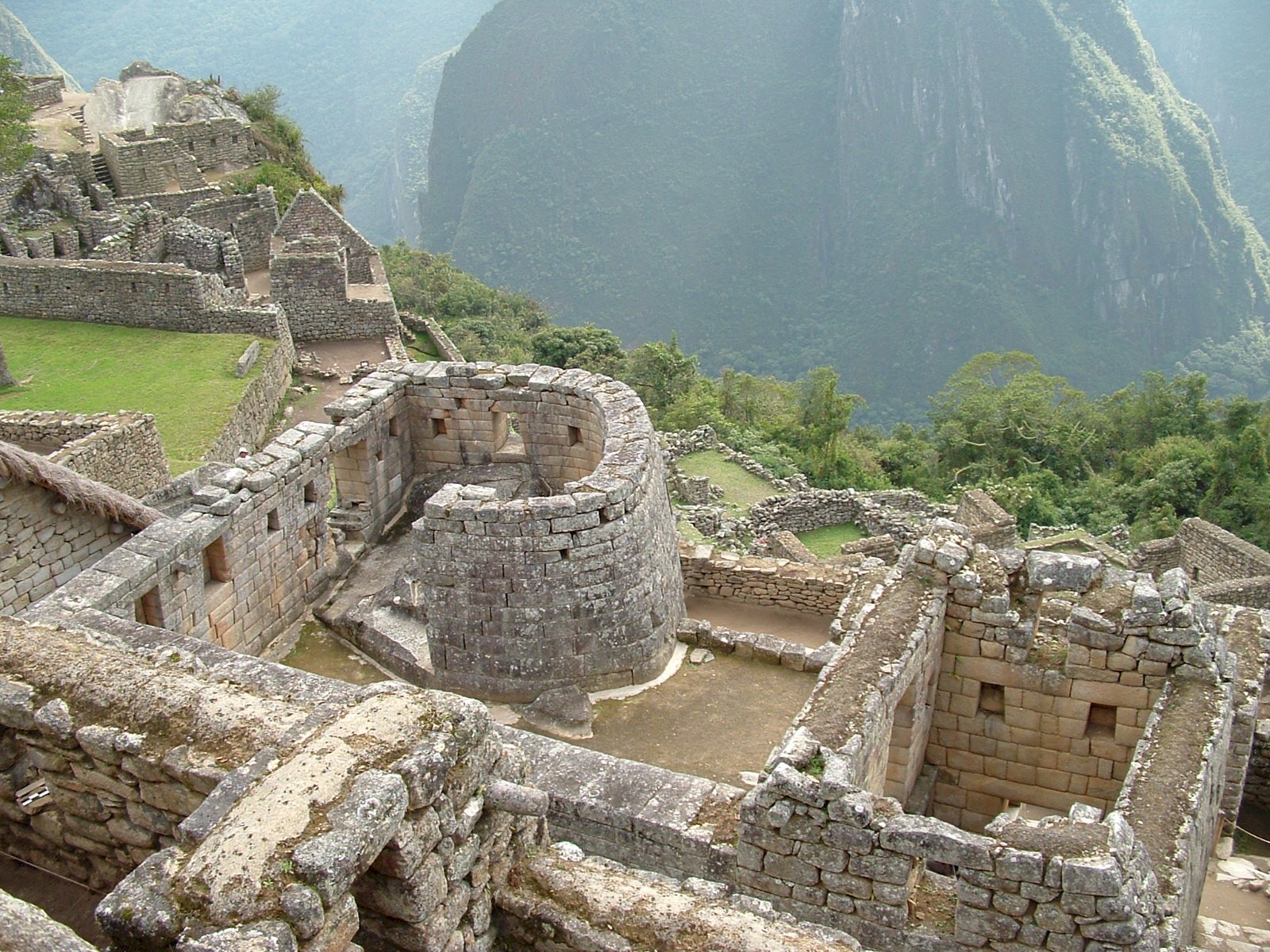
- Ancient Ruins and Inca Sites The Inca Trail is more than just a physical challenge – it’s a journey through time. Along the route, you’ll encounter several Inca archaeological sites that highlight the region’s ancient civilization. Wiñay Wayna, one of the most beautiful and impressive, features lush terraces built into the hillside and offers sweeping views of the surrounding mountains and valleys. Other ruins, like Phuyupatamarca and Sayacmarca, offer fascinating glimpses into Inca life and engineering. These sites are a constant reminder of the ingenuity and vision of the Inca Empire.
- Friendly Faces and Alpacas One of the joys of the Inca Trail is the opportunity to interact with the local people. The trail passes through several remote communities where you’ll often see locals wearing traditional Andean clothing, with their vibrant colors contrasting beautifully against the natural landscape. You’ll also encounter the charming alpacas, the fluffy animals that are an iconic symbol of the Andes. These creatures, often seen grazing in the high-altitude meadows, add to the authenticity and charm of the trek.
A word of caution: while alpacas are generally friendly, they can be a bit feisty. If you’re walking through areas where alpacas are grazing, be mindful of their space. They have a reputation for spitting when they feel threatened or annoyed—especially if you approach them too quickly or crowd them. If you see an alpaca looking uncomfortable or making eye contact, it’s best to keep your distance. And, if you do get caught in an alpaca’s line of fire, don’t worry—just try not to take it personally! It’s part of their quirky nature.
- The Challenge The Inca Trail is a challenging hike. It’s about 26 miles (42 kilometers) and takes 4 days to complete. The high altitude (with the highest point at 13,828 feet / 4,215 meters) can be a bit of a challenge, especially on the first day, so be prepared for some steep ascents and descents. Don’t worry though, the reward is worth every step!
- A Sense of Accomplishment Reaching the Sun Gate at Machu Picchu after completing the trail is an incredibly rewarding experience. The sense of accomplishment is unmatched, especially when you get to witness the majestic sunrise over one of the New Seven Wonders of the World.


Do’s:
- Prepare Physically While the Inca Trail is open to people with a moderate fitness level, preparing beforehand will make your trek much more enjoyable. Aim to do some cardio workouts, such as hiking, walking, or running, leading up to the trip. Don’t forget to train on uphill inclines!
- Acclimate to the Altitude Cusco, the starting point for the trek, is located at a high altitude. Arriving a few days before your trek will give you time to acclimatize to avoid altitude sickness. Drink plenty of water, avoid alcohol, and take it easy before the hike begins.
- Pack Light (But Smart) The weight you carry matters. Your porters will carry your main luggage, but you’ll need to pack a small daypack for essentials such as water, snacks, a jacket, and sunscreen. Be sure to bring layers as temperatures can fluctuate greatly throughout the day.
- Respect the Environment and Culture The Inca Trail is sacred to many locals. Always follow the Leave No Trace principles and avoid littering. Respect local customs and the traditions of indigenous communities along the way.
- Stay Hydrated and Nourished You’ll be exerting yourself, so hydration is key! Drink plenty of water throughout the day, and refuel with energy-packed snacks like trail mix or fruit. Your tour company will also provide meals, which typically include hearty, well-balanced options, but it’s always a good idea to bring some extra snacks.
Don’ts:
- Don’t Rush The Inca Trail is all about soaking in the journey. Don’t rush ahead of your group to try to complete the trek faster. Enjoy the views, take photos, and absorb the history that surrounds you. The experience is just as important as the destination.
- Don’t Overpack The key to a successful hike is packing light. While it’s tempting to bring everything, keep your pack manageable. Overpacking will slow you down and make the trek less enjoyable. Stick to essentials only!
- Don’t Ignore Your Body Listen to your body. If you’re feeling tired, dizzy, or unwell, don’t hesitate to take breaks or communicate with your guide. In some cases, altitude sickness can be serious, so always prioritize your health over pushing through exhaustion.
- Don’t Forget Sunscreen The sun can be intense, especially at high altitudes. Even if it’s cloudy, the UV rays can still be strong. Apply sunscreen liberally, and don’t forget sunglasses and a wide-brimmed hat to protect yourself from sunburn.
- Don’t Underestimate the Weather The weather can change quickly in the mountains. Pack a lightweight rain jacket, even if the forecast looks clear. The evenings and mornings can be chilly, so bring a warm jacket or fleece layer.
The Inca Trail isn’t just a hike; it’s an experience that will stay with you forever. It’s a physical challenge, but the camaraderie with your fellow trekkers, the beauty of the landscapes, and the awe-inspiring history make it all worthwhile. So get ready to hike, explore, and discover a side of Peru you’ll never forget!
By following these dos and don’ts, you’ll set yourself up for a safe and memorable journey on the Inca Trail. Get ready for the adventure of a lifetime – your first steps toward Machu Picchu await!
 Nomadic Adventures's Blog