When buying hiking boots, especially for a challenging trek like Mount Kilimanjaro, it’s easy to make mistakes that can lead to discomfort or even injury. Here are some of the most common mistakes people make when purchasing boots—and how to avoid them:
1. Not Trying Boots on with Hiking Socks
Many people try on hiking boots with regular socks, but when hiking, you’ll typically wear thicker, moisture-wicking hiking socks. The fit can vary dramatically with different types of socks. Always try on boots with the exact type of socks you plan to wear on your trek to ensure the boots fit properly and feel comfortable. This can also help you gauge whether the boots are too tight or too loose.
2. Choosing Style Over Function
It’s easy to be swayed by the look of a boot, but when it comes to hiking boots, function should always take precedence. A boot may look great, but if it doesn’t provide proper support, traction, or waterproofing, it will likely cause problems on the trail. Don’t get caught up in brand names or aesthetics—focus on the features that matter most for the terrain you’ll be tackling.
3. Not Breaking In the Boots
One of the biggest mistakes hikers make is wearing their new boots for the first time on a multi-day trek like Kilimanjaro. New boots often require a break-in period to mold to your feet and become more comfortable. Wearing them for a few shorter hikes or walks in different conditions before your trip can help prevent blisters and discomfort on your actual climb.
4. Buying Boots That Are Too Tight or Too Loose
A poor fit can lead to blisters, foot pain, or worse. Many people opt for boots that are either too tight (thinking this will prevent blisters) or too loose (thinking they’ll have extra space for swelling). The key is to find a boot that fits snugly but comfortably. Your toes should have enough room to move without feeling cramped, and there shouldn’t be excessive slipping in the heel. The boots should also accommodate foot swelling during your hike, especially at higher altitudes.
5. Ignoring Terrain-Specific Features
Mount Kilimanjaro has a variety of terrain types, from wet rainforests to rocky alpine deserts and icy summits. Many people fail to consider the boots’ ability to handle different types of terrain. For instance, boots with poor tread won’t perform well on rocky, slippery paths, while those without waterproofing might lead to wet feet during the rainy season. When choosing boots, make sure they have the right balance of waterproofing, support, and traction for the specific conditions you’ll face.
6. Overlooking Weight
Some hikers mistakenly choose overly heavy boots, thinking that more weight means more support. However, heavier boots can cause unnecessary fatigue on long hikes, especially on Kilimanjaro’s diverse terrain. Conversely, super-light boots may not offer the durability or support needed. Aim for a boot that is sturdy but not excessively heavy—light enough for comfort, but supportive enough for rough terrain.
7. Forgetting to Check the Boot’s Waterproofing
Kilimanjaro’s lower elevations can be rainy and wet, while the higher altitudes may involve snow or slush. Failing to choose waterproof boots can lead to cold, wet feet, which can be uncomfortable and even dangerous, especially at high altitudes. Make sure your boots are made with waterproof materials, such as Gore-Tex, and seal any seams to keep water out.
8. Underestimating the Importance of Insulation
If you’re climbing Kilimanjaro, you’ll experience significant temperature changes, especially as you ascend. At lower elevations, it can be warm and humid, but on the summit, it can be freezing with snow. Some hikers don’t consider the insulation needs of their boots. If you’re trekking in cold weather or expect to be walking in snow or ice, make sure your boots have some level of insulation to protect your feet from the cold.
9. Choosing Style Over Durability
It’s tempting to buy cheaper boots for a short-term trip, but investing in high-quality, durable boots is crucial for both comfort and safety. Cheaper boots might seem like a good deal, but they can lack the necessary durability for long hikes on tough terrain. Well-made boots from reputable brands will last longer, provide better support, and withstand the conditions of Mount Kilimanjaro.
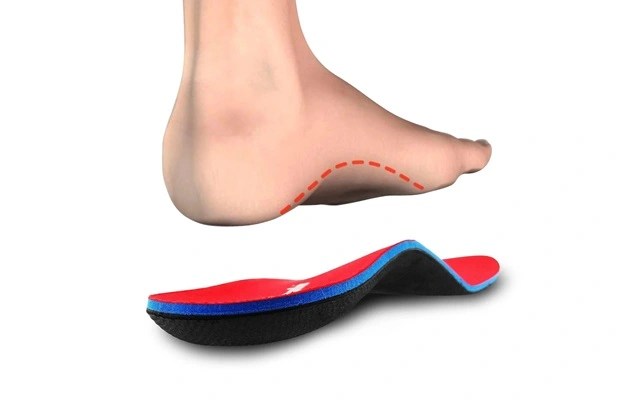
10. Not Considering Foot Shape and Arch Type
Everyone’s feet are different—some have high arches, flat feet, or wide feet. Not taking your specific foot shape into account can result in discomfort and injury. Make sure to choose boots that accommodate your foot type. If you have special foot needs, like flat feet or high arches, consider purchasing custom insoles or orthotics to improve comfort and support.
11. Not Checking for Proper Flexibility
Some hikers make the mistake of choosing overly stiff boots, thinking they’ll offer more support. However, boots that are too stiff can be uncomfortable and tiring over long distances. While you do need solid ankle support for Kilimanjaro’s varied terrain, boots that are too rigid can restrict movement. Look for a boot with the right balance of flexibility for comfort and stability.
12. Skipping the Professional Fit Test
Many people assume they can pick any pair of boots based on reviews or what worked for others. However, everyone’s feet are unique. If you’re unsure about which boot is the right choice, don’t hesitate to visit an outdoor store and have your feet professionally measured and fitted. Many stores have knowledgeable staff who can help you find the ideal boot based on your foot shape, arch type, and planned hiking conditions.
Final Thoughts
When purchasing boots for a big adventure like Mount Kilimanjaro, it’s important to avoid these common mistakes. Take the time to select boots that fit well, offer proper support and waterproofing, and match the type of terrain you’ll be facing. By doing so, you’ll have the confidence to take on Kilimanjaro’s diverse conditions and make the most of your hiking experience. Happy hiking!
 Nomadic Adventures's Blog