Mount Kilimanjaro, Africa’s tallest peak, attracts thousands of hikers every year, offering breathtaking views and a challenging ascent. Whether you’re tackling the mountain for the first time or are a seasoned climber, having the right hiking boots is crucial for a successful and comfortable trek. Here’s your ultimate guide on selecting the perfect pair of hiking boots for Kilimanjaro!
1. Why the Right Boots Matter
Kilimanjaro’s climate and terrain vary greatly from the lower slopes to the summit. You’ll encounter everything from rainforests to alpine deserts, and finally, a snowy, rocky summit. For this reason, your boots need to be durable, comfortable, and capable of handling the diverse conditions you’ll face. Proper boots can prevent blisters, keep your feet dry, and provide the necessary support for those long hours of climbing.
2. What to Look for in Hiking Boots
a. Waterproofing
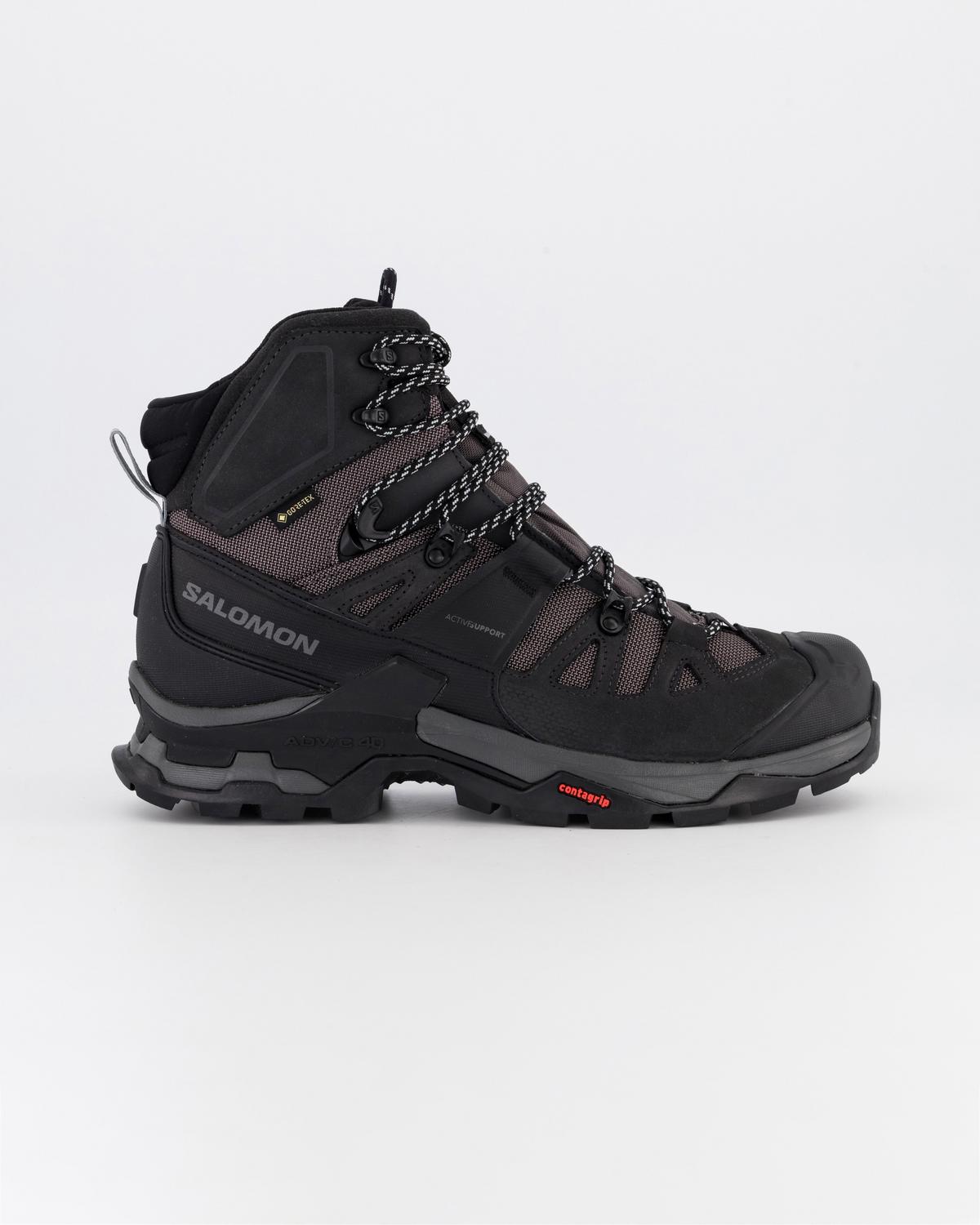
Mount Kilimanjaro is located near the equator, but its weather can be unpredictable, especially at the lower altitudes. From tropical rainforests to potentially wet conditions at higher altitudes, waterproofing is a must. Look for boots made with waterproof materials like Gore-Tex to keep your feet dry and comfortable. This will protect you from wet trails, snow, or even a sudden downpour, which are common on the mountain.
b. Support
Kilimanjaro’s ascent is long and grueling, with rocky paths and steep inclines. You need boots that offer plenty of ankle and arch support to avoid strain or injury. Hiking boots with high cuffs and stiff soles provide the necessary stability for uneven terrain. Make sure the boots offer good arch support to reduce foot fatigue during your long trek. A sturdy boot will keep you comfortable on rocky paths and ensure that your ankles stay protected from potential twists.
c. Fit
A good fit is essential for comfort on the mountain. It’s crucial to get the right size—too tight, and you risk blisters; too loose, and your feet will slide, causing discomfort. Be sure to try on boots with the socks you plan to wear during your hike, as this can affect the fit. Consider a half-size larger than your regular shoe size to allow for swelling over the course of the day. Also, make sure the boots are wide enough for your feet to avoid squeezing or rubbing.
d. Weight
While lightweight boots are easier to hike in, keep in mind that you may need extra weight in the form of durable materials for added support and protection. Striking the balance between lightweight and durable is key. Too lightweight, and they might not handle the rough terrain and cold summit conditions; too heavy, and they’ll slow you down and tire your legs. Look for boots that feel comfortable but offer sufficient weight for sturdy, protective support.
e. Traction
Kilimanjaro’s paths include rocky sections, scree slopes, and even ice at the summit. You’ll need boots with a solid rubber sole and aggressive tread patterns for better grip. Vibram soles are a top choice for many hikers as they provide superior traction on a wide variety of surfaces. A solid grip will help prevent slips and falls, ensuring a safer and more confident trek.

3. Boot Material and Construction
The material of your boots is another factor that contributes to performance and comfort. Most quality hiking boots are made from either leather, synthetic materials, or a combination of both.
- Leather: Durable, offers great protection, and molds to the shape of your feet over time. It’s a good choice if you want rugged, long-lasting boots.
- Synthetic: Lighter and more breathable than leather, synthetic boots dry faster and are often less expensive.
- Combination: Many modern boots combine both leather and synthetic materials, providing the benefits of both durability and breathability.
For climbing Kilimanjaro, boots that combine leather with a breathable, water-resistant synthetic upper are often the best choice. They offer durability while preventing your feet from getting too sweaty or wet.
4. Breaking in Your Boots
No matter how great your hiking boots are, wearing them straight out of the box could lead to discomfort and blisters. It’s essential to break them in before your trip to Kilimanjaro. Take several walks in your new boots, gradually increasing the distance. This helps your boots conform to your feet and ensures that any potential hot spots are addressed before the trek.
5. Recommended Brands for Kilimanjaro
Several boot manufacturers specialize in high-quality hiking footwear, perfect for tackling Mount Kilimanjaro:
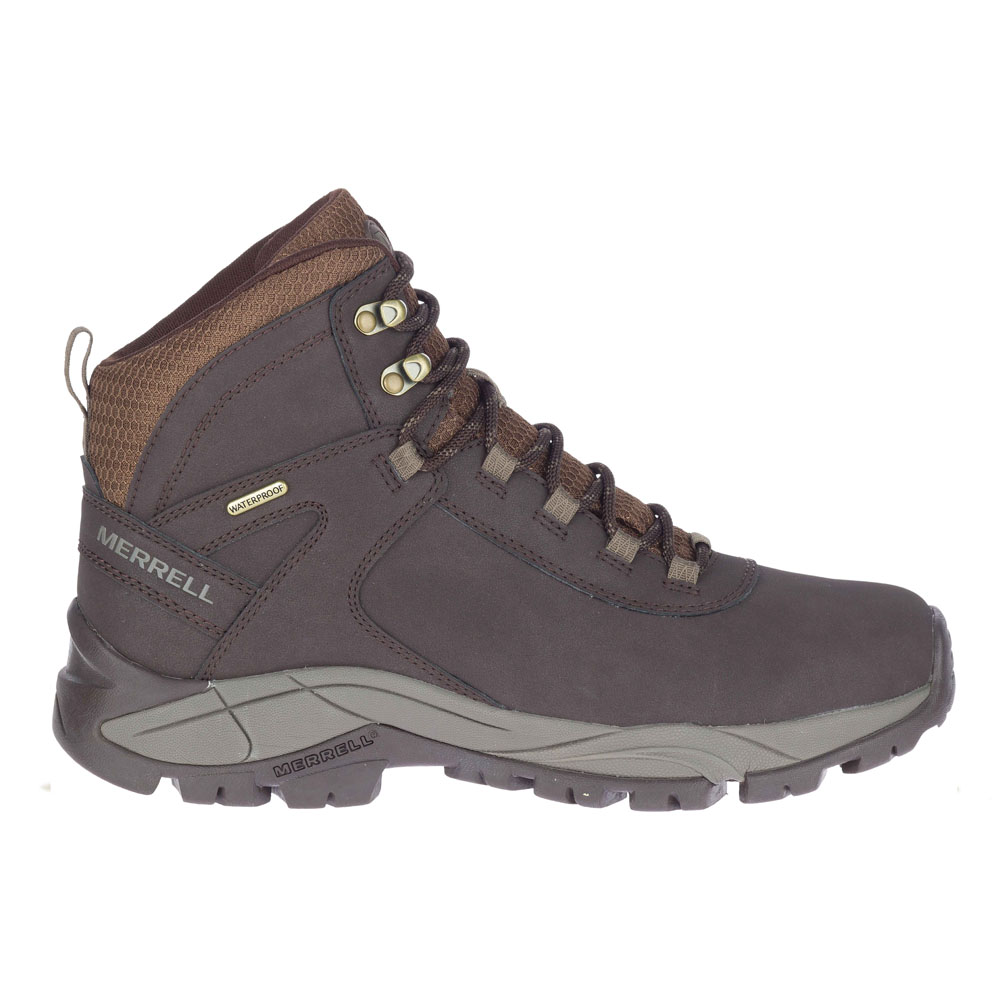
- Salomon: Known for their lightweight and comfortable boots, Salomon’s hiking shoes are great for agility and support.
- La Sportiva: This brand offers durable, high-performance boots ideal for rough, rocky terrain and the cold summit of Kilimanjaro.
- Scarpa: Scarpa boots provide excellent stability and comfort for all types of terrain, especially those that require extra support.
- Columbia: Known for great value and water-resistant boots that are durable and well-suited for all weather conditions.
- Merryl: They have Improved traction with Vibram TC5+ rubber, and an excellent all terrain water proof boot with traction lugs.
6. Final Tips for Your Kilimanjaro Boot Purchase
- Socks Matter: A good pair of moisture-wicking socks will make a significant difference in comfort and blister prevention. Choose socks made from merino wool or synthetic blends. Wearing a thin inner sock and a thicker out helps prevents blisters
- Try Them On: Always try on hiking boots at the end of the day when your feet are slightly swollen. This helps to simulate the conditions of your hike.
- Don’t Forget Insoles: Consider upgrading your insoles for better cushioning and support, especially if you’re planning a multi-day hike.
- Get a Professional Opinion: If you’re unsure about which boots to choose, head to an outdoor gear store and ask for assistance from a knowledgeable staff member. They can help you find the best boots for your needs.
Conclusion
Choosing the right pair of hiking boots for Mount Kilimanjaro is a key step toward a successful, comfortable, and enjoyable climb. With the right boots, you’ll have the confidence and support needed to tackle any challenge Kilimanjaro throws your way. Remember to prioritize waterproofing, support, fit, and traction, and you’ll be on your way to the summit with happy feet! Happy trekking!
To book your climb email us on tours@nomadicadventures.co.za
 Nomadic Adventures's Blog