Nestled in the heart of the Atlas Mountains, Jebel Toubkal stands as North Africa’s highest peak, reaching an impressive 4,167 meters (13,671 feet). Its towering presence draws adventurers from around the globe, eager to experience the stunning landscapes and rich culture that envelop this iconic mountain. Climbing Jebel Toubkal is not just a physical challenge; it’s a transformative journey that intertwines breathtaking nature with the thrill of adventure.
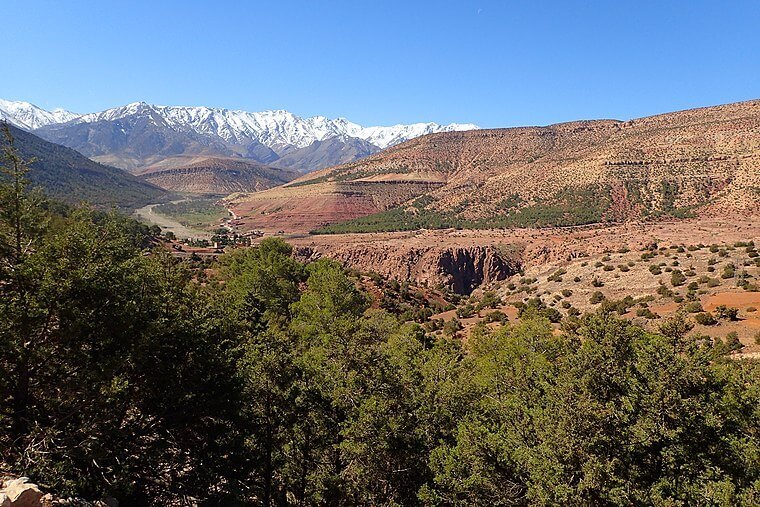
Jebel Toubkal’s appeal goes beyond its status as the tallest mountain in Morocco. The surrounding terrain is a tapestry of vibrant valleys, lush greenery, and traditional Berber villages. The mountain itself is a rugged beauty, adorned with rocky outcrops and panoramic views that stretch for miles. Each step toward the summit invites trekkers to connect with nature and embrace the serenity of the mountains.
Preparing for the Climb
While Jebel Toubkal is accessible for trekkers with moderate fitness levels, proper preparation is key. Here are some essential tips for aspiring climbers:
- Choose the Right Time: The best months to climb are typically April to June and September to October, when weather conditions are most favorable. Be mindful of religious periods like Ramadan and Eid, which can impact the availability of services and the overall pace of life in the region. During Ramadan, many locals fast from dawn until sunset, leading to a quieter atmosphere. Eid celebrations, following Ramadan, can also create festive environments, though they may affect accommodations and dining options.
- Gear Up: Invest in good hiking boots, layered clothing, a reliable backpack, and trekking poles. Crampons are essential for the ascent from the Refuge to the summit; the path is steep and very rocky, and the traction they provide is crucial for a safe climb. Additionally, consider bringing an ice axe if climbing during the colder months when snow and ice are more prevalent.
- Acclimatization: Take the time to acclimatize to the altitude. Consider spending a day or two in Imlil, the gateway village, to adjust before the ascent. It is also wise to descend back to the Refuge after summiting to avoid the long trek back to Imlil.
- Guided Tours: While some experienced trekkers may opt to go solo, hiring a local guide enhances the experience. Guides provide invaluable insights into the culture, environment, and history of the region.
- Patience is Key: In this part of the world, things rarely go exactly by the clock. Embrace the slower pace of life, whether it’s waiting for your muleteer or enjoying a leisurely meal. This relaxed rhythm allows trekkers to soak in the beauty around them and connect more deeply with the experience.
The Ascent: A Memorable Trek
The trek to Jebel Toubkal typically begins in Imlil, a charming Berber village where friendly locals and vibrant markets await.
On the first day, the trail to the Refuge is not particularly challenging from a technical standpoint. It features a clear, well-marked path that is far from remote. Along the way, trekkers encounter several huts dotting the trail, each offering drinks, snacks, and souvenirs. It’s amusing to think about who buys the souvenirs in such a rugged setting, but these stops provide a nice opportunity to rest and recharge.
A couple of hours into the hike, trekkers will reach the Shrine of Sidi Chamharouch, a small but lively area where locals gather. Guides often explain that this is not a residential village; instead, it serves as a place for workers and visitors alike. A charming cold creek runs through the area, providing a refreshing stop to cool off. While many choose to enjoy lunch here, arriving early allows for a simple tea stop before continuing the journey toward the Refuge.

In Morocco, hospitality is a cornerstone of the culture, and locals are very generous with their mint tea. Whenever someone arrives somewhere—be it a hut along the trail or a guesthouse—mint tea is served immediately, welcoming all with its fragrant warmth.
As climbers prepare for their summit ascent, they turn on their headlamps and begin to climb. Looking up the mountain, the lights of other hikers who have set out before create a shimmering pathway illuminating the route. The stars still dot the sky, providing a celestial backdrop, but not quite enough light for a safe ascent without headlamps. The only sounds are the crunch and squeak of snow and ice beneath crampons and hiking poles, which are essential for the challenging ascent.
As climbers near the peak, the wind begins to pick up, and the temperature drops significantly, but they are well-prepared, bundled in layers. The thin air at this altitude becomes increasingly noticeable, and the pace feels like a slow crawl. Pushing faster would only lead to gasping for breath, a reminder of the mountain’s formidable nature.
Who doesn’t enjoy the view from the top of a mountain? While Toubkal may not be the highest peak in Africa, at 4,167 meters, it proudly claims the title of North Africa’s tallest summit. Standing at the top, the breathtaking panorama of the Atlas Mountains and the sprawling plains below makes every ounce of effort worthwhile.
Refuges and Accommodation
When it comes to accommodation, trekkers typically stay at the Toubkal Refuge, located at an altitude of about 3,200 meters (10,500 feet). This mountain hut offers a cozy base for climbers and provides essential amenities, including dormitory-style rooms, communal dining areas, and shared bathrooms. Staying here not only helps with acclimatization but also fosters camaraderie among trekkers.
For those looking for a more comfortable experience, several guesthouses and lodges in Imlil offer warm hospitality, hearty meals, and stunning views. Many climbers choose to spend their first night in Imlil to rest and prepare before tackling the ascent.

Weather and Terrain Near the Summit
As climbers approach the summit of Jebel Toubkal, the weather can change rapidly. It’s essential to be prepared for a range of conditions, from warm sunshine in the valleys to colder, windier conditions near the peak. Early mornings can be particularly chilly, so layering is crucial. Generally, temperatures can drop significantly as altitude increases, especially outside the prime climbing months.
The terrain near the summit can be steep and very rocky, requiring careful navigation. The final stretch features a mix of scree and boulders, which can be challenging underfoot. Despite these difficulties, the views become increasingly breathtaking, with each step revealing expansive panoramas of the Atlas Mountains and beyond.
Reaching the Summit
The final push to the summit is a test of endurance and determination. As climbers near the top, the air thins and the path becomes steeper, but the sense of accomplishment is palpable. Reaching the summit of Jebel Toubkal is not just about the view; it’s a moment of triumph, a testament to perseverance.
Standing atop Jebel Toubkal, climbers are greeted by a breathtaking panorama of the Atlas Mountains and the sprawling plains below. It’s a moment that invites reflection and gratitude—an experience that’s both exhilarating and humbling.
The Descent and Reflection
The descent back to Imlil proves tougher than anticipated. The trail, steep and rocky, demands attention and focus. Every step requires caution as trekkers navigate the challenging terrain. However, the thought of a warm shower and the comforting ritual of mint tea keeps everyone motivated.
Once back in Imlil, climbers feel a wave of relief and happiness wash over them, grateful for the experience shared and the memories created in the heart of the Atlas.
Embracing the Culture
The journey doesn’t end at the summit. After the climb, it’s time to immerse in the local culture. Exploring the vibrant markets of Imlil, savoring traditional Moroccan dishes, and engaging with the friendly Berber community enhances the experience, offering insights into a way of life deeply connected to the mountains.
Conclusion: A Journey Worth Taking
Climbing Jebel Toubkal is more than just a hike; it’s a celebration of nature, culture, and personal achievement. Whether an experienced climber or a novice trekker, this adventure promises memories that will last a lifetime. So lace up boots, breathe in the fresh mountain air, and embrace the unexpected journey to the roof of North Africa!
Book your Mt Toubkal climb now on tours@nomadicadventures.co.za
By Debra Bouwer
 Nomadic Adventures's Blog