If you’ve ever been charmed by the soft, curious eyes of an alpaca, you’re not alone. These delightful creatures, native to the Andean regions of South America, have captured the hearts of many. But did you know that alpacas have fascinating relatives that are equally intriguing? Join us on a journey to discover the world of alpacas and their camelid cousins, the vicuñas, guanacos, and llamas.
If you’ve ever been charmed by the soft, curious eyes of an alpaca, you’re not alone. These delightful creatures, native to the Andean regions of South America, have captured the hearts of many. But did you know that alpacas have fascinating relatives that are equally intriguing? Join us on a journey to discover the world of alpacas and their camelid cousins, the vicuñas, guanacos, and llamas.
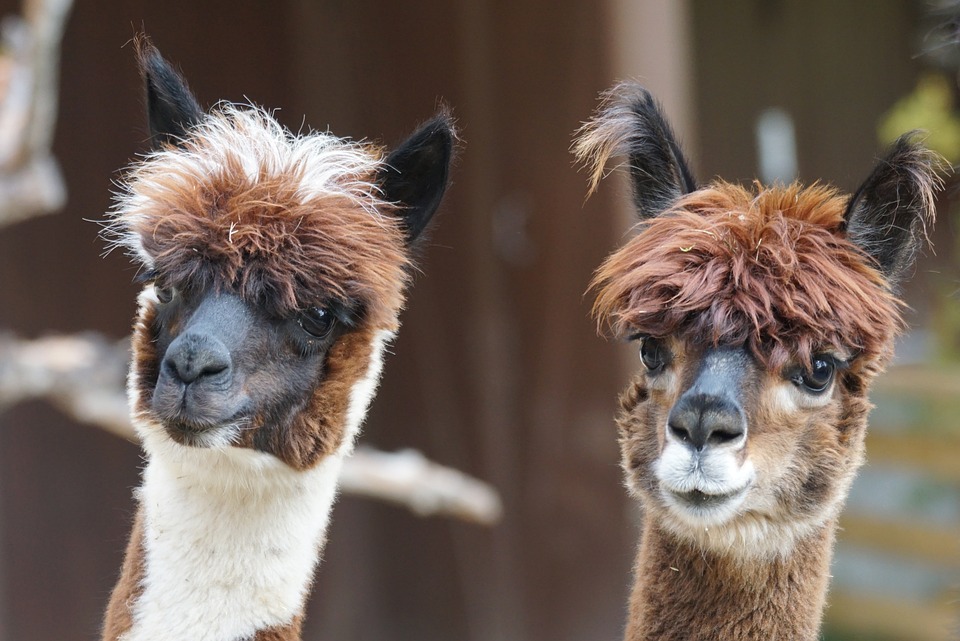
The Alpaca: Soft and Social
Alpacas are domesticated animals known for their luxurious fleece, which comes in a variety of natural colors ranging from white and beige to rich browns and black. There are two main breeds of alpacas: the Huacaya, with its fluffy, crimped fleece, and the Suri, which boasts long, silky locks.
Alpacas are social animals, living in herds that provide warmth and companionship. They communicate through a series of gentle humming sounds and are known for their gentle and curious nature, making them a favorite among visitors to Andean farms.
Vicuñas: The Wild and Precious
Vicuñas are the wild ancestors of alpacas and are known for their incredibly fine wool, considered the finest and most expensive in the world. These elegant animals are smaller and more delicate than alpacas, with a slender build and a coat that ranges from light brown to a golden hue.
Vicuñas live at high altitudes, often above 11,000 feet, where they graze on the sparse vegetation of the Andean plateaus. They were once endangered due to hunting for their prized wool, but conservation efforts have helped their populations recover. Seeing a vicuña in the wild is a true testament to nature’s resilience.
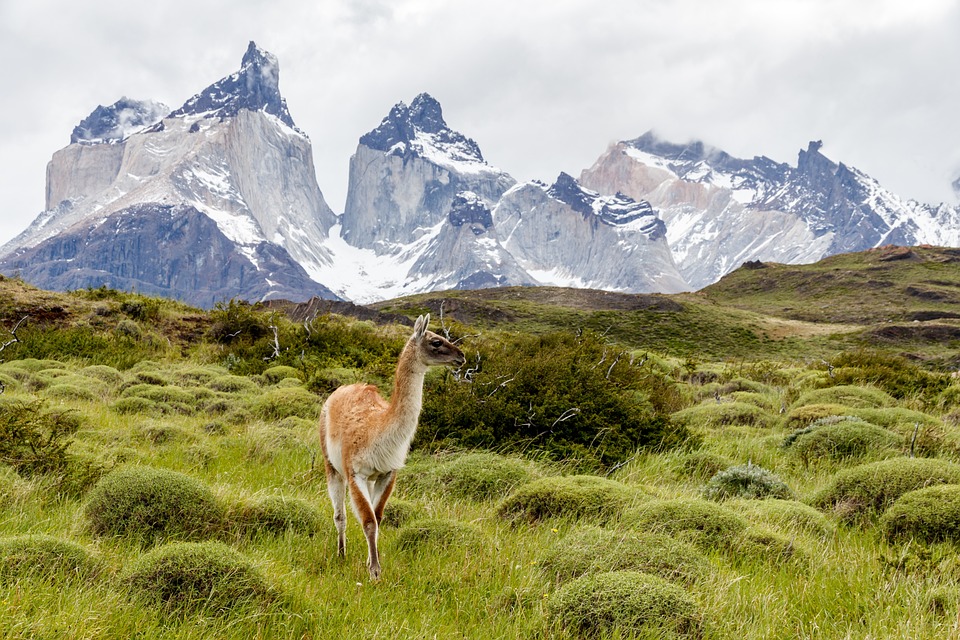
Guanacos: The Rugged Nomads
Guanacos are the larger, wild relatives of alpacas and llamas, easily identifiable by their sturdy build and reddish-brown coats. They are highly adaptable and can be found from the high Andes to the lowland regions of Patagonia.
Known for their agility and speed, guanacos are often seen in herds, led by a dominant male. They have a remarkable ability to survive in harsh environments, making them a symbol of endurance and adaptability. The sight of a guanaco sprinting across the open plains is a captivating reminder of the rugged beauty of the Andes.
Llamas: The Sturdy Companions
Llamas are perhaps the most well-known of the Andean camelids. Larger than alpacas, llamas have been used as pack animals for centuries, carrying loads across the steep and treacherous mountain trails. Their wool is coarser than that of alpacas, but it is still used to make durable textiles.
Llamas are known for their strong, independent personalities. They can be quite social and are often used as guard animals for livestock. Their role in Andean culture is significant, and they are celebrated in festivals and traditional ceremonies.
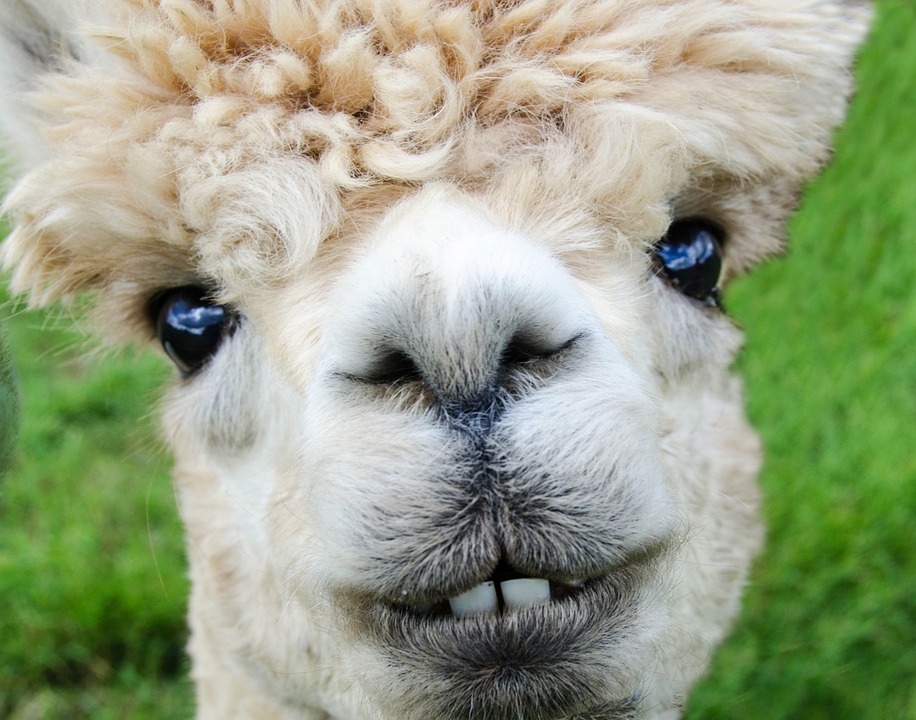
Discovering the Andean Camelids
Exploring the world of alpacas and their relatives is a journey into the heart of the Andes, where these animals have been an integral part of life for thousands of years. Whether you’re visiting an alpaca farm, trekking through the highlands, or simply admiring these creatures from afar, you’ll gain a deeper appreciation for the incredible diversity and resilience of Andean wildlife.
These camelids are not just animals; they are symbols of the rich cultural heritage and natural beauty of the Andes. So, pack your bags, put on your hiking boots, and get ready to embark on an unforgettable adventure into the enchanting world of alpacas and their relatives. The Andean highlands await, filled with the promise of discovery and the gentle hum of alpacas guiding your way.

