If you have been doing any high-altitude trekking in the Himalayas then you will be familiar with the sound of that ghastly hacking cough that you and many of your trek mates may develop. It is commonly known as the “Khumbu Cough,” named after the Khumbu valley that leads to base camp, although it is found throughout the Himalaya.
Most people who spend extended periods of time in this high altitude region will develop some degree of the cough.
The actual cause of the cough is somewhat of a mystery, but most researchers believe that it is caused by a mix of the cold dry air, freezing temperatures and low humidity in the atmosphere. Combined with physical exertion and faster breathing, trekkers are constantly breathing in cold dry air which dries out the bronchi and lining of the lungs. Adding a blocked nose to the mix means that trekkers are directly breathing in colder air through the mouth.
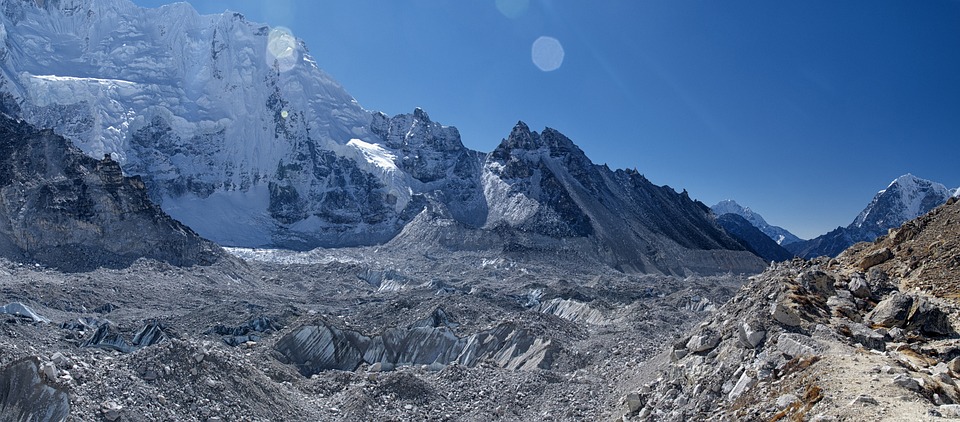
There are a few things that can be done to help alleviate or try to delay the onset of the infamous cough.
The first thing of course which goes without saying is to keep hydrated, and drinking warm water and breathing in the steam can help.
The second important aspect is to wear a mask during the day which covers your mouth to prevent you drawing in purely cold dry air. There are also some face masks that have been developed to keep warm air in, mainly for skiing but they can easily double up for trekking.
Finally, wearing a balaclava at night helps, as does keeping your throat area warm, along with wearing a lightweight buff over your mouth at night when you sleep.
Some external links: http://www.high-altitude-medicine.com/HAB.html
 Nomadic Adventures's Blog