Climbing Mount Kilimanjaro, Africa’s tallest peak, is an experience that promises breathtaking views, exhilarating challenges, and a deep sense of achievement. But for many, the thought of summiting this mighty mountain can seem daunting—often due to misconceptions that hold people back from embarking on their dream adventure. It’s time to set the record straight and shed light on the realities of climbing Kilimanjaro.
1. “Kilimanjaro is too difficult for anyone but experts.”
One of the most common myths is that only seasoned mountaineers can tackle Kilimanjaro. In reality, Kilimanjaro doesn’t require technical climbing skills—no ice axes, ropes, or advanced mountaineering expertise are needed. The trek is a challenging hike, not a climb. The routes are non-technical, meaning that if you are physically fit and mentally prepared, you can summit. While the altitude is demanding, the mountain is designed to accommodate trekkers of all abilities, with routes offering various levels of difficulty.
2. “You need technical expertise to climb Kilimanjaro.”
Another widespread misconception is that climbing Kilimanjaro requires technical climbing skills, such as using ropes, harnesses, or ice axes. The truth is, Kilimanjaro is a non-technical trek that does not require any specialized mountaineering knowledge. You’ll need a good pair of boots and trekking poles, but the only “skills” you need are patience, determination, fitness and the ability to hike at a steady pace. Kilimanjaro’s routes are designed for trekkers, not climbers, so as long as you follow your guide’s instructions and focus on acclimatising to the altitude, you can reach the summit without any technical expertise.
3. “You need to be super fit to climb Kilimanjaro.”
While physical fitness is important, you don’t need to be an athlete to climb Kilimanjaro. Sure, the ascent is challenging, especially as you approach the summit, but the key to success is gradual acclimatization and proper preparation. If you can handle long, multi-day steady hikes at a moderate pace, you’re well on your way. Training beforehand with cardiovascular exercises and hikes with a loaded backpack can certainly help, but most climbers are surprised by how achievable the trek is with the right mindset and a steady pace.
4. “You’ll need a year preparing for the trek.”
Another misconception is that you need a year of intense preparation to tackle Kilimanjaro. While it’s true that preparation is important, especially in terms of fitness and gear, you don’t need to devote an entire year to training. Many climbers successfully summit with just a few months of good preparation. A good fitness regimen focused on cardiovascular health, endurance, and strength will set you up for success—just be sure to allow for time to get accustomed to altitude during the trek itself.
5. “The summit is too cold for anyone to enjoy.”
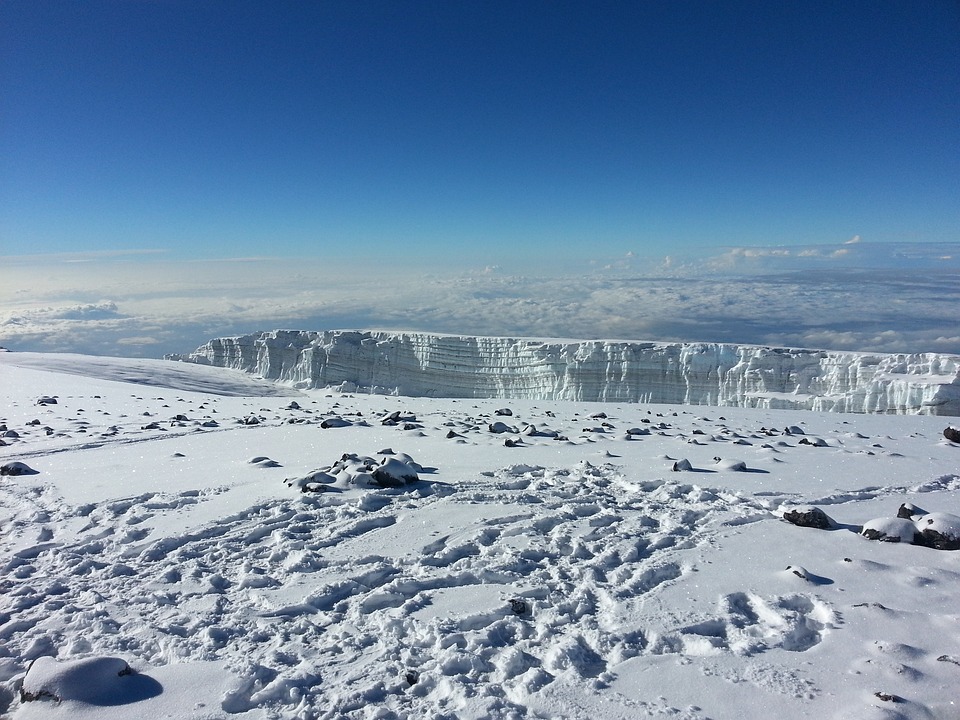
Yes, the summit of Kilimanjaro can be freezing, but with the right gear, you’ll stay warm and comfortable. As you near the peak, temperatures can drop below -20°C (-4°F), especially if there are strong winds and snow. However, the key is layering your clothing appropriately and wearing high-quality gear that will protect you from the cold. A good jacket, gloves, thermal layers, and insulated boots are essential. Don’t let the fear of cold temperatures scare you—many climbers report feeling surprisingly comfortable at the summit when properly dressed. And the reward of standing atop the “Roof of Africa” in the early morning sunlight is more than worth it!
6. “You have to be young to summit Kilimanjaro.”
Kilimanjaro is often seen as a “young person’s mountain,” but the truth is, climbers of all ages—some in their 70s or even 80s—have successfully reached the summit. Age is less of a factor than you might think; it’s all about maintaining the right mindset, preparing physically, and listening to your body throughout the trek. That’s why Kilimanjaro is so accessible—it offers a sense of adventure for everyone, regardless of age. Whether you’re young and fit or older and wise, the mountain welcomes all who are ready to take it on!
7. “You only need to worry about the physical challenge, not the altitude.”
The biggest misconception many climbers face is underestimating the impact of altitude. Kilimanjaro’s summit sits at 5,895 meters (19,341 feet). Even fit individuals can experience significant effects from high altitude. It’s important to take acclimatisation seriously. But here’s the thing: Some routes (like the Lemosho and Machame) include built-in acclimatisation days, which help your body adapt gradually to the thinning air. Trek slowly. Stay hydrated. Listen to your guides. These simple steps can help minimize the risk of altitude sickness. They ensure a safer, more enjoyable climb.
8. “There are mosquitoes on Kilimanjaro.”
One common myth that causes unnecessary concern is the idea that Kilimanjaro is swarming with mosquitoes. Mosquitoes are found in lower altitudes. However, they are not an issue on the higher reaches of the mountain. This is particularly true as you ascend past the rainforest zone. Most of the trek takes place above the mosquito-prone areas. With the right precautions, such as wearing long sleeves and using insect repellent in lower regions, you won’t need to worry about these pests at all during your climb. In fact, many climbers are pleasantly surprised by how bug-free the higher altitudes are.
9. “The climb is all about the summit.”
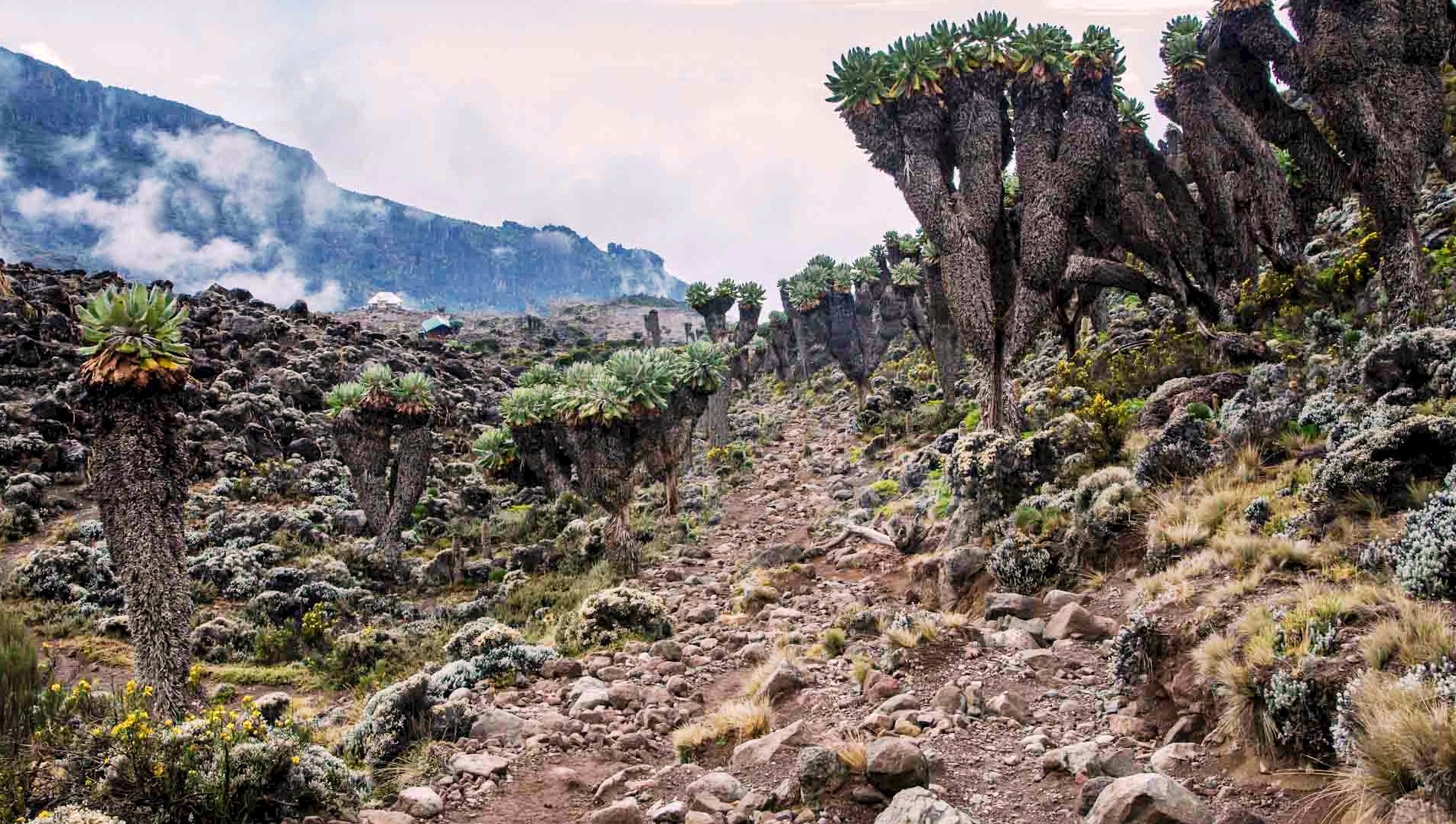
The summit is undoubtedly the ultimate reward, but there’s so much more to climbing Kilimanjaro than just reaching the top. The experience itself—passing through lush rainforests, traversing barren alpine deserts, and finally reaching the snowy summit—is as transformative as the achievement of standing at 5,895 meters. Many trekkers find the journey itself is what truly takes their breath away. It’s not just about the summit; it’s about the adventure, the camaraderie, and the joy of embracing each step along the way.

10. “You can’t do it without a guide.”
While it’s true that Kilimanjaro requires a guide and support team, it’s not because the mountain is too dangerous to climb on your own. The park’s regulations require all climbers to use a licensed guide for safety reasons and to protect the environment. But don’t let this scare you—it’s actually a huge benefit! Guides are experts who help you navigate the terrain, ensure proper acclimatization, and make the trek safer and more enjoyable. They know the mountain like the back of their hand and will help you every step of the way.
11. “The trek is too long to fit into a vacation.”
Think Kilimanjaro takes too much time away from your vacation? Think again. With a range of trek durations (6, 7, and 8-day routes), you can choose an itinerary that fits within your schedule. In fact you can even do single day treks on Kilimanjaro or just a few days without reaching the summit.
Whether you’re looking for a quick adventure or a more relaxed trek with extra time for acclimatization, there’s a route that fits your timeframe. And remember, the effort you put into planning and preparing will make your Kilimanjaro trek the highlight of your travels.
Final Thoughts:
Climbing Kilimanjaro is an adventure of a lifetime. Whether you’re hoping to conquer a challenge, experience the world’s highest freestanding mountain, or simply reconnect with nature, the reality of trekking Kilimanjaro is far more achievable and rewarding than many people realize. It’s not about age, fitness, or technical skill—it’s about mindset, preparation, and the willingness to embrace the journey. So, leave the misconceptions behind, pack your bags, and get ready to take on this extraordinary adventure—you’re closer than you think!
Feel inspired? Ready to start your own Kilimanjaro adventure? Let’s make it happen! Contact us today to learn more about trekking options and prepare for the experience of a lifetime.
 Nomadic Adventures's Blog