Nestled high in the Andes Mountains of Peru lies Machu Picchu, an ancient Incan city shrouded in mystery and wonder. Among its many enigmatic features, stands out one particular feature, as a testament to survival and the advanced astronomical knowledge of the Inca civilization – the Intihuatana.
Nestled high in the Andes Mountains of Peru lies Machu Picchu, an ancient Incan city shrouded in mystery and wonder. Among its many enigmatic features, one stands out as a testament to the advanced astronomical knowledge of the Incan civilization – the Intihuatana.

The Intihuatana, often referred to as the “Hitching Post of the Sun,” is a meticulously carved stone pillar that served as an astronomical observatory, a ceremonial center, and a powerful symbol of the Incan connection to the cosmos. In this blog post, we’ll delve into the fascinating history, significance, and enduring legacy of the Intihuatana.
The Intihuatana is believed to have been constructed during the height of the Incan Empire, which flourished from the early 15th century until the Spanish conquest in the 16th century. This remarkable stone pillar was crafted from a single massive block of granite, skillfully carved to form a platform with a protruding vertical pillar.
The precise methods used by the Inca to carve and shape such massive stones remain a subject of intrigue and debate among archaeologists. With their advanced understanding of stonework, the Inca achieved a level of precision that allowed them to construct impressive structures like Machu Picchu without the use of mortar.
The Intihuatana served as a sophisticated astronomical tool, aligning with the cardinal points and various celestial events. Its primary purpose was to function as a sundial, enabling the Inca priests to accurately determine the solstices and equinoxes. These celestial events played a crucial role in the Inca calendar, which was intimately linked to agricultural practices.
During the equinoxes on March 21st and September 21st, the sun casts a shadow that aligns perfectly with the carved grooves on the Intihuatana. This alignment symbolizes the union between the physical and spiritual realms, emphasizing the Incan belief in the cyclical nature of time.
William Prescott, a prominent American historian, aptly noted that when the sun shines on the Intihuatana, casting no shadows, it was as if the “god sat with all his light upon the column.” This observation speaks to the profound reverence the Inca had for the Intihuatana as a conduit between the earthly and the divine.

Beyond its practical astronomical functions, the Intihuatana held profound spiritual significance for the Inca. It was believed to be a sacred portal that connected the earthly realm with the divine. The ritualistic ceremonies performed at the Intihuatana were likely dedicated to honoring Inti, the Incan sun god, and seeking his blessings for bountiful harvests and prosperity.
Sadly, with the Spanish conquest and the suppression of indigenous cultures and religions, much of the spiritual significance of the Intihuatana was lost. Many of these ancient practices and beliefs were deliberately eradicated, leaving behind a fascinating archaeological puzzle for modern researchers.
In recent years, there has been a growing recognition of the need to protect and preserve cultural heritage sites like Machu Picchu and the Intihuatana. Conservationists and archaeologists work tirelessly to ensure that future generations can continue to marvel at these extraordinary feats of ancient engineering and astronomical knowledge.
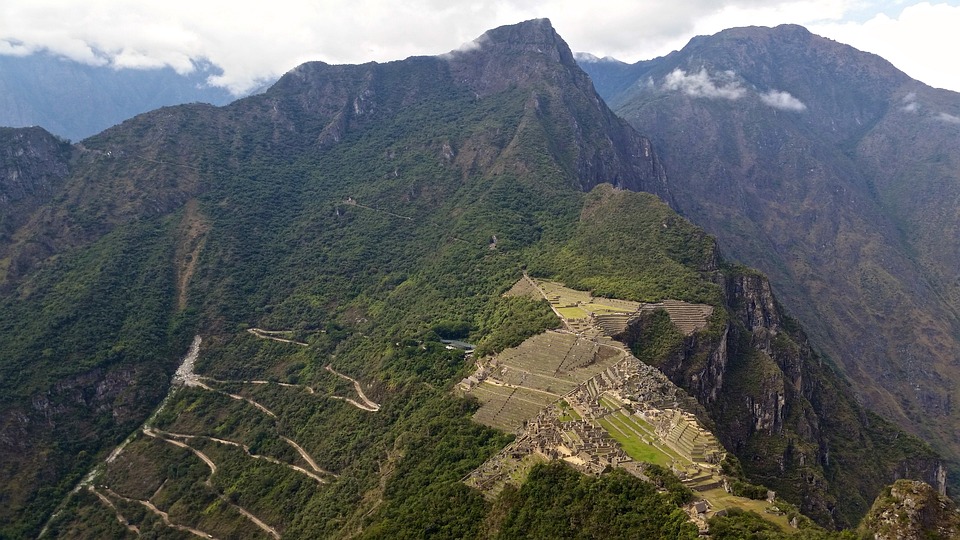
Today, Machu Picchu is a UNESCO World Heritage Site and a popular destination for travelers from around the world. The Intihuatana, although no longer used for its original purpose, continues to inspire awe and curiosity among visitors.
The Intihuatana stands as a testament to the ingenuity and astronomical prowess of the Incan civilization. Its intricate carvings and precise alignments offer a window into a time when ancient cultures were intimately connected to the natural world and the cosmos.
As we continue to study and preserve sites like Machu Picchu and the Intihuatana, we gain a deeper appreciation for the rich tapestry of human history and the enduring legacy of those who came before us. The Intihuatana, with its mystical aura and enigmatic purpose, invites us to contemplate the profound wisdom of ancient civilizations and their deep reverence for the natural world. The equinox alignments further emphasize the Inca’s profound understanding of the celestial cycles that governed their lives. William Prescott’s insight serves as a poignant reminder of the awe-inspiring connection between humanity and the cosmos that the Intihuatana embodies.
by Debra Bouwer
 Nomadic Adventures's Blog