It is not often that you get a chance to visit a place called the ‘Abode of God.’ The mere name conjures up a myriad of different images but in my mind, it made me think of a sun kissed land, touched with wispy cloud and soft breezes that caressed all kind of creatures. I was not far wrong. One of the most incredible natural botanical gardens in India, the “abode” is none other than the ‘valley of flowers.’
I recall telling people where I was headed and coming from South Africa, everyone’s first thought was that I had to be talking about the famous Namaqualand Daisies on the west coast of Africa. Imagine the look on their faces when they heard I was heading to a remote valley high up in the Himalayas of India.
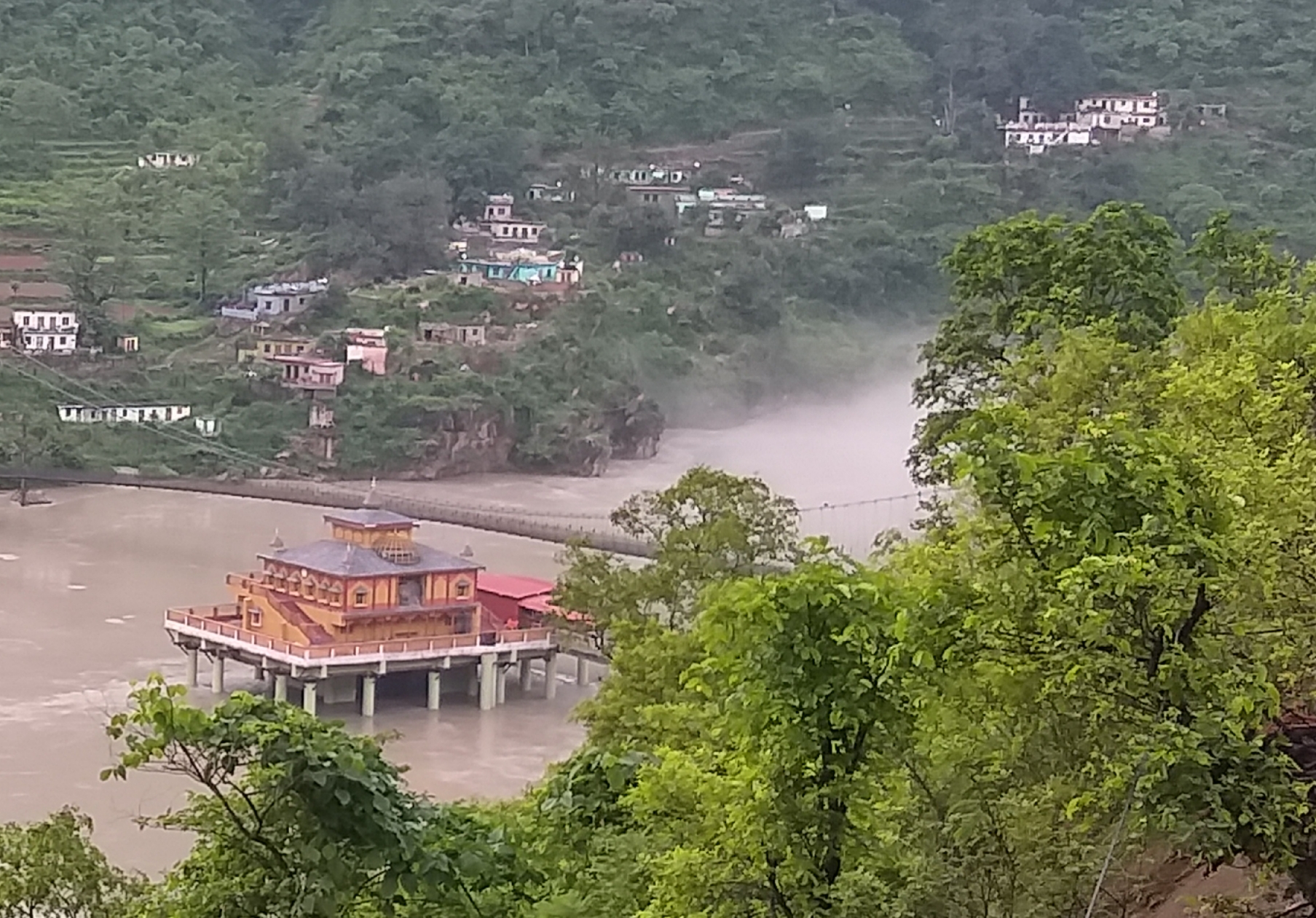
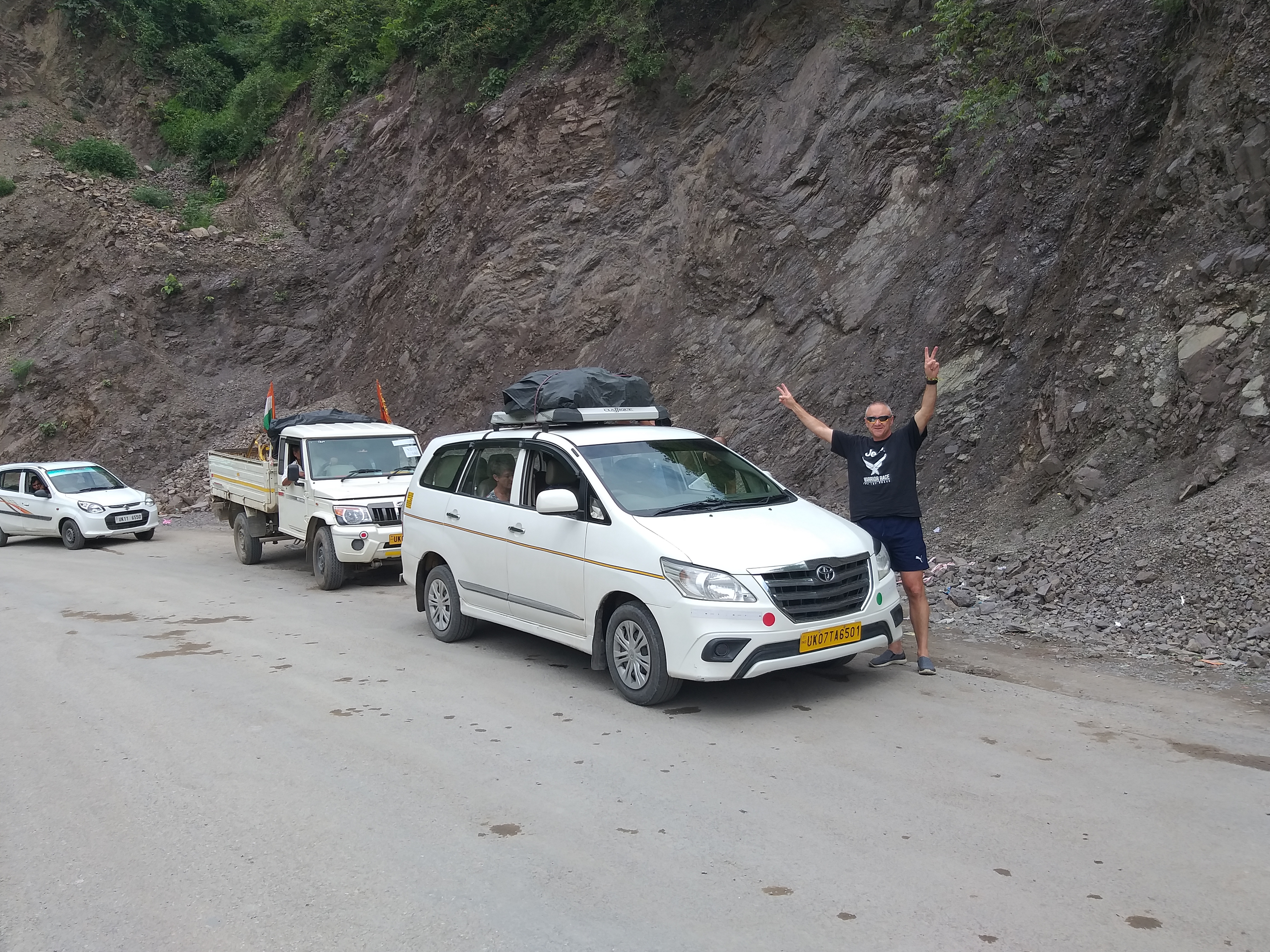
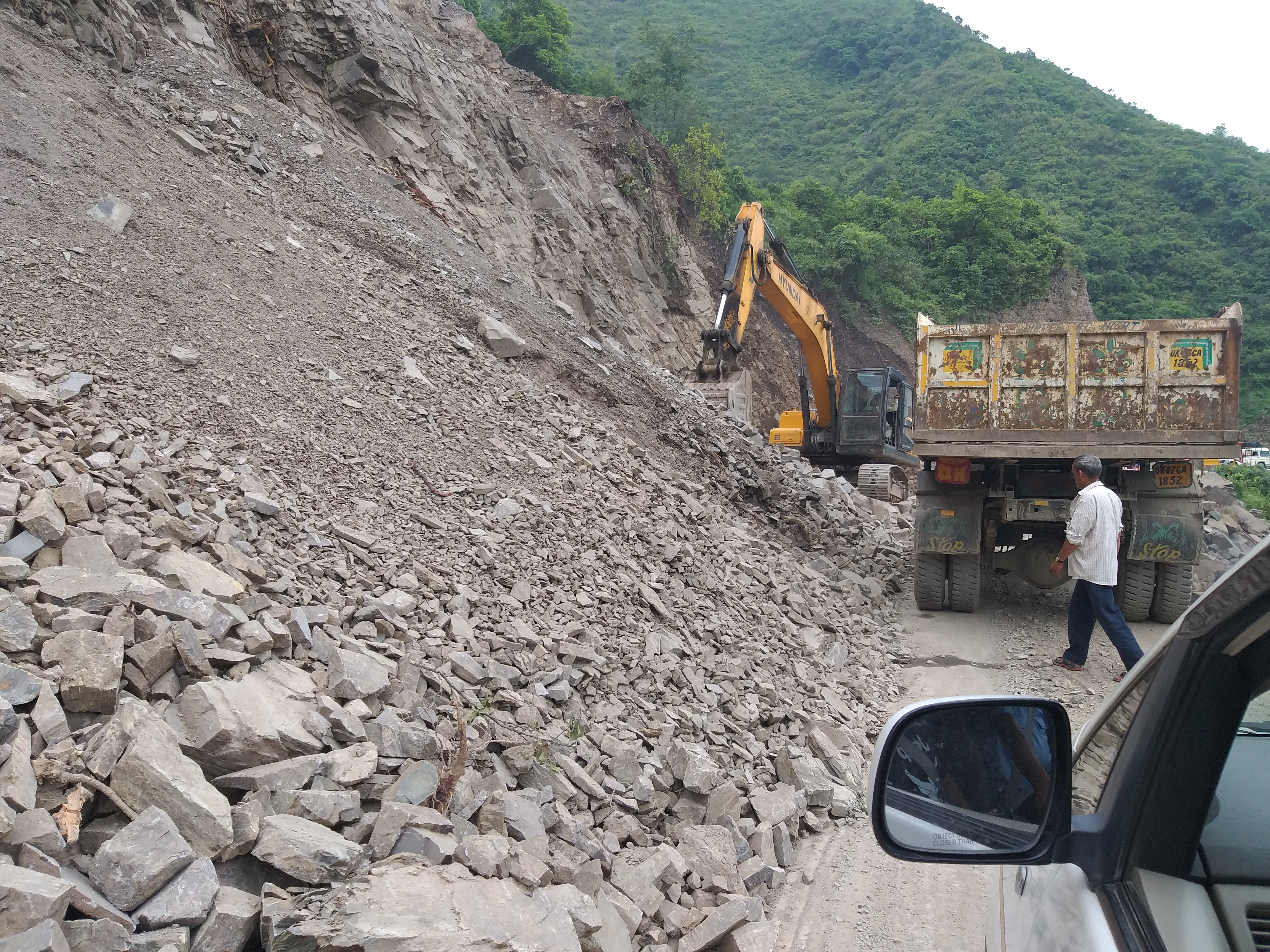
One could argue that the trip only starts at Govindghat, but this would give you only half of the picture, as part of the joy of the entire tour is the journey from Haridwar. For us it began even early with a train trip from Delhi. As the hours ticked by marked by the clacking of the train on dusty tracks, the countryside became less populated, fewer children raced along the track waving frenetically, the landscape became more undulating and the litter and dust, far less. At the end of the train ride, is a place called Haridwar, where the river Ganges exits the Himalayan foothills. Because of the religious significance of the river, Haridwar holds a nightly Ganga Aarti, (river-worshipping ceremony) in which tiny flickering lamps are floated off the steps of the river. From here, it is a long 2-day drive on exceptionally winding roads through Rishikesh, Srinagar, Rudra Prayag and Joshimath to Govindghat, where the actual trek begins. Apart from the endless road works the trip was eventless, aside from the incessant honking of horns and exchange of waving arms from passing drivers.
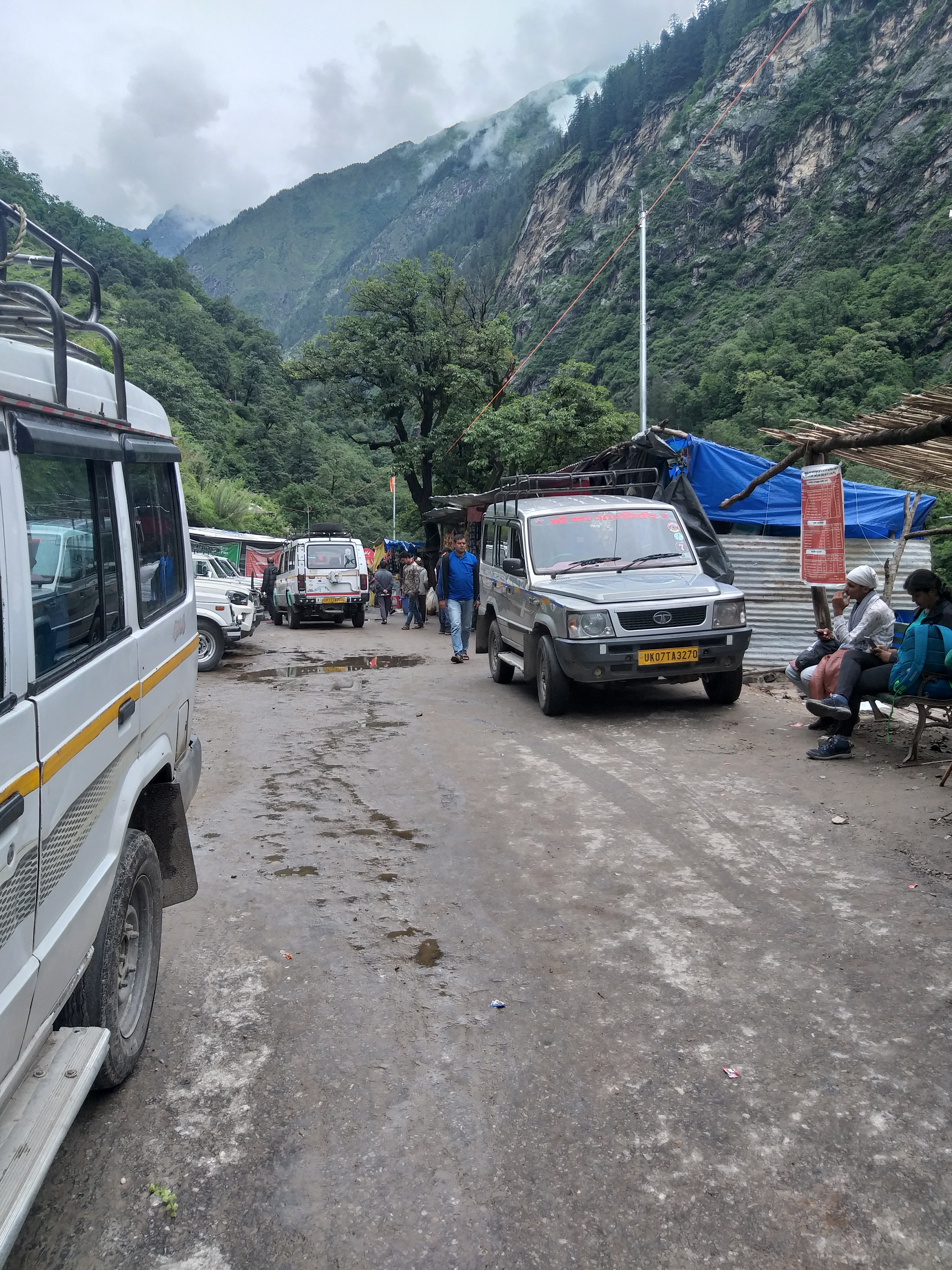
Compared to the bustling towns along the route, Govindghat was surprisingly quiet with the odd shop selling hiking apparel, food, and a few places for lodging. We arrived early morning and stepped out of the van into a chilly crisp morning. There was little activity around the town, no pilgrims and hardly any hikers. This held true, until we had crossed the bridge over the river and ascended a dusty road to the starting point. Cars were packed in like sardines, mules were being fed and watered and small spaza shops buzzed with excitable chatter. This was the start of the trek.
Before long, we found ourselves immersed in a forest woodland on an endless stone path that seemed to reach deep into the valley. Constant streams of pilgrims passed us on their way down, adorned in colourful regalia chanting prayers as they went. You see, the Valley of Flowers is also home to the temple of Hemkund, one of the highest Sikh Gurudwaras in the world. Apart from the pilgrims on their descent, we were also surprised to see several hikers on the backs of mules and soon discovered that this is considered the “easy” way to get to the village, though we would doubt that the mules and horses felt the same way.
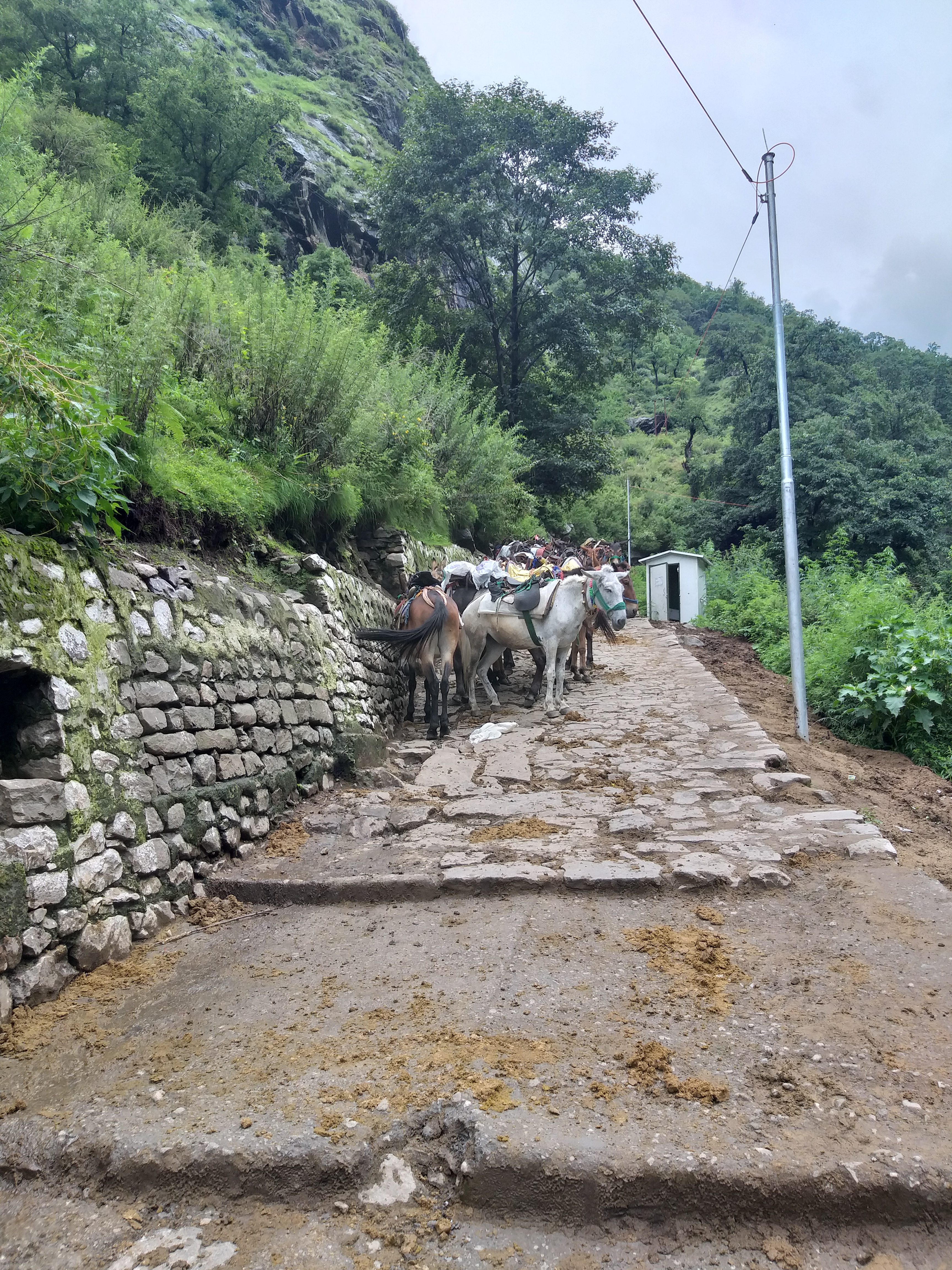

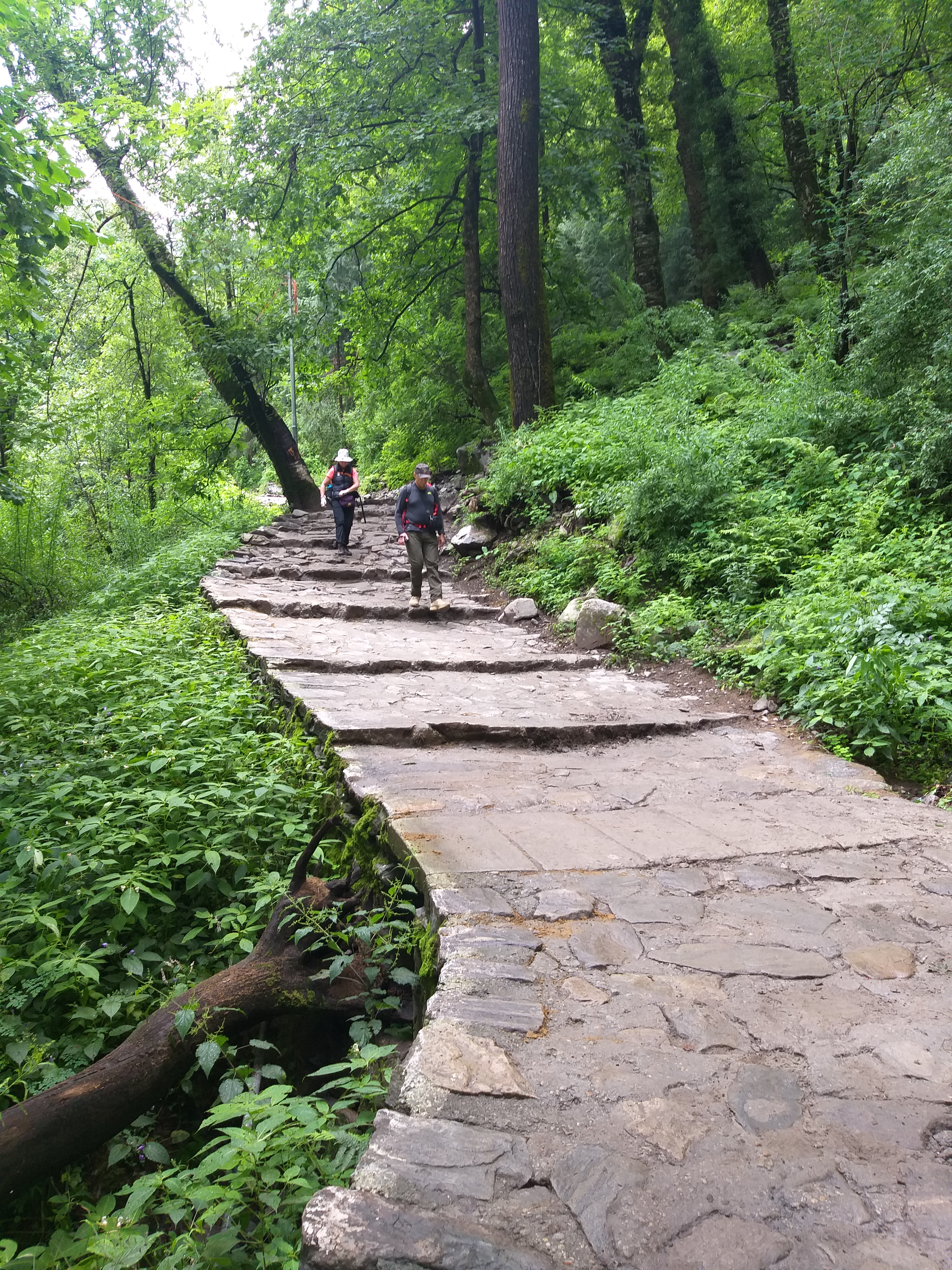
The stopping point for the night is the bustling village of Ghangria, which emerges from the top of the forest after a lengthy 13km trek, and an altitude gain of 1220m.
A few metres above Ghangria, the path splits, one heading left to the “valley” and the other, right, up to the temple of Hemkund.
But first, the flowers. There are conflicting stories about how the valley was discovered. According to Hindu legend, it was discovered when the 5 brothers known as the ‘Pandavas’ where on their way to find spiritual enlightenment, when their consort, Draupadi became fascinated with a flower that she found in a stream. The one brother, Bhima, then following the stream to its source and in so doing discovered the valley of flowers. Others claim that the valley was discovered by chance in 1937, when Eric Shipton, Holdswoth and botanist Francis Smythe lost their way after climbing Mount Kamet and stumbled across the valley. Later, in 1938, Smythe went on to write a book called “The Valley of Flowers” in which he says that this valley is ‘a pleasurable escape’ for any nature lover.
In 1982, the area was declared a National Park of India and in 1988, as a UNESCO heritage site.
There are few words that describe the hike up to the valley and even fewer, the valley itself. After climbing around 3km and gaining almost 400m in altitude, the narrow 2km wide valley stretches out before you for about 15km, toward glimmering hanging glaciers on Mt Ghoradhungim which blocks the valley on one end. Between you and the end of the valley stretches a never-ending stone pathway which meanders gently through a fairy land of colourful groves of plants, abuzz with butterflies and fat legged engorged black and white bees.
We went in August when the valley was awash with a kaleidoscope of pink, purple plants, and yellow flowers from balsam to rhododendron, wild rhubarb or Cordilla’s. Considering that the valley is home to around 289 species of plants, the list is endless.
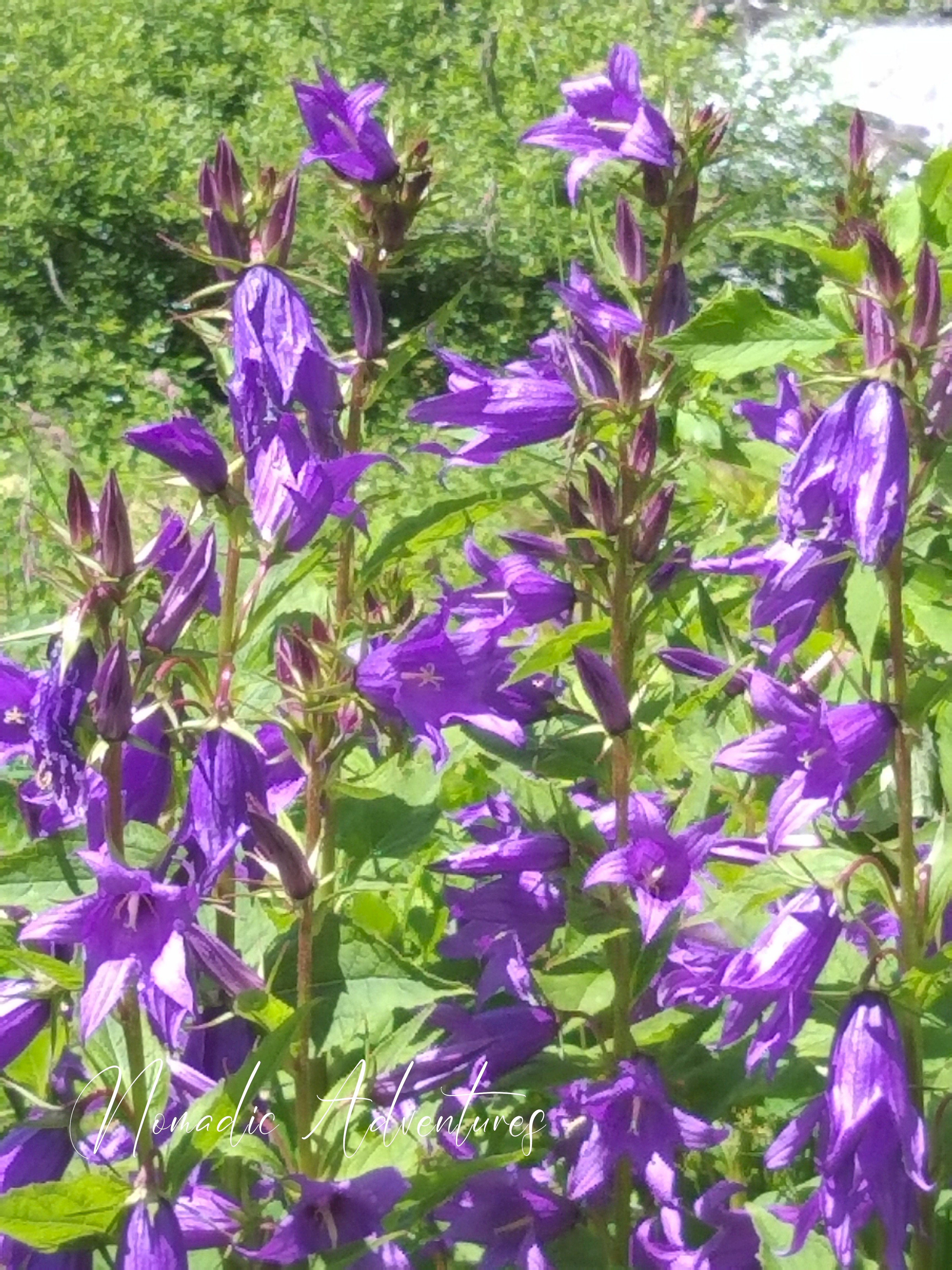
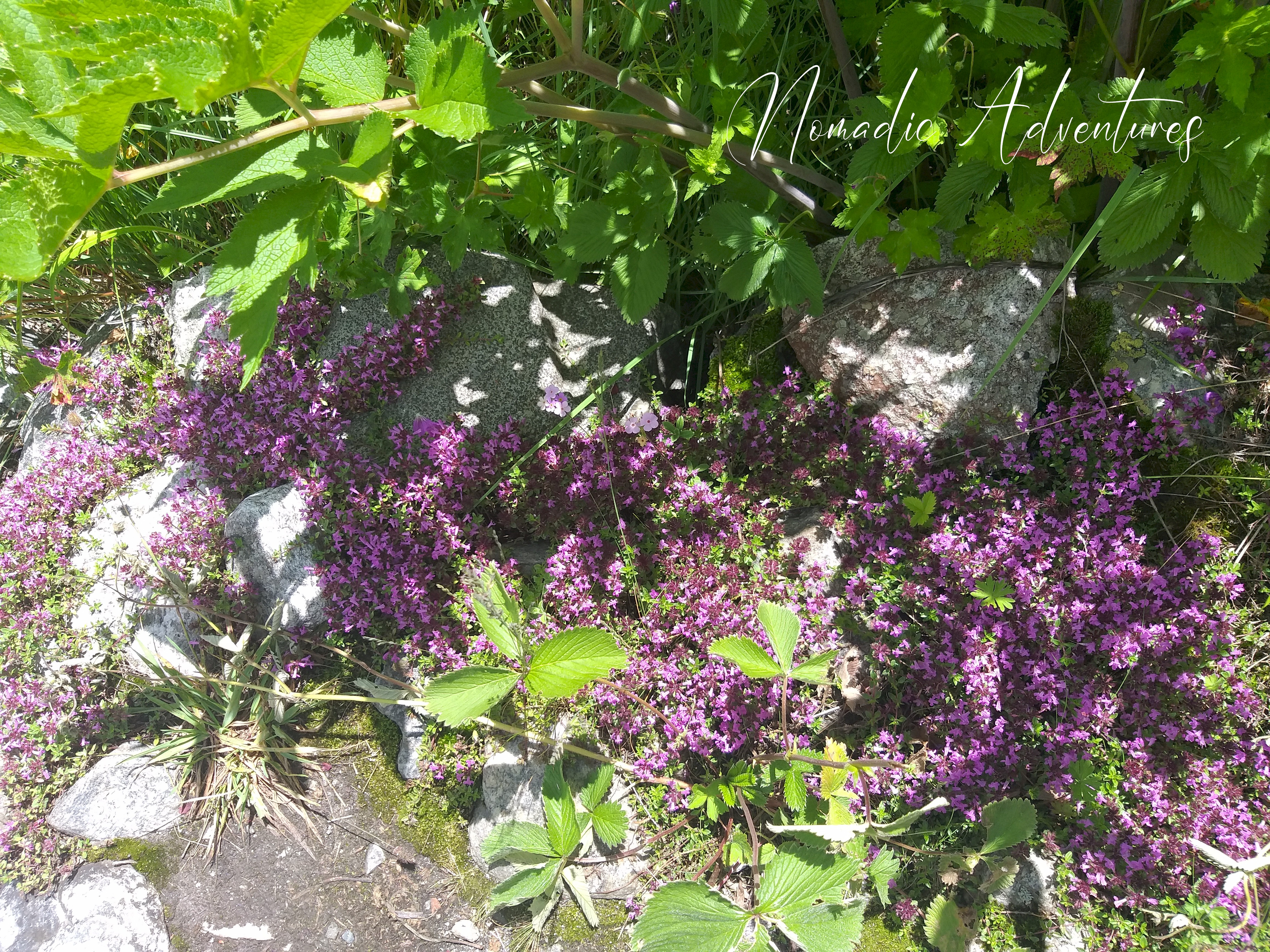
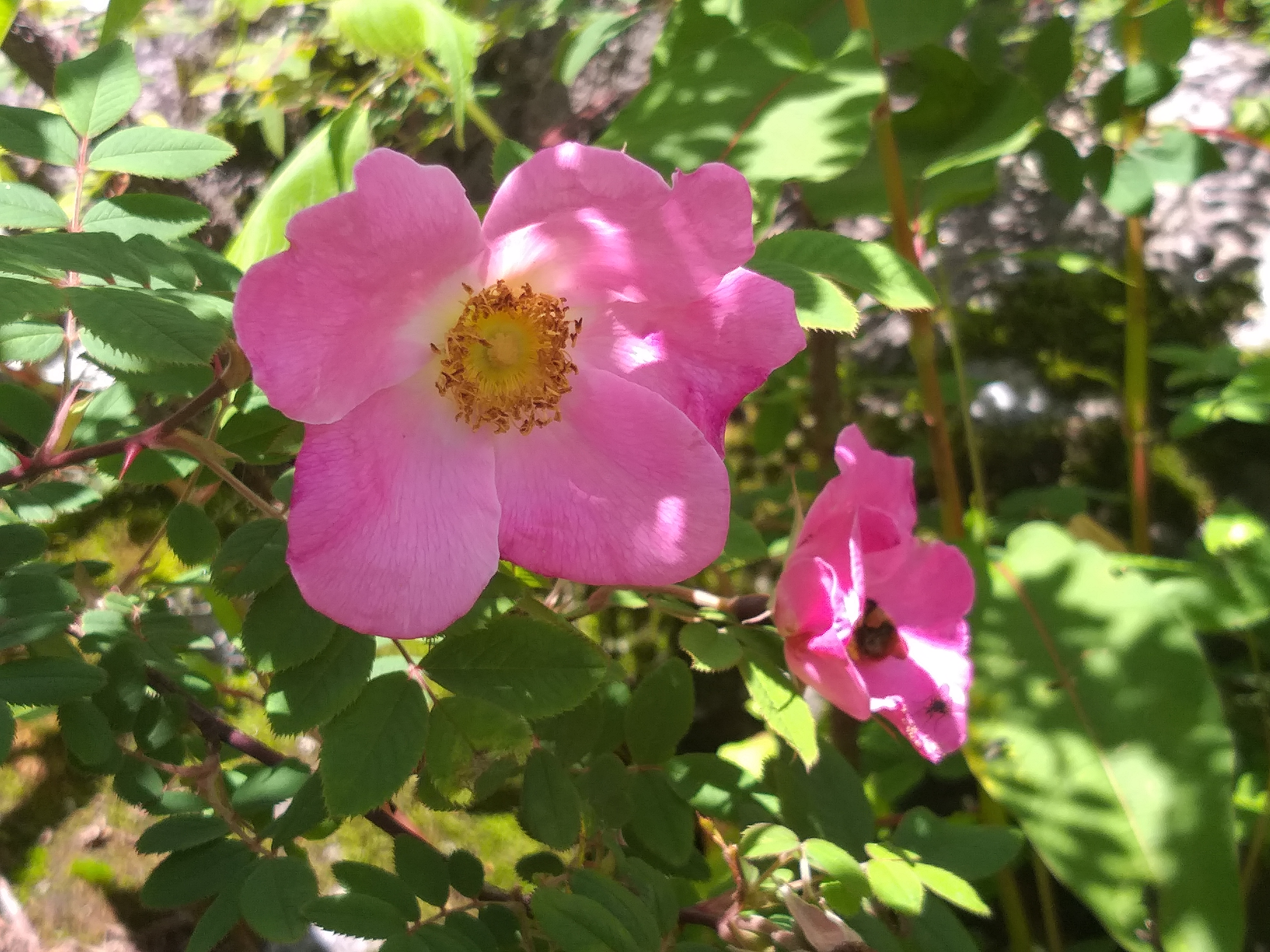
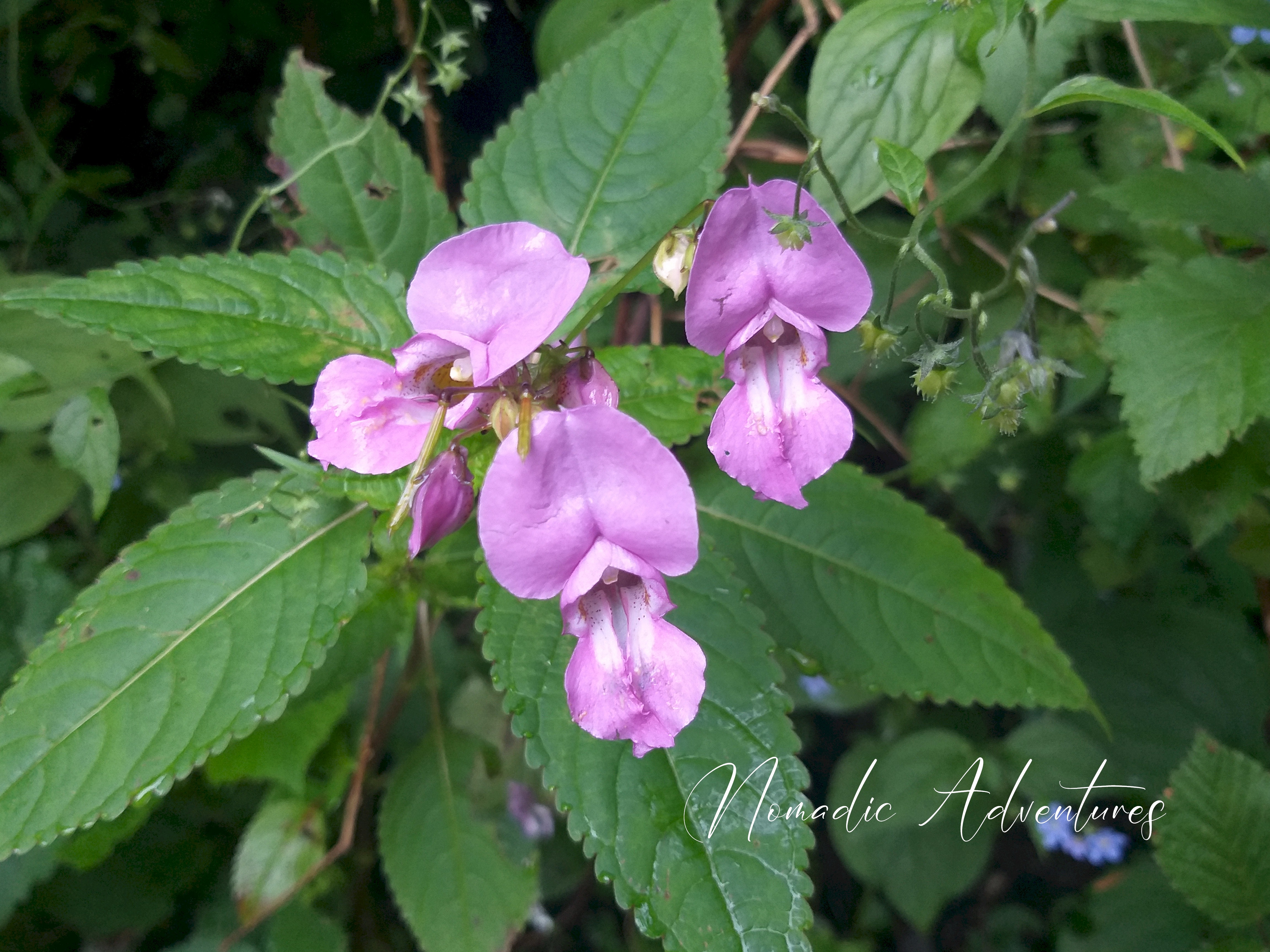

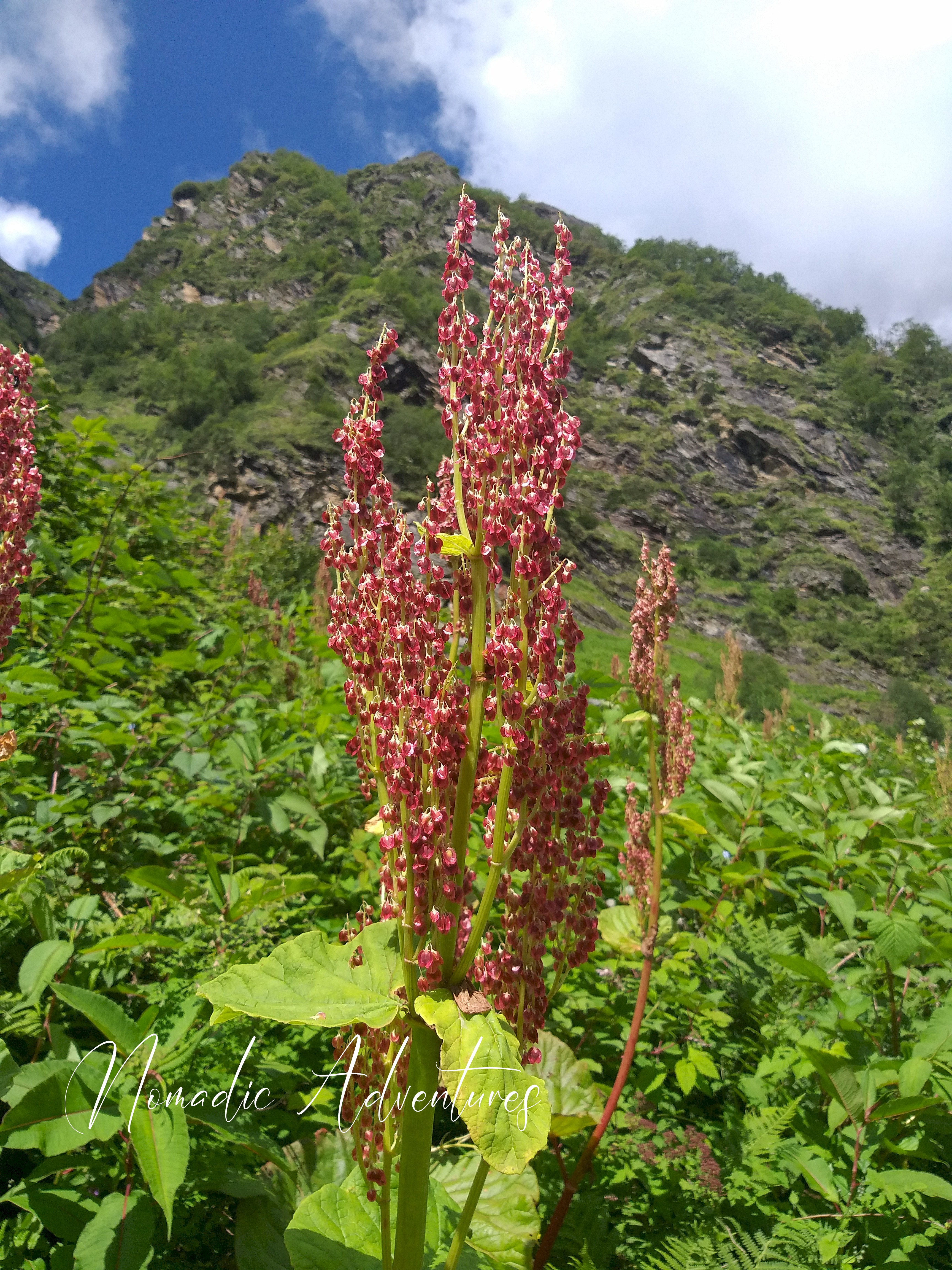
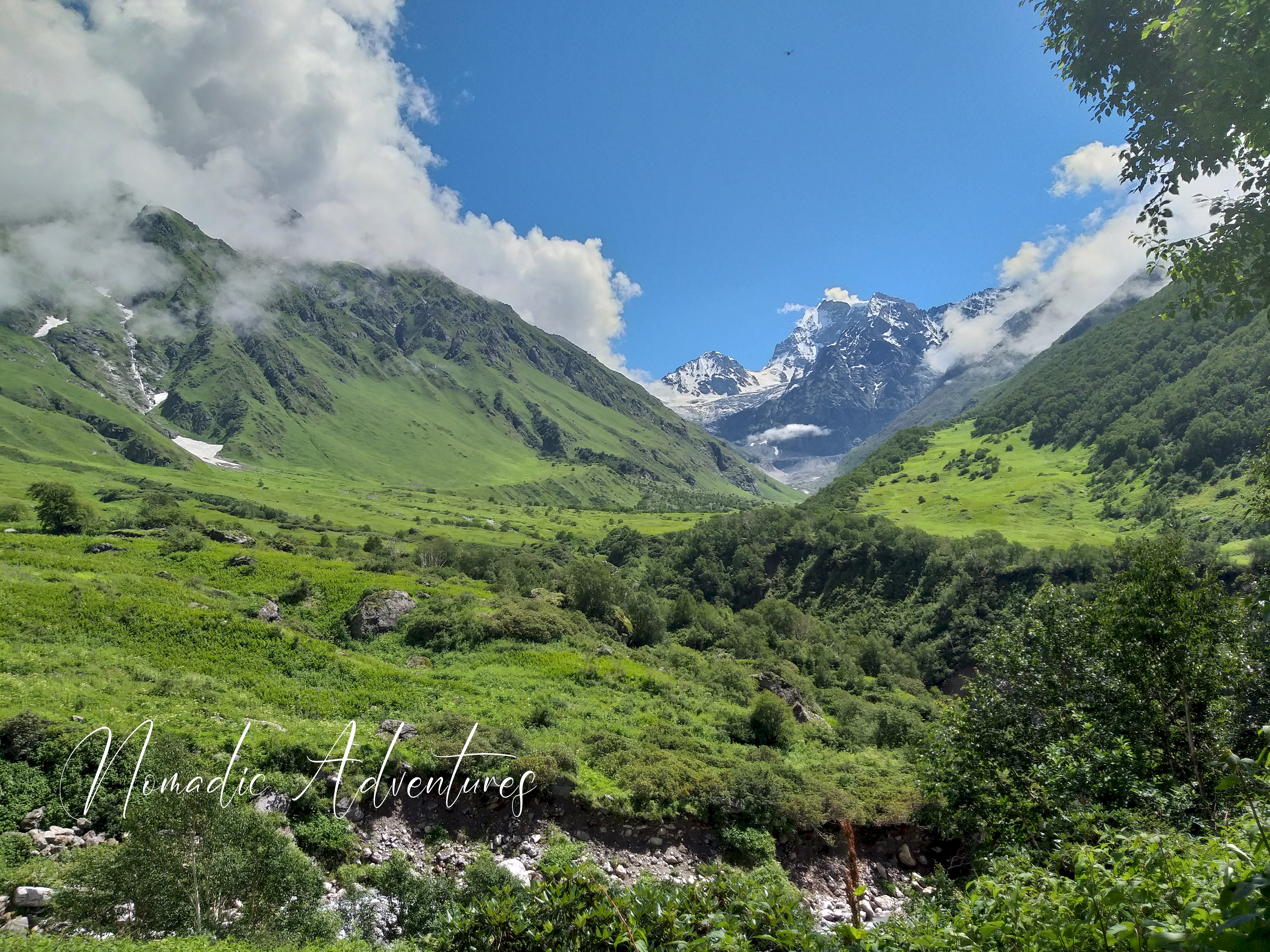
However, I have come all of this way in the hope of finding three specific plants, the cobra lily, the snake lily and the ever rare, blue poppy.
It is hard to describe the feeling when you are in the valley. It is not as though the valley is painted out in bloom, like some clearly photoshopped internet images portray, but when you look, the flowers are everywhere. And the people in the valley almost enter a strange trance like state. Heads disappear into the undergrowth snapping frenetically with cameras and people wander around as though the day has an endless number of hours.
Overwhelmed by the beauty around me, I suddenly screamed out in horror, noticing a tiny bright green snake alongside my right foot. When calm returned, you can only imagine how panic melted into joy when I realised it was, in fact, my fight sighting of the green snake lily.
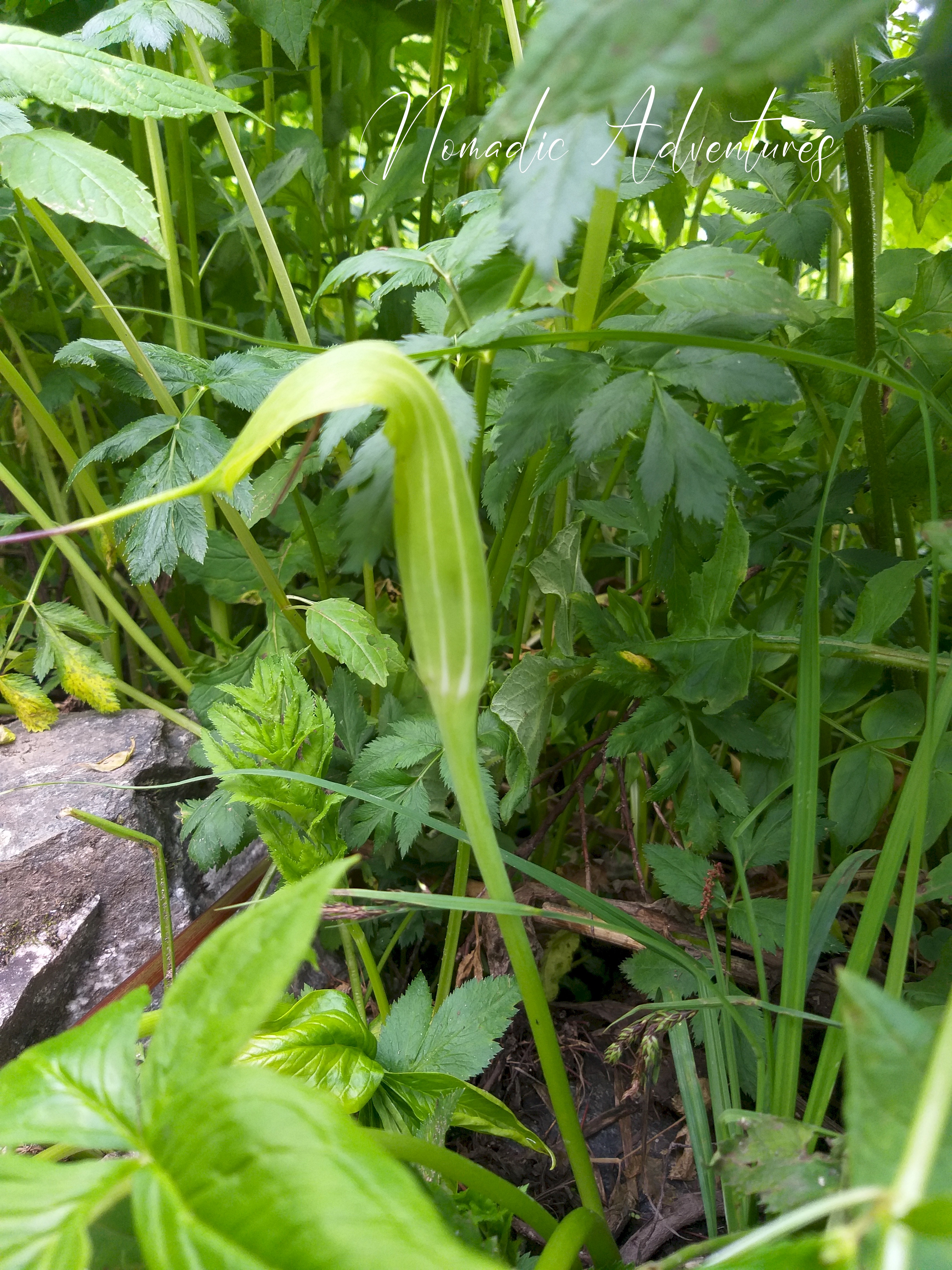
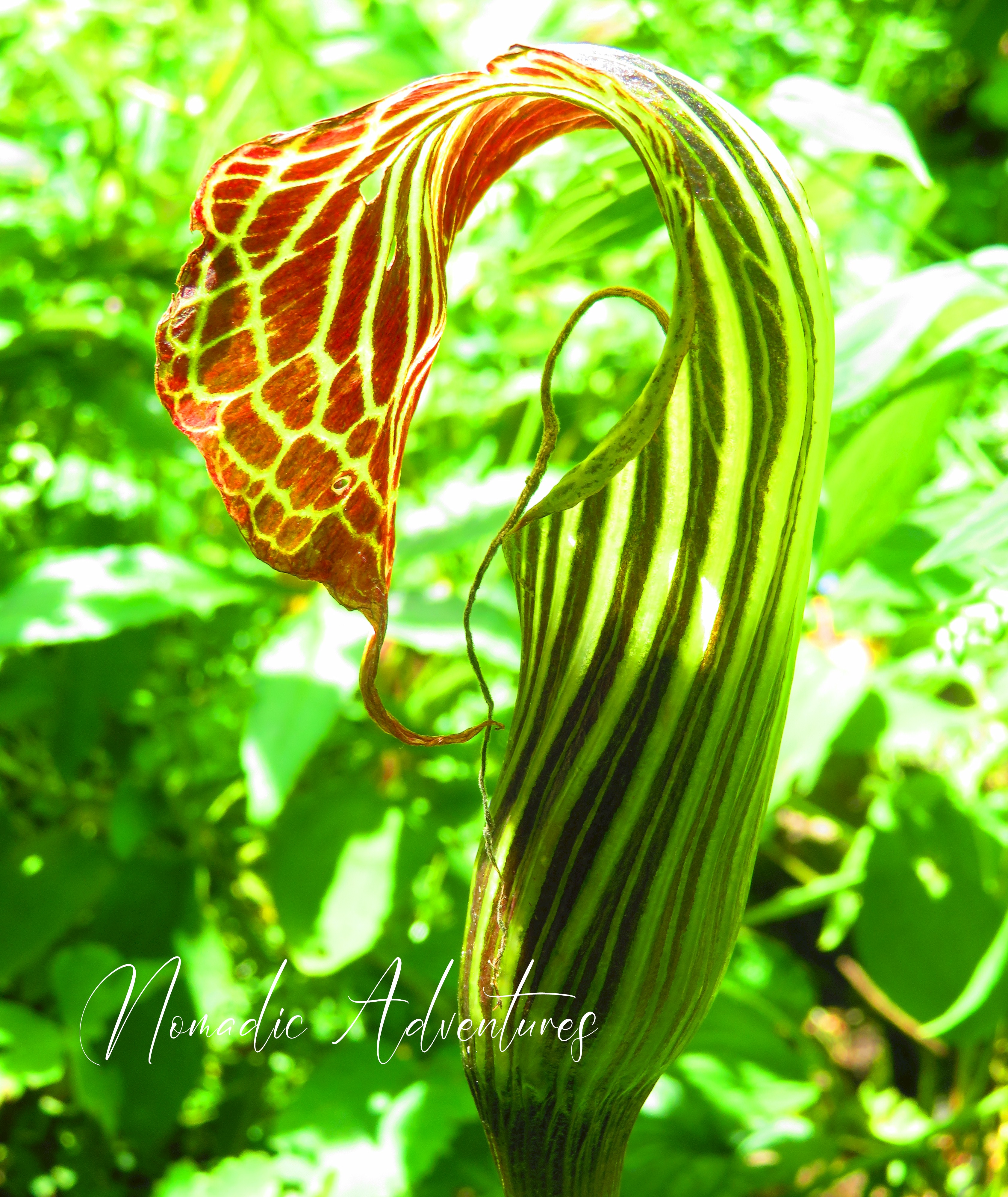
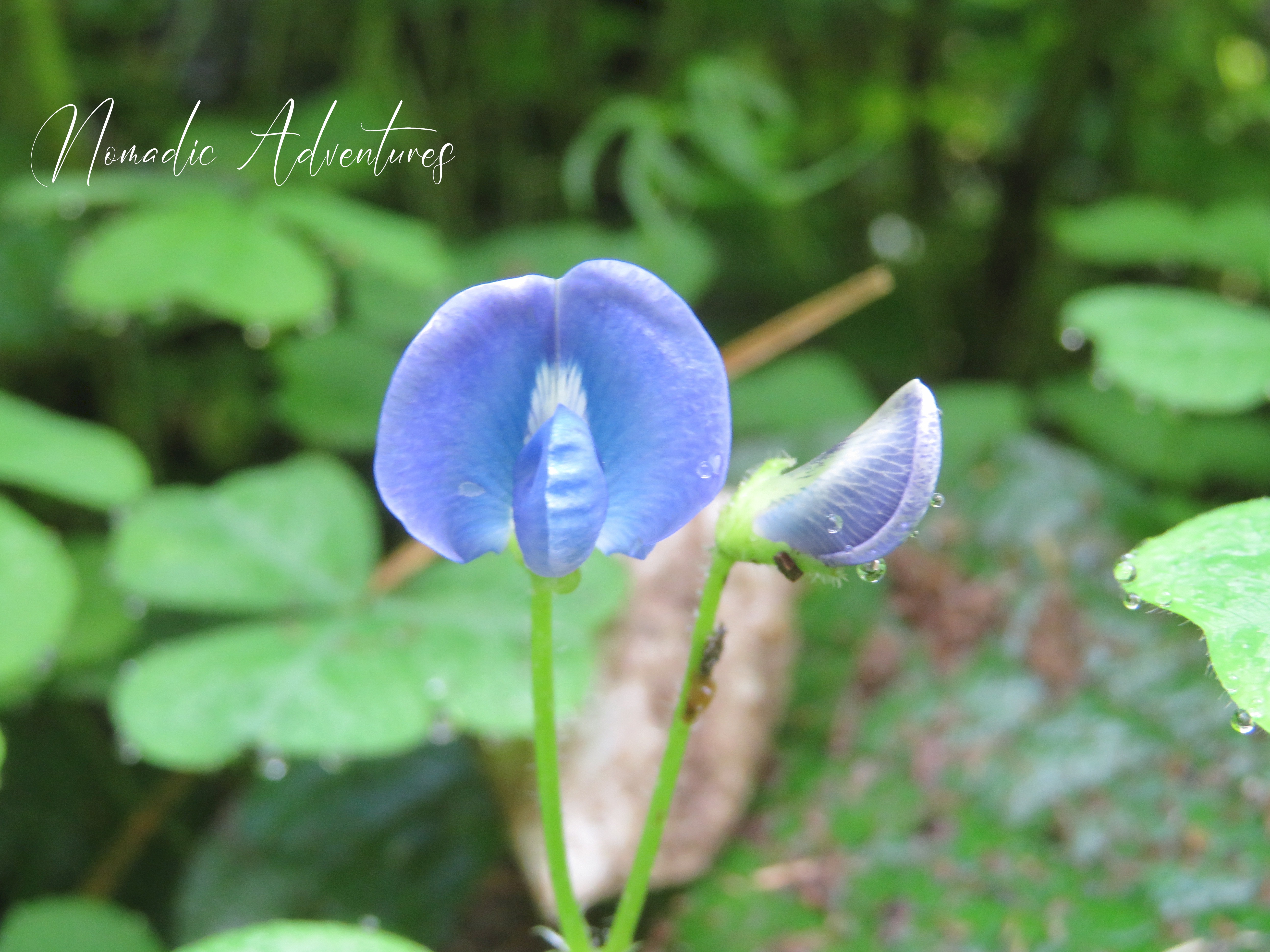
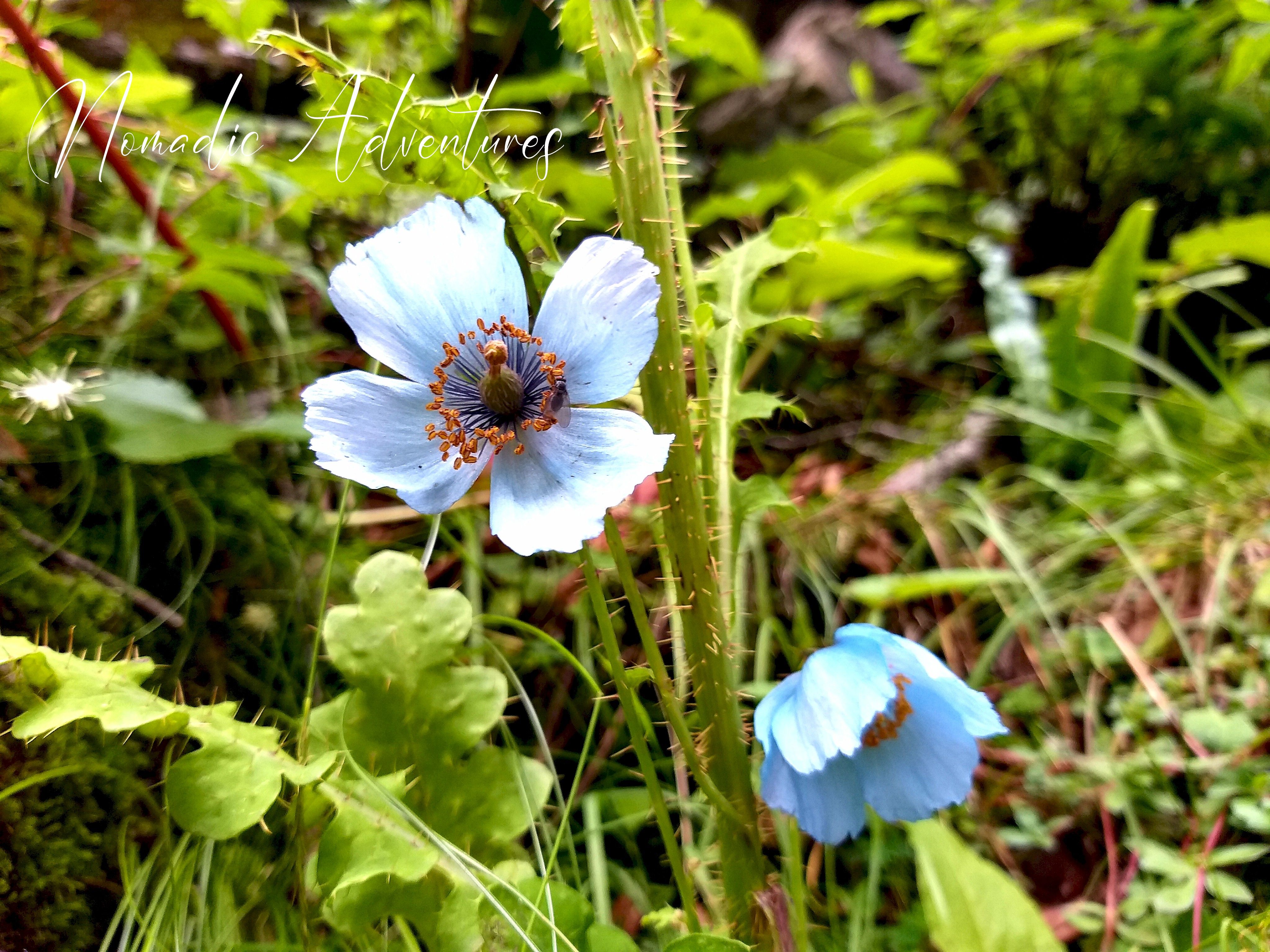
More rare sightings emerged, the cobra lily, the sticky cotton candyfloss-like ‘saussurea’ and, to my utter delight, the blue Himalayan poppy.
Returning to the village, Ghangria was transformed into a new frame. No longer were we simply aware of the forest around us, but also the spongy mosses and lichens that grew everywhere, even the tiny plants that hung onto life in the strangest of places.
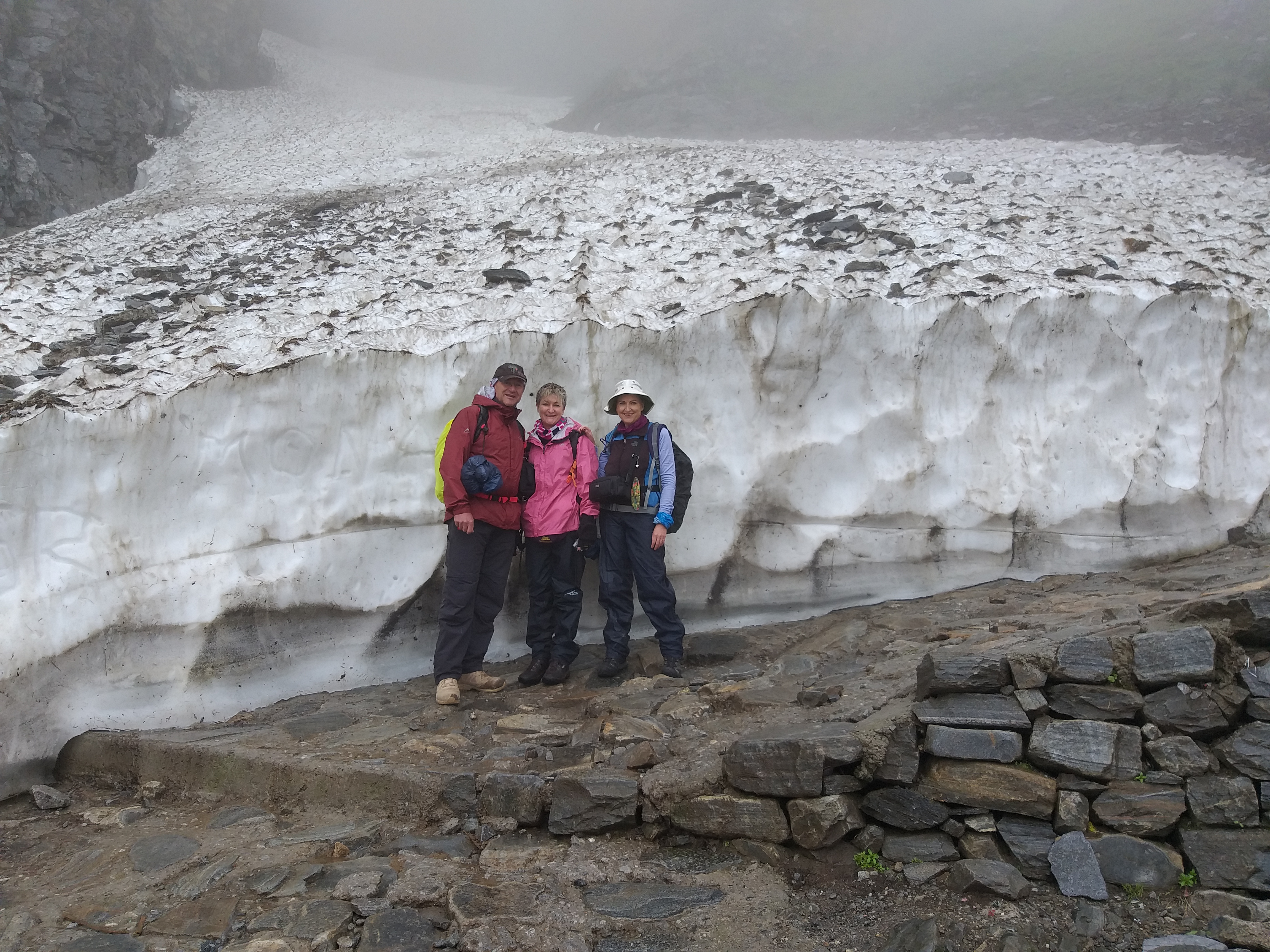
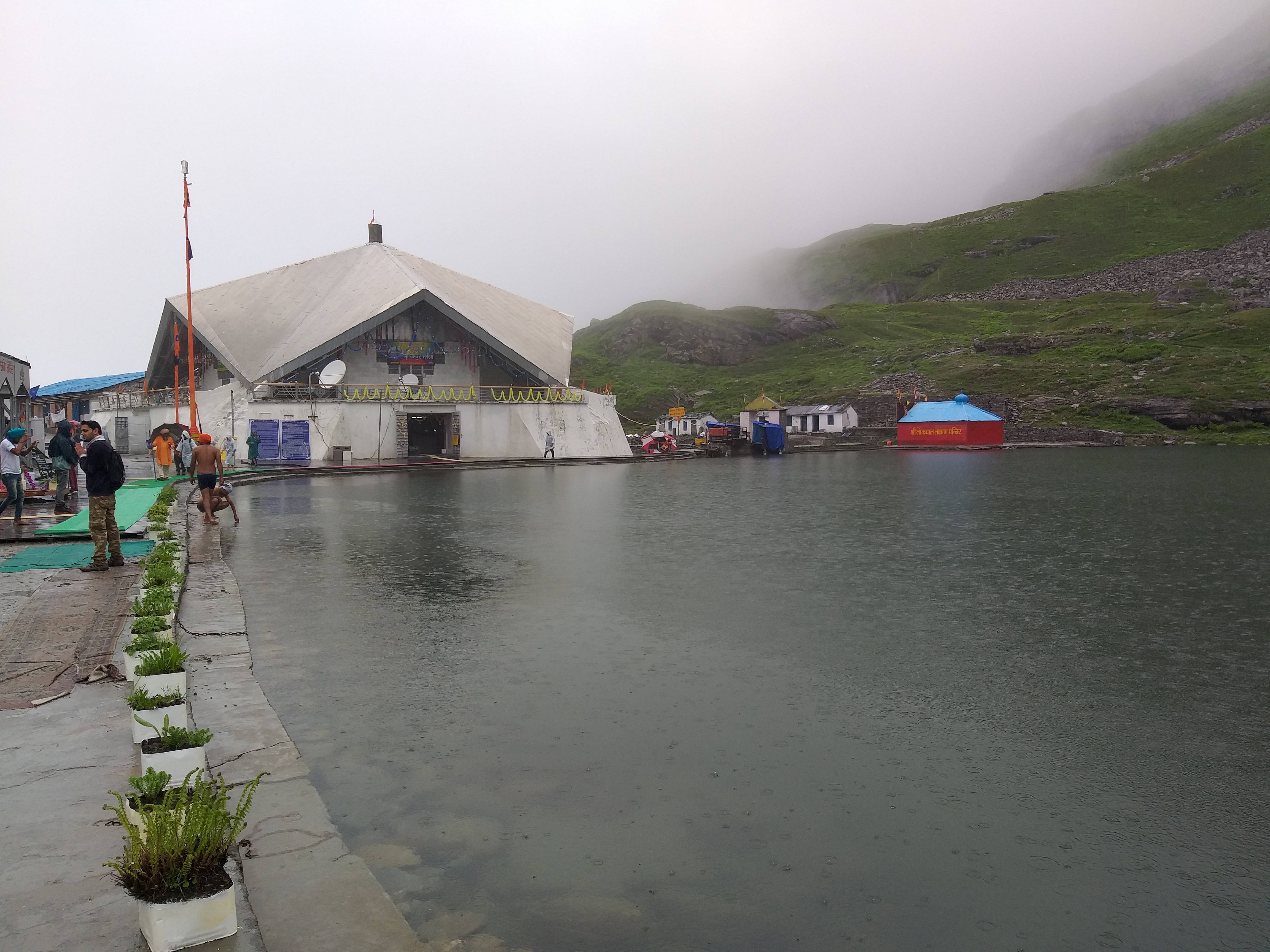
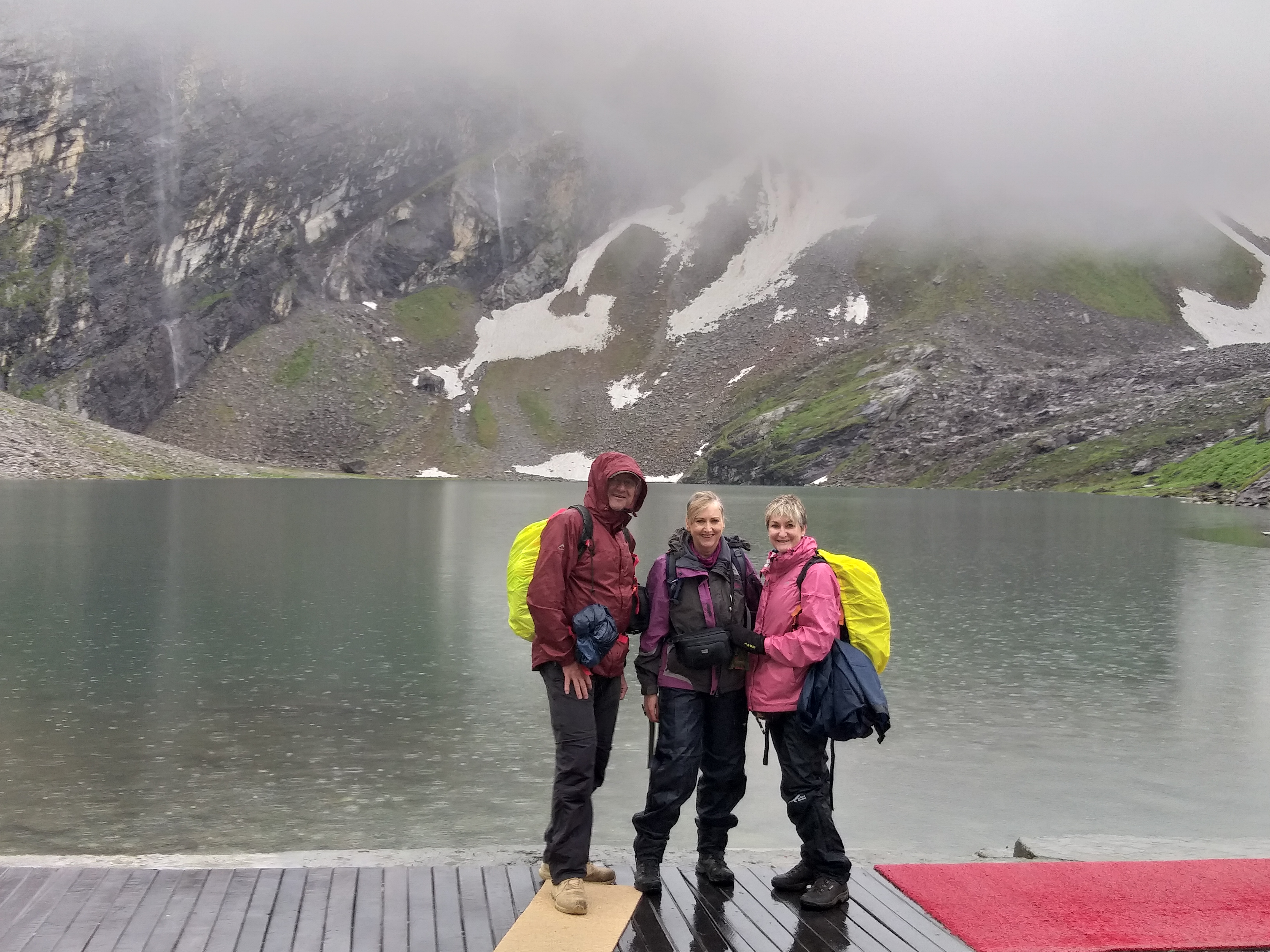
Rain greeted us on the next morning but despite the overcast weather we donned our rain macs and headed off on the endlessly steep, 6km climb up the temple of Hemkund. This is a must do trip for anyone visiting the valley, for to miss it, would be a great shame. Yes the paths are very steep and yes the altitude is draining, but you are progressively transported onward and upward as though called by a greater force.
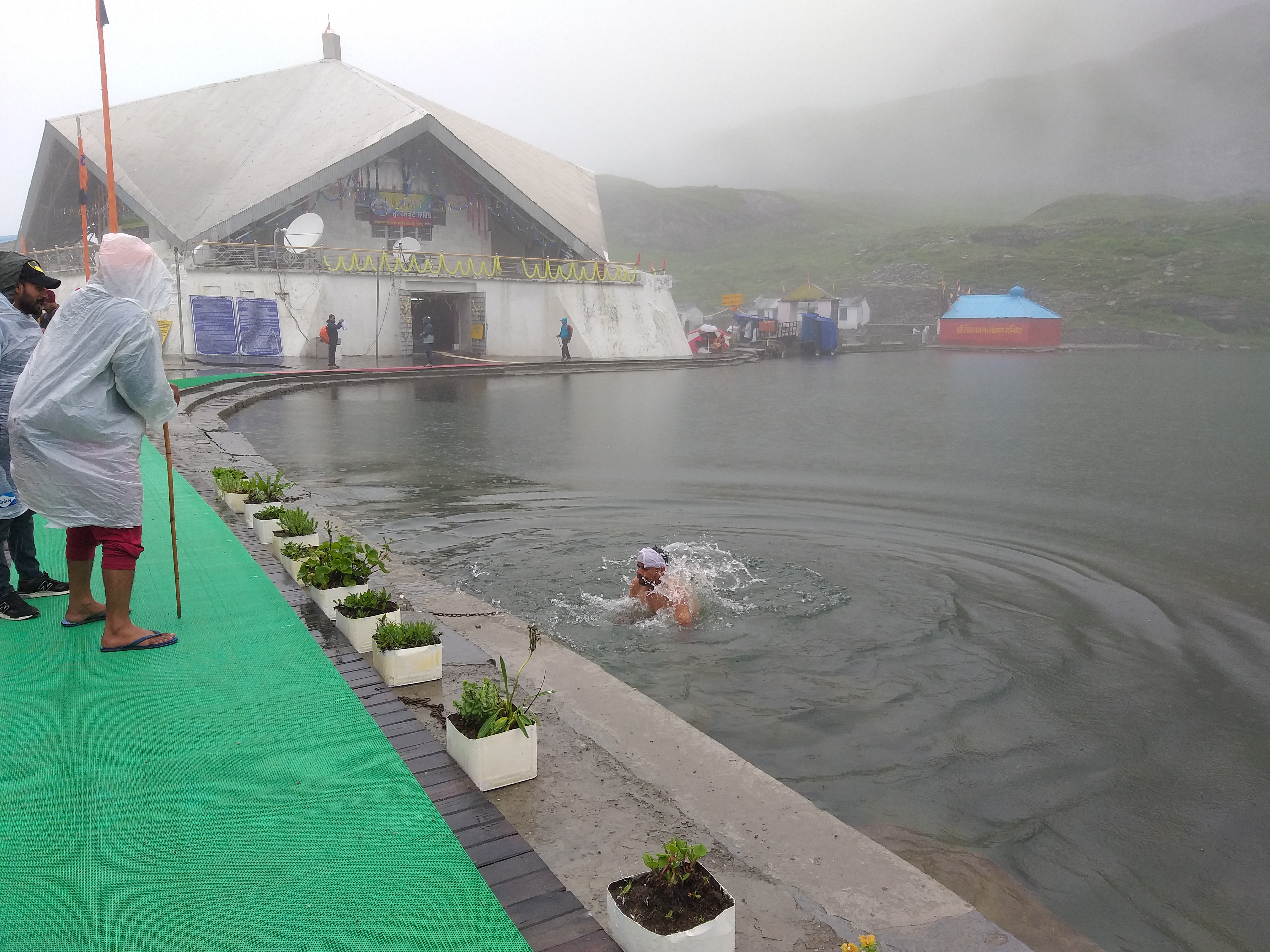
The Temple of Hemkund rests at an altitude of 4329 mts alongside the glacial lake Hemkund. It is one of the most revered Sikh shrines and draws thousands of pilgrims every year. Surrounded by snow-capped peaks with it’s picturesque natural settings it makes for a popular trek for pilgrims and tourists alike.
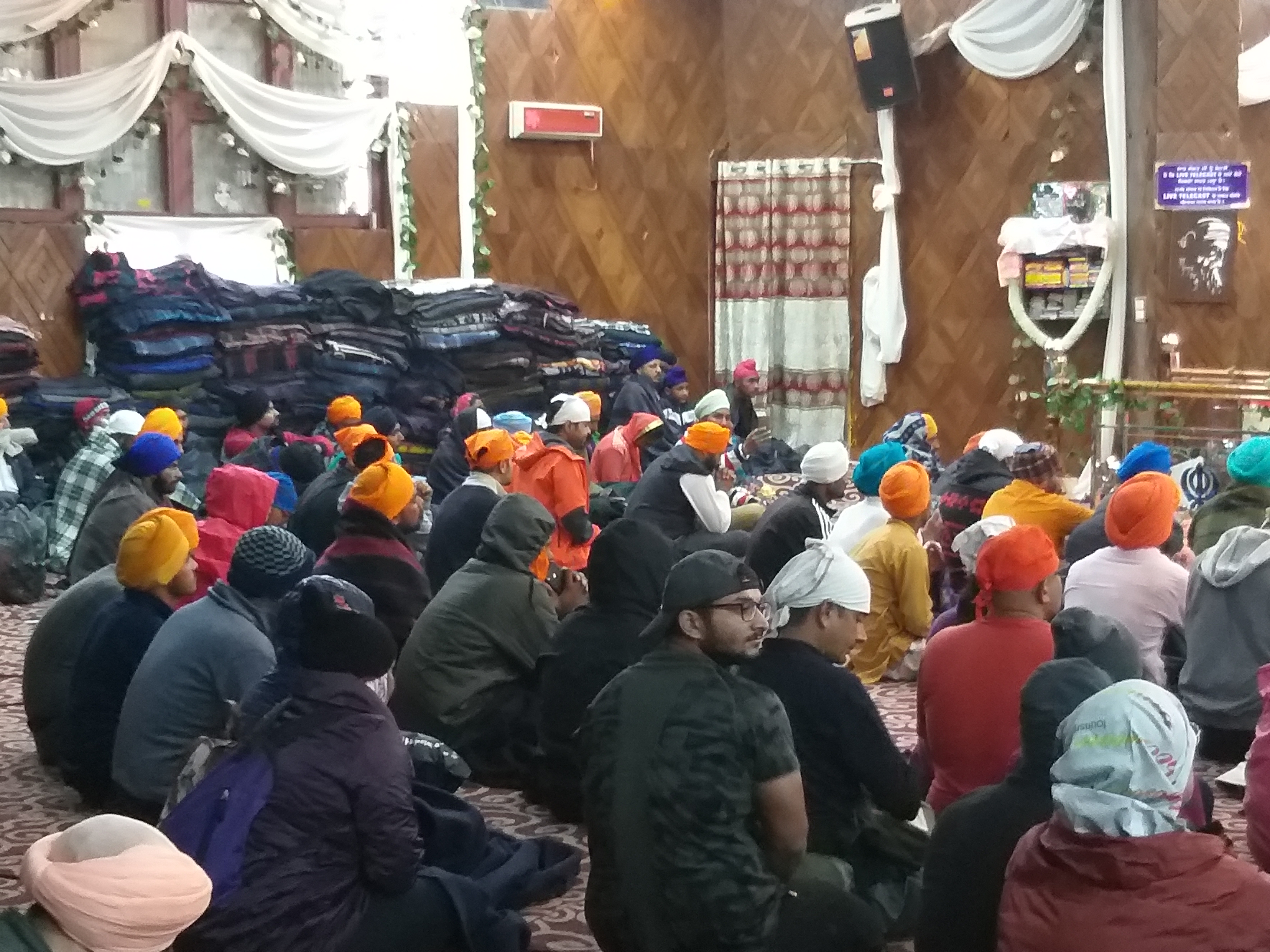
All visitors are offered a hot meal and hot drink before they trek down to Ghangria.
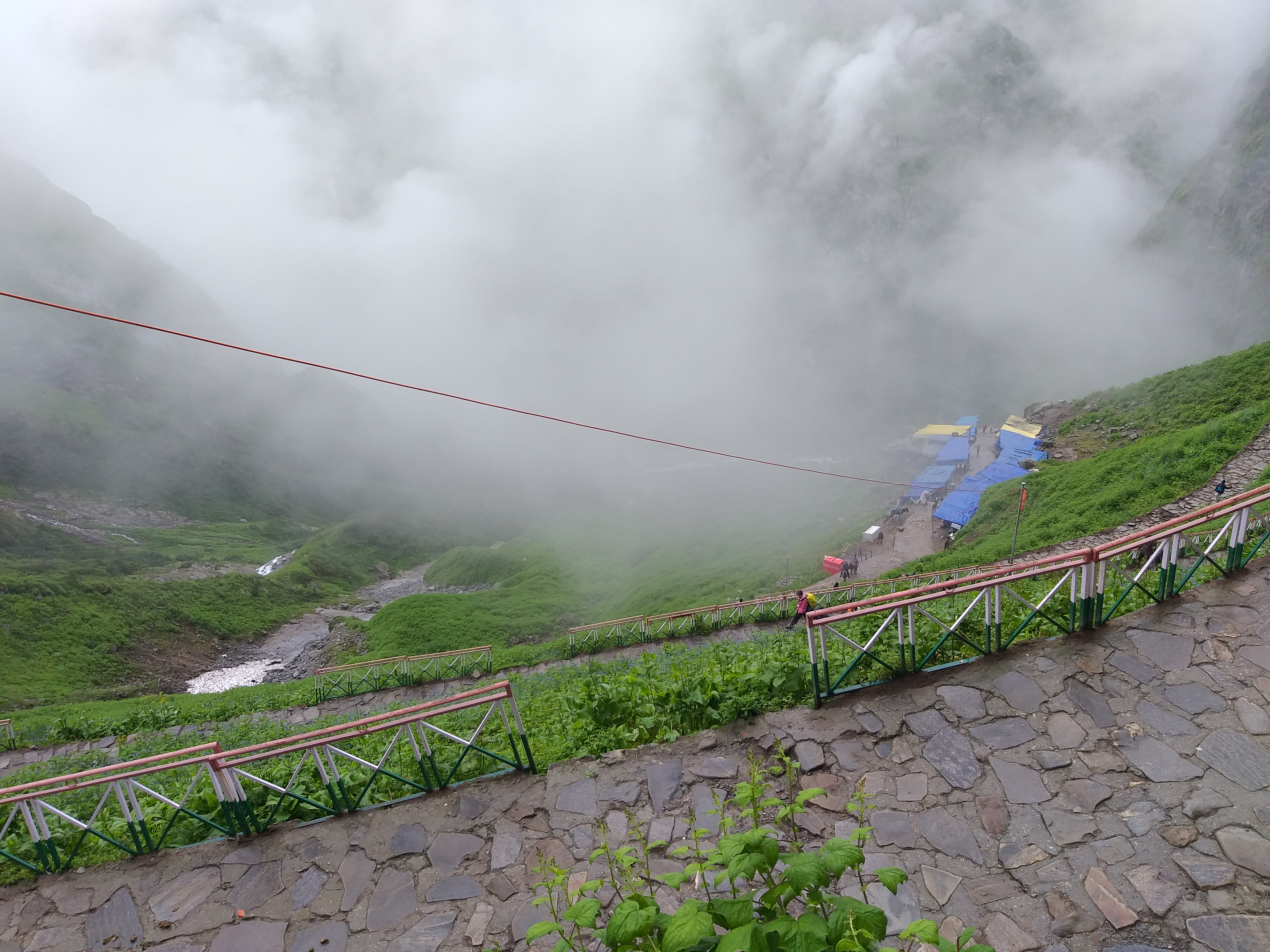
In 2022 the Government of India approved the installation of a Rope-way or Cable car, to connect Ghangria to Hemkund, in an attempt to make it more accessible to the elderly. The rope-way will be around 12.4-km long and will reduce the travel time from one day to about 45 minutes. Despite this, I think I would rather walk.
Given the high altitude and the variable weather in the Himalaya, the entire valley is closed between the months of October and May. The upper reaches become inaccessible, the temple shuts for the winter, the lake and streams freeze over and the entire valley disappears under a thick blanket of snow. And so, it remains until early May when the snow starts to melt, and new life emerges once again in an abundant display of colour.
by Debra Bouwer
For your tours to the Valley to Flowers email tours@nomadicadventures.co.za
 Nomadic Adventures's Blog
1. The Valley of Flowers is a natural botanical garden and one of the most incredible sites in India.
2. The trip to the valley begins with a train ride from Delhi to a place called Haridwar, where the river Ganges exits the Himalayan foothills.
3. The valley has a rich history and was discovered by Bhima of the ‘Pandavas’ according to Hindu legend.
4. The valley is home to around 289 species of plants, including the rare Blue Himalayan poppy.
5. The temple of Hemkund, one of the highest Sikh Gurudwaras in the world, rests at an altitude of 4329 meters and is a must-visit.
LikeLiked by 1 person