This was one of the most insane journeys of my life. Wet and sweaty after 5 days on the mountain, we crammed into a beaten up blue 1952 Land Rover. Within seconds the windows had misted up. The driver wired the doors shut and off we went. Two days of heavy rain and a stream of traffic had turned the steep, downhill Chagoria road into a Pavlova of whipped up mud and trenches. The vehicle looked as bad as the road. Door handles were missing, the front bumper buckled and bent and one wiper blade was severed off at the hinge. The roof had its share of dents – evidence that at some point it had sustained a roll.
Gripping the steering wheel our driver aimed the Land Rover down the ruts, at times steering up against the bank, using it to keep the vehicle “on the road.” At one point the van slid sideways before he managed to maneuver it into a rut. Two hours later our downhill mud ski ended and we emerged from the camphor forest. The rain stopped. The road ahead was dry. Behind us the mountain hid under a blanket of cloud.
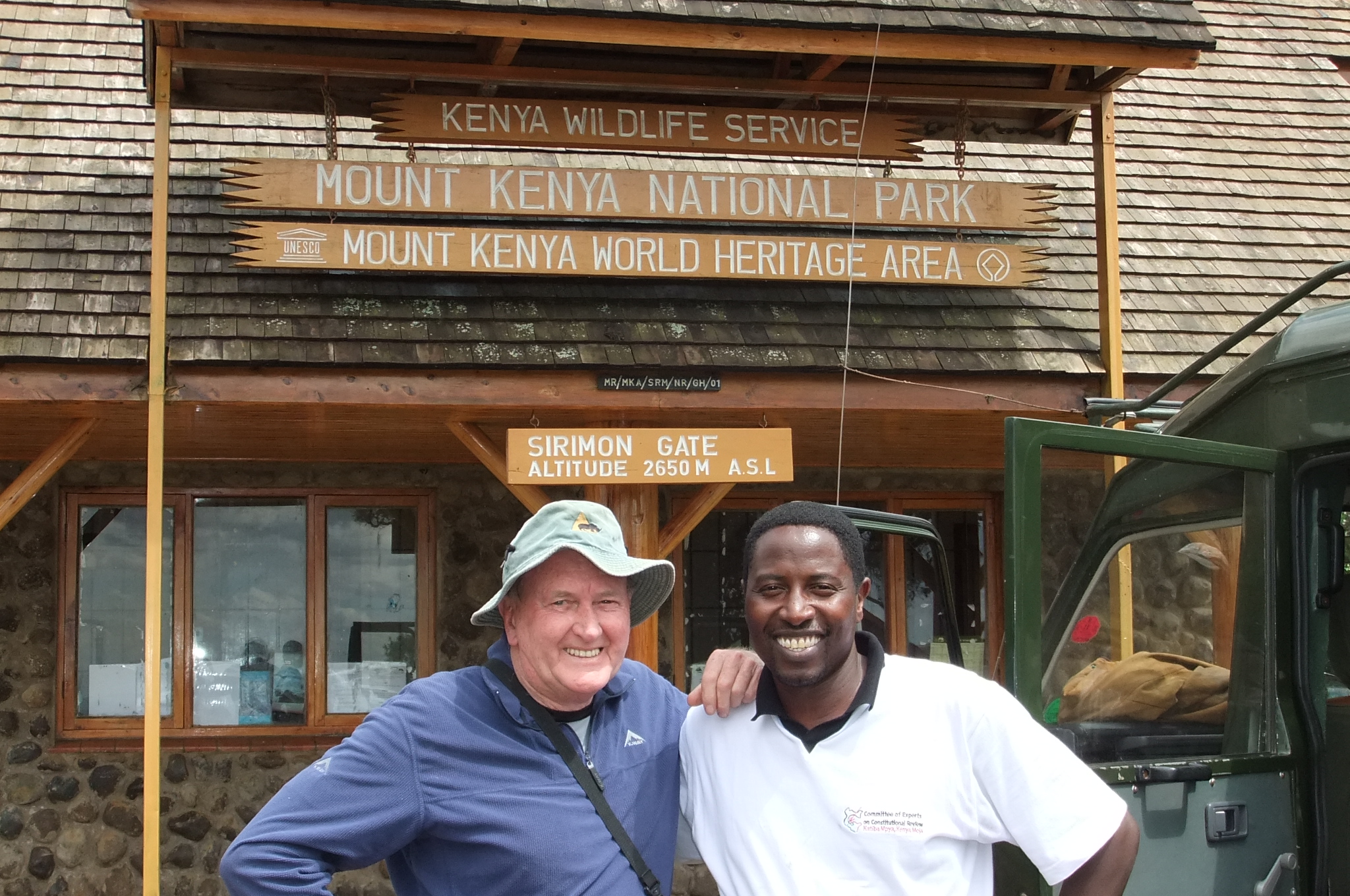

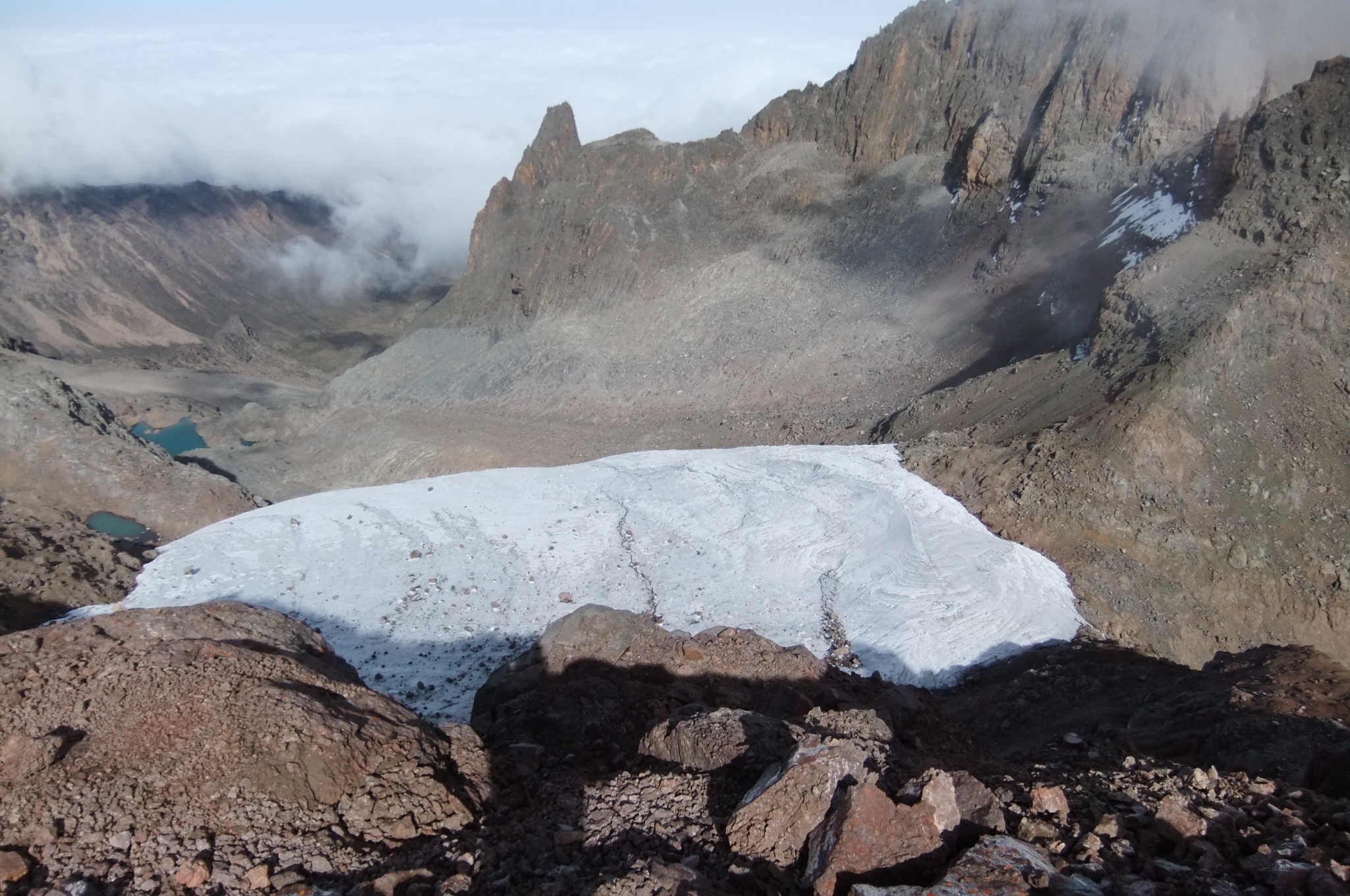
Our trek up Mt Kenya had begun 5 days earlier on a sunny morning. Mt Kenya, like its southern sister, Kilimanjaro, is a volcano which formed about 3 million years ago. Although Mt Kenya ranks as Africa’s second highest peak, it once took centre stage reaching an estimated height of over 6000m. All that remains today are some glaciers and jagged eroded peaks. Home to the mountain God of the Ngai people, it boasts three summits named after Maasai Chiefs; Nelion, Batian (both technical climbing peaks) and Lenana. Lenana, like Kilimanjaro, is a trekking peak where a pair of hiking boots, fitness and determination are all that is required to reach the summit.
Mt Kenya is beautiful. Her many sided approach means she presents a range of different faces, each with unique flora and fauna. She rises above the surrounding plains as like a series of arthritic spines, casting endless shadows over the valleys below.
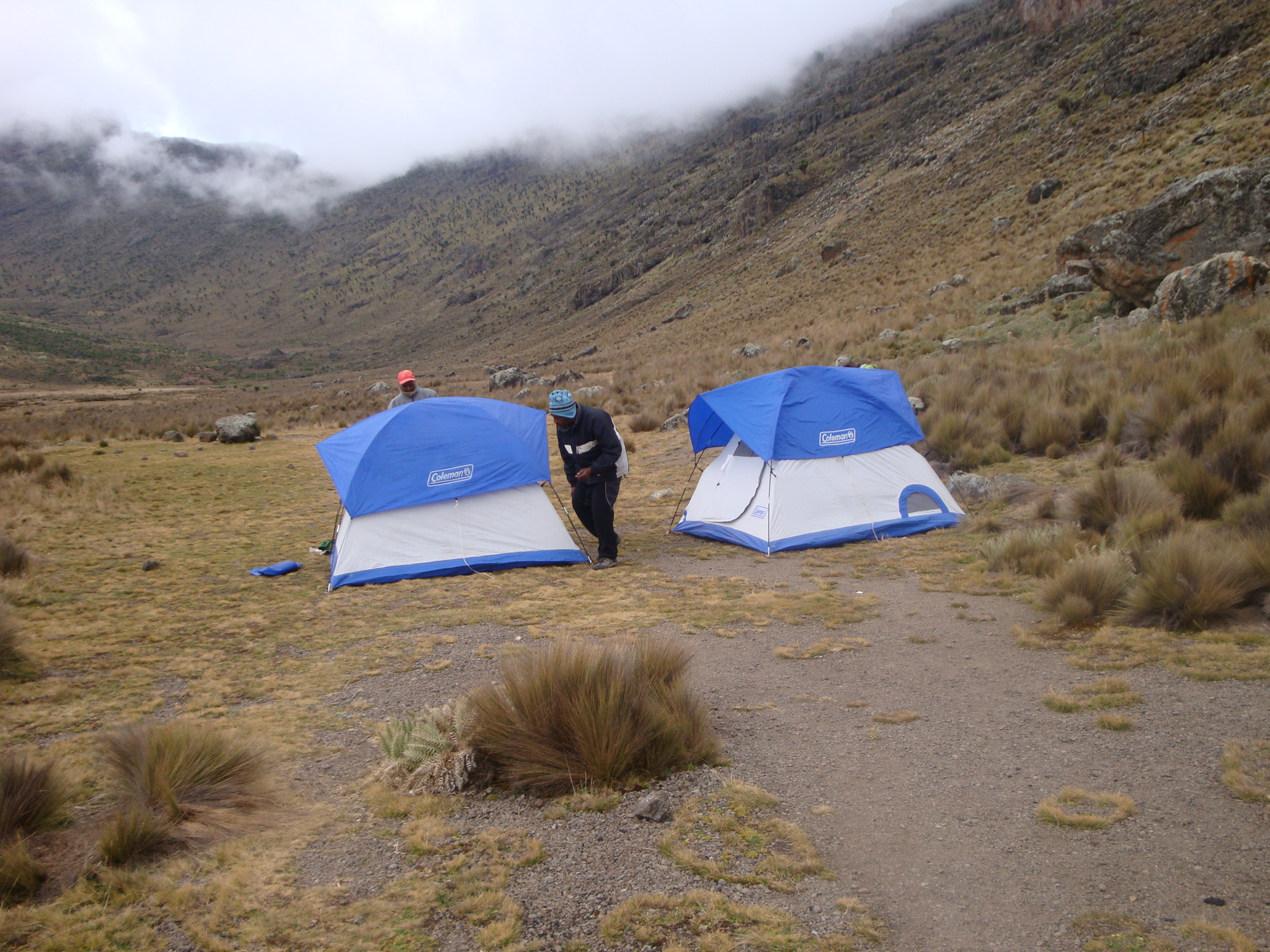
Having chosen a 6 day trek along the Sirimon Chagoria route, our first day was a dusty 4 hour walk to Old Moses Hut. Approaching camp, we were greeted by the happy clatter of pots and pans, as teams already there went about preparing their evening meal. Porters darted to and fro, men huddled over gas burners and a cacophony of radio songs echoed across the courtyard. Outside the huts, trekkers huddled together in tiny patches of fading sunlight.
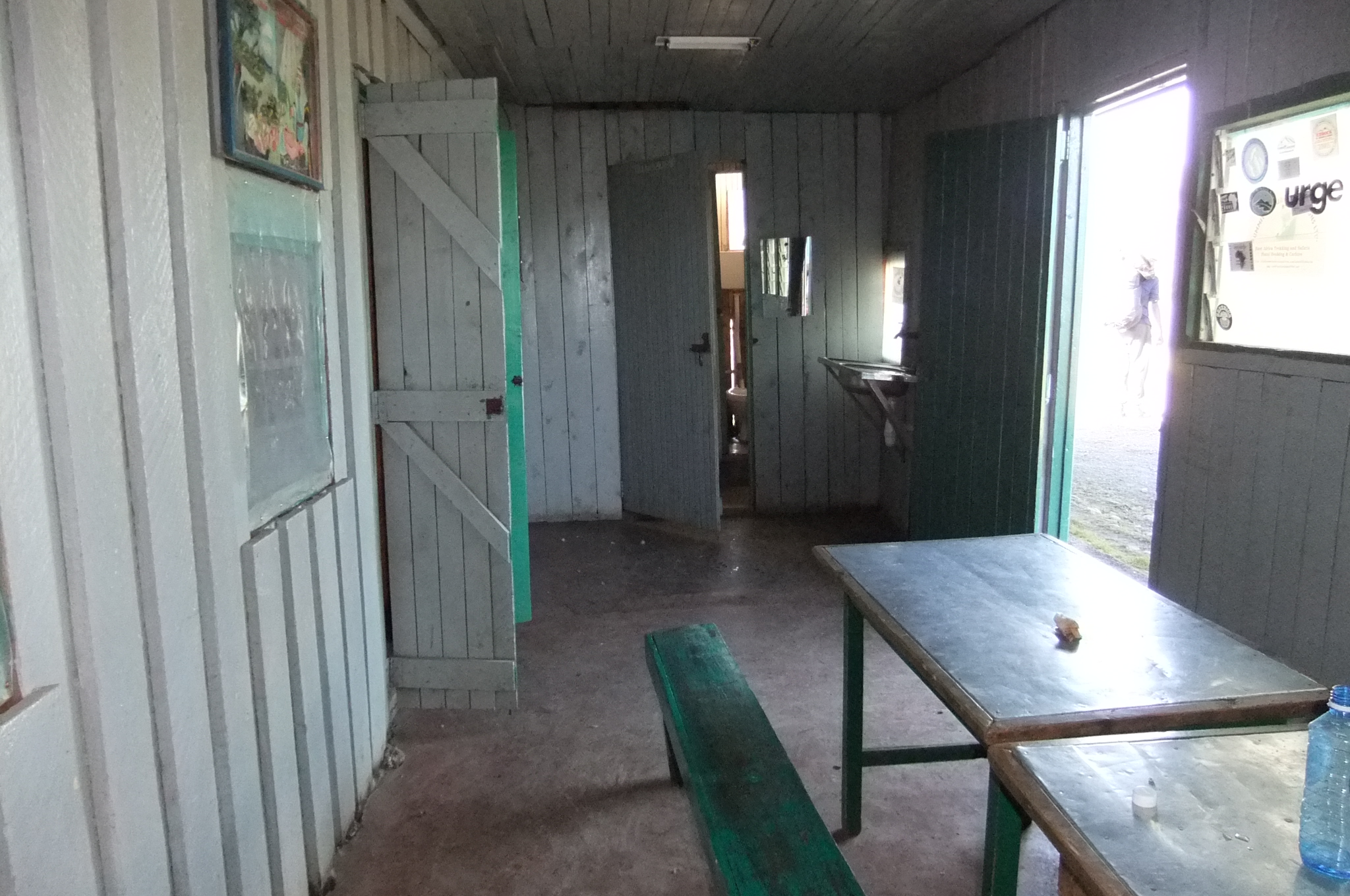
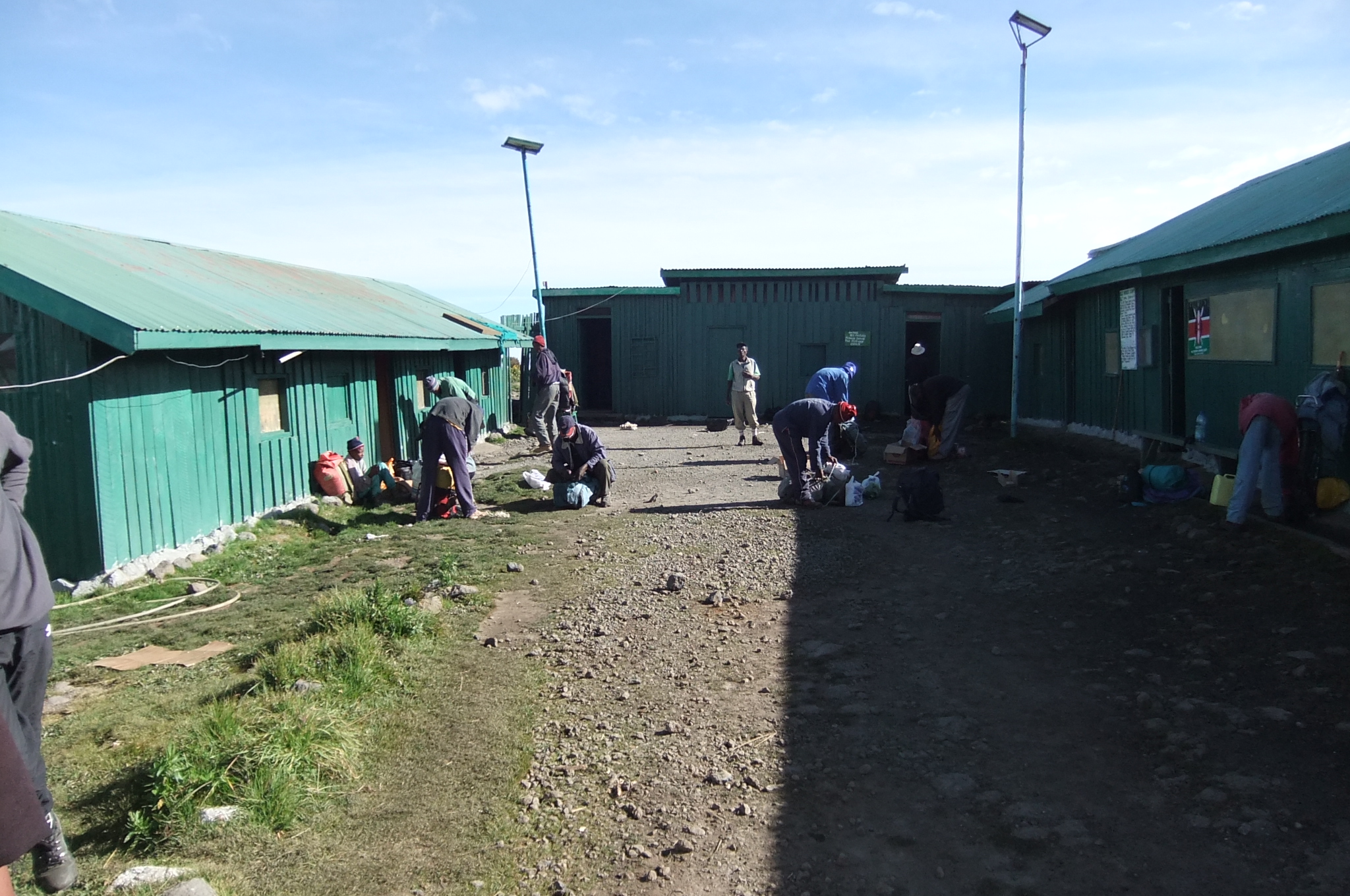
Early morning our door creaked open and the light crept in, beckoning us to venture onto the mountain. It was a clear day. Far in the distance, Nelion and Bation peered over a ridge to inspect the morning traffic in the foothills.
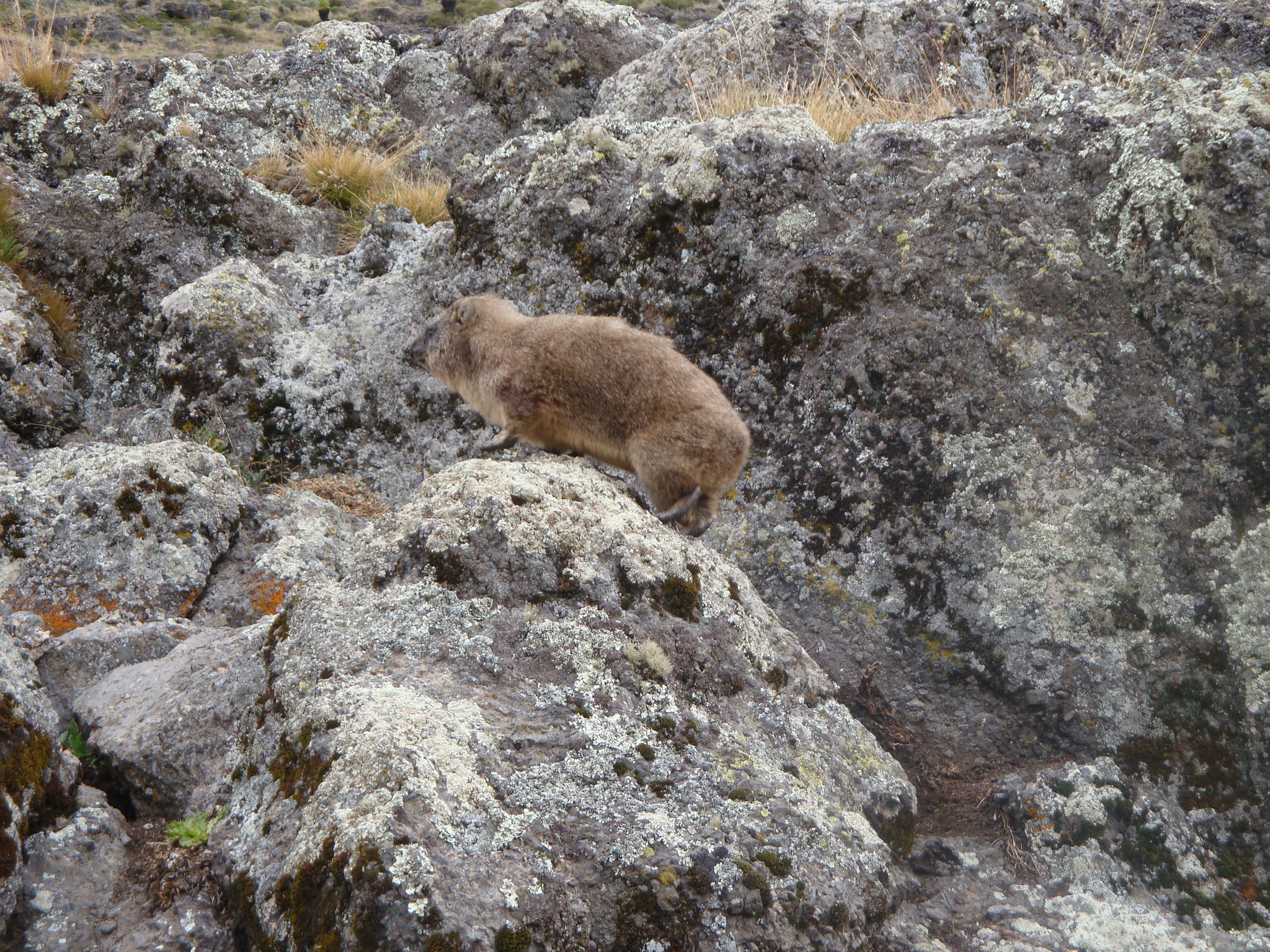
The vegetation on Mt Kenya is diverse. At first we found ourselves in a heath zone with gnarled sedges and red hot pokers. Prickly tussock grasses bit through our socks. At one point a never ending stream of fat safari ants, criss-crossed the path, oblivious to the increasing gain in altitude. Alpine chats and starlings followed us, darting back and forth catching their afternoon meal as it sprung from the grass. Out of nowhere, a wide eyed duiker bolted across the path. Our stop for the night was at Liki North, a remote and seldom used camp. A lone wooden hut resides in the haunted narrow valley alongside a frozen stream; its decaying timber like pages of an unpublished novel. The silence was almost deafening until late afternoon when shrill cries of a thousand ghosts, screamed through the valley. “Hyrax” yelled Patrick, our guide, “Hyrax!” The rock Hyrax is a short squat, thickset and rotund creature. With their stubby legs and soft padded feet, they dart about the rocks calling across the valley. Night comes quickly on the mountain, and with it, the biting cold.
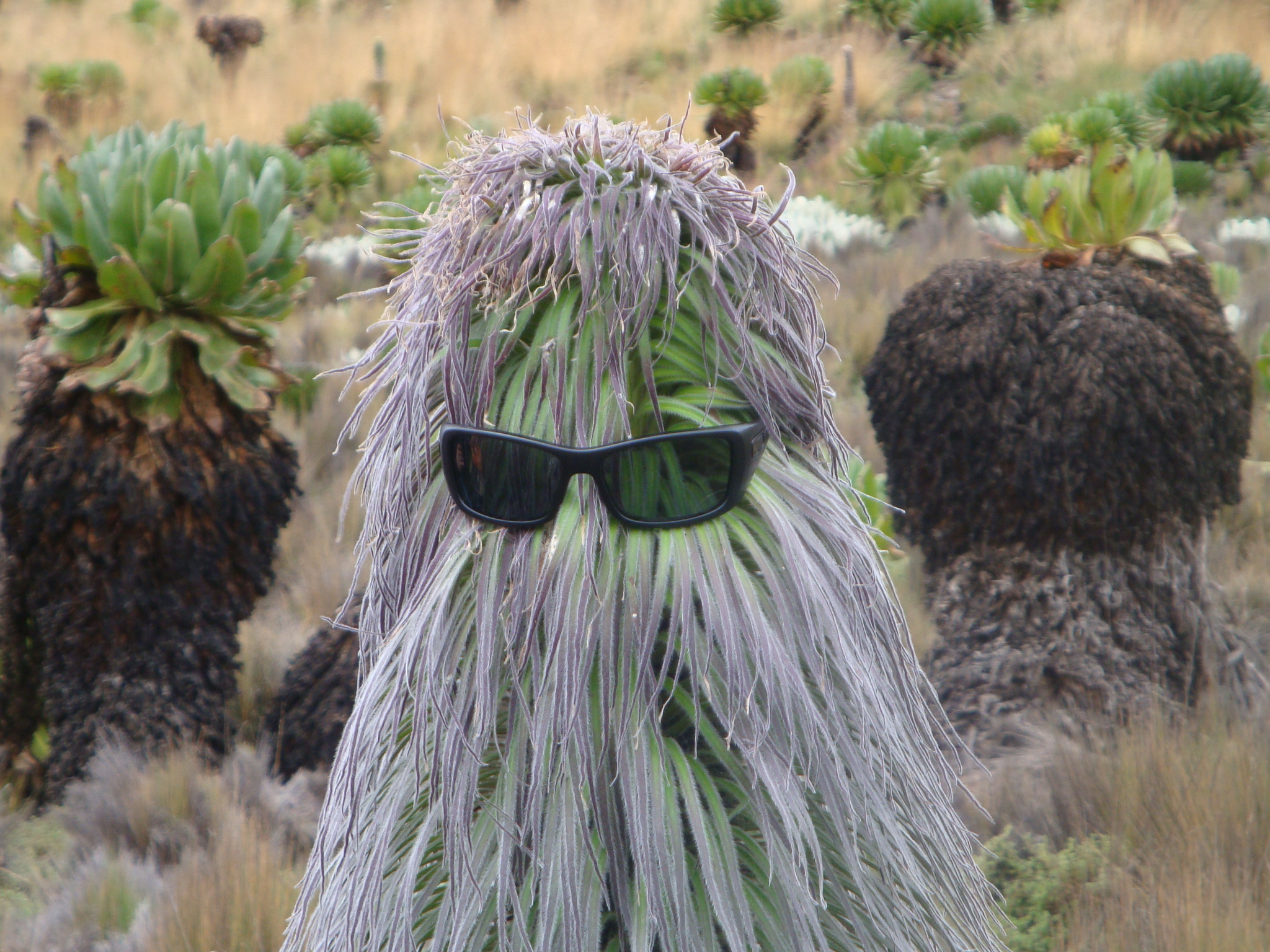
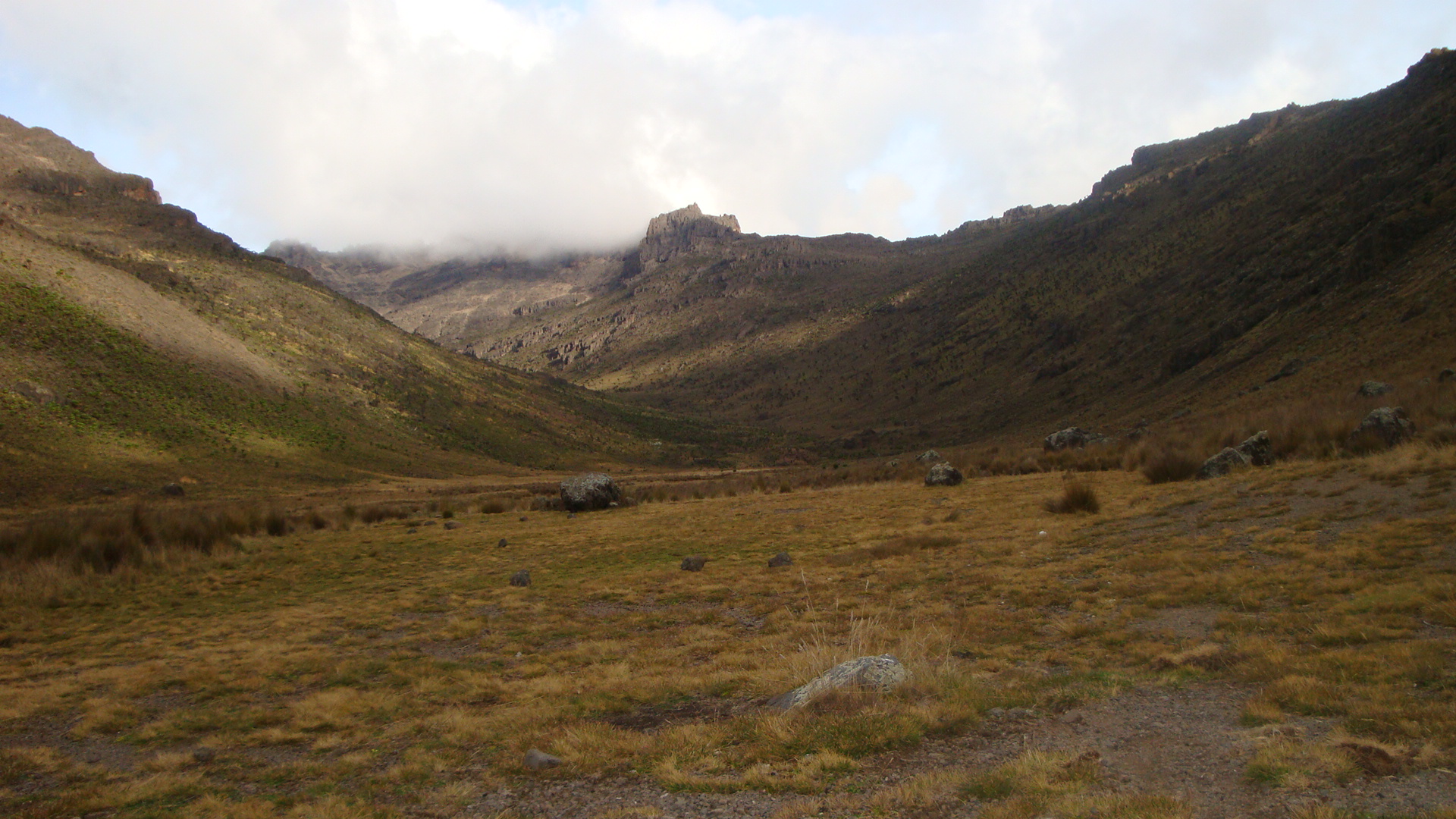
Like every morning we were met by the warmth of the rising sun and headed up and away from our valley of solitude to join the trail to McKinders Hut. As though turning the page of a picture book, we found ourselves dwarfed by massive green leafed Scenecio’s with their craggy trunks. The path disappeared into the shadow of their leaves and the entire valley became awash with a myriad of green Groundsel. Dotted along the ridge were inflorescent finger-like tendrils of Lobelia Telekii reaching for the sky. It was like walking through a scene from Middle Earth meets Day of the Triffids.
The path to McKinders snakes through the valley, then rises steeply up a stony ridge to the camp. We were welcomed by a colony of Hyrax, grunting and chattering welcome messages. Above us loomed the Chieftans of Nelion and Batian and hidden over a ridge, Lenana waited patiently to greet us.
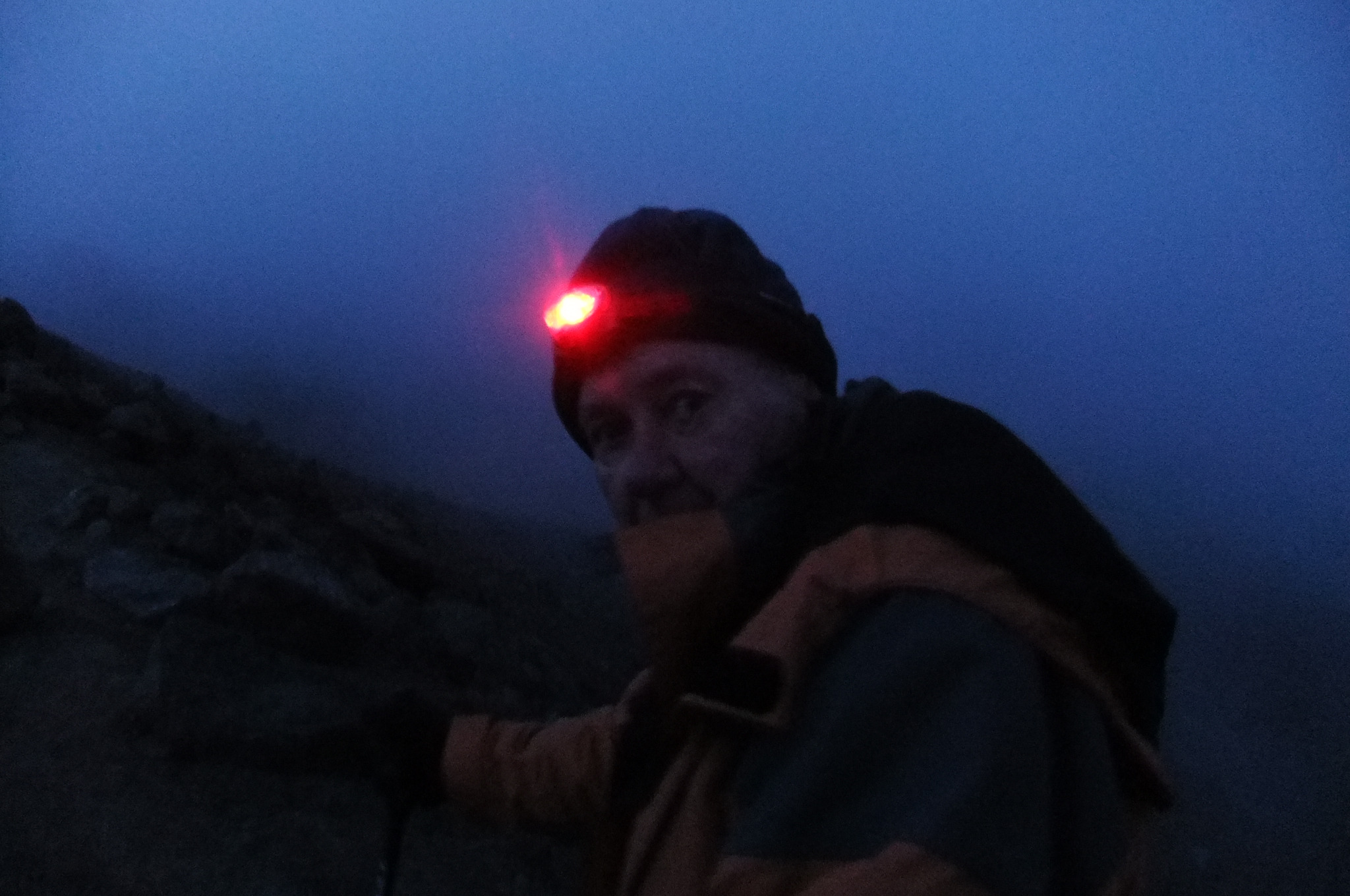
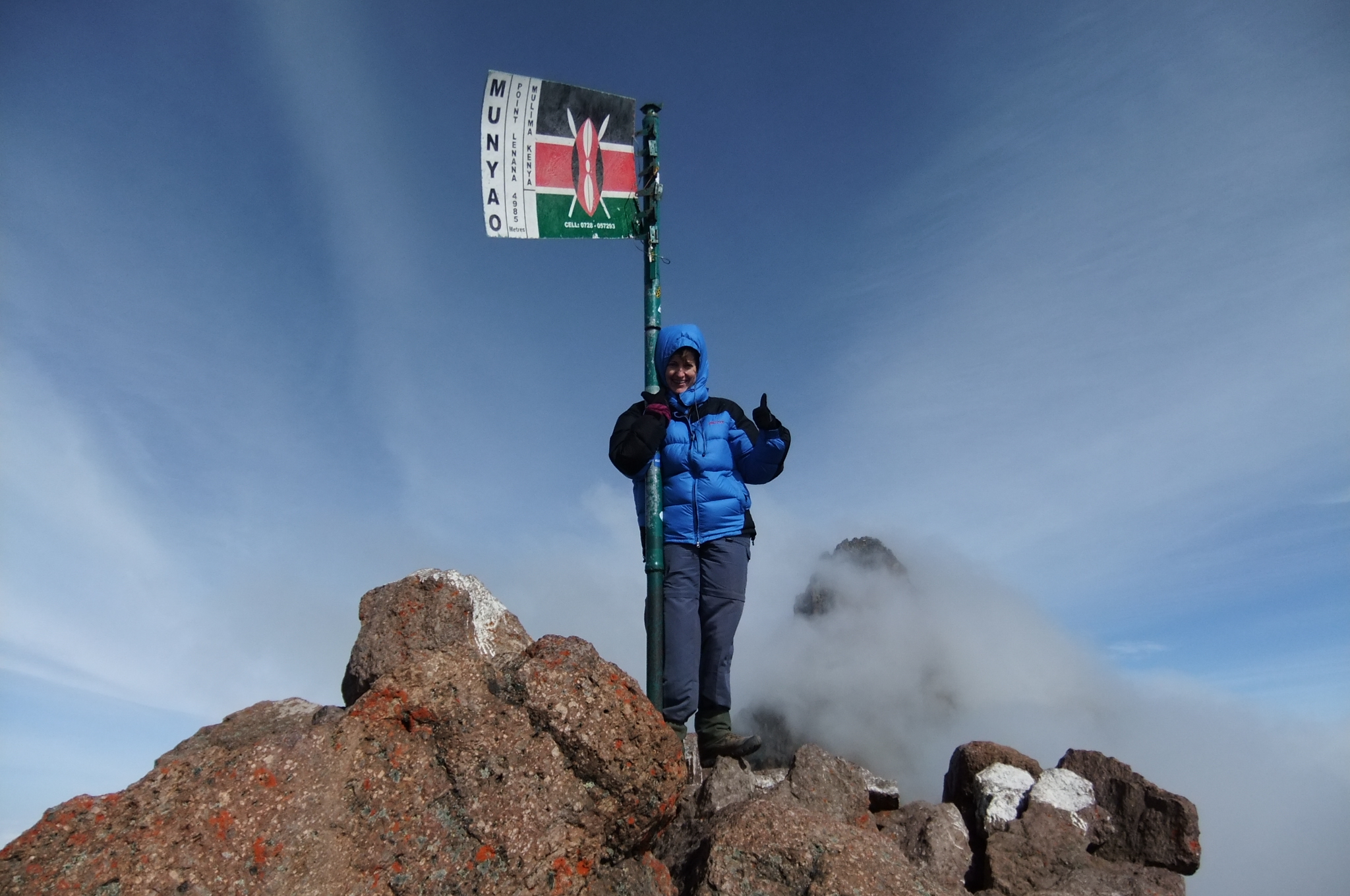
Rising at 4am, we picked our way through steep rocky stone scree guided by the light of our headlamps. With Patrick at the helm, we made our way through the mist and away from camp and in the early morning sunlight; we basked at the summit of patient Lenana.
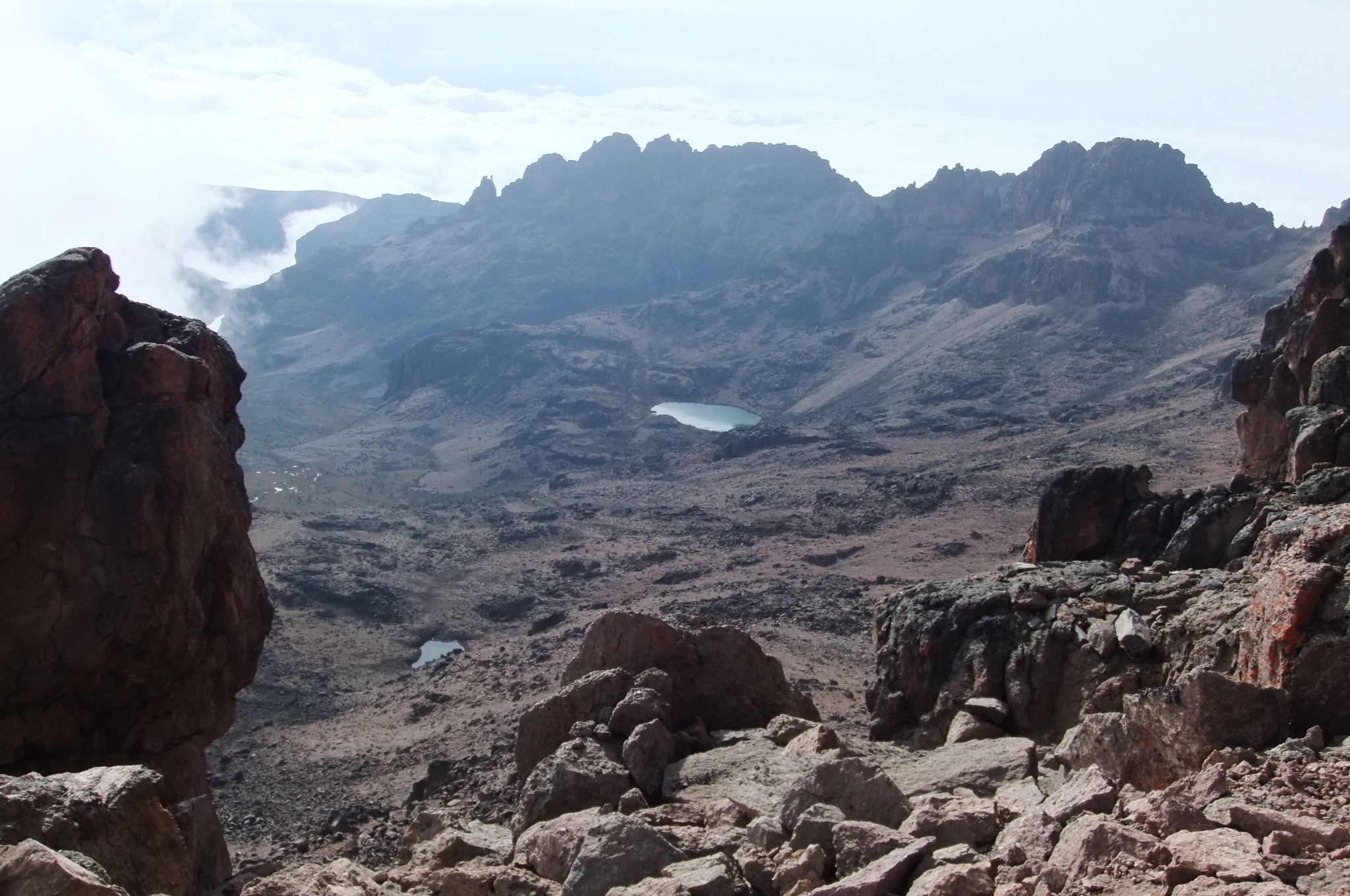
The approach route was beautiful, yet nothing prepared us for the exquisite tapestry laid out on the descent. Here Mt Kenya presented us with her most captivating face; steep smooth sided cliffs, the incredible avocado green Gorges valley and the azure blue turquoise Lake Michaelson. The best surprise was her cloak of endless groves of yellow and orange Protea bushes. That night we camped in Alice’s wonderland.
So it was that we reached the final day of our descent. The night had brought intermittent rain, and left a mist to accompany us past steep buttresses to the base of the mountain. We found ourselves in a Rosewood forest, with long twisted lichen braids hanging like curtains at the end of a mesmerising show. All that remained was a forest of Camphor and a long muddy road to the Chagoria Village.
 Nomadic Adventures's Blog