Eight-wheeled drive mechanism, stereo vision, robotic arms, safety reflexes, four spider legs and four-rocker wheels are all terms you will find associated with a Rover, an incredible engineering masterpiece designed to navigate an alien planet like Mars.
You may wonder what this has to do with travel on earth and the answer is quite simple. The Atacama. Of all the places on earth there is only one that so perfectly replicates the conditions of the moon and mars, that NASA has been using the desert to assess the performance of rovers since 1977.
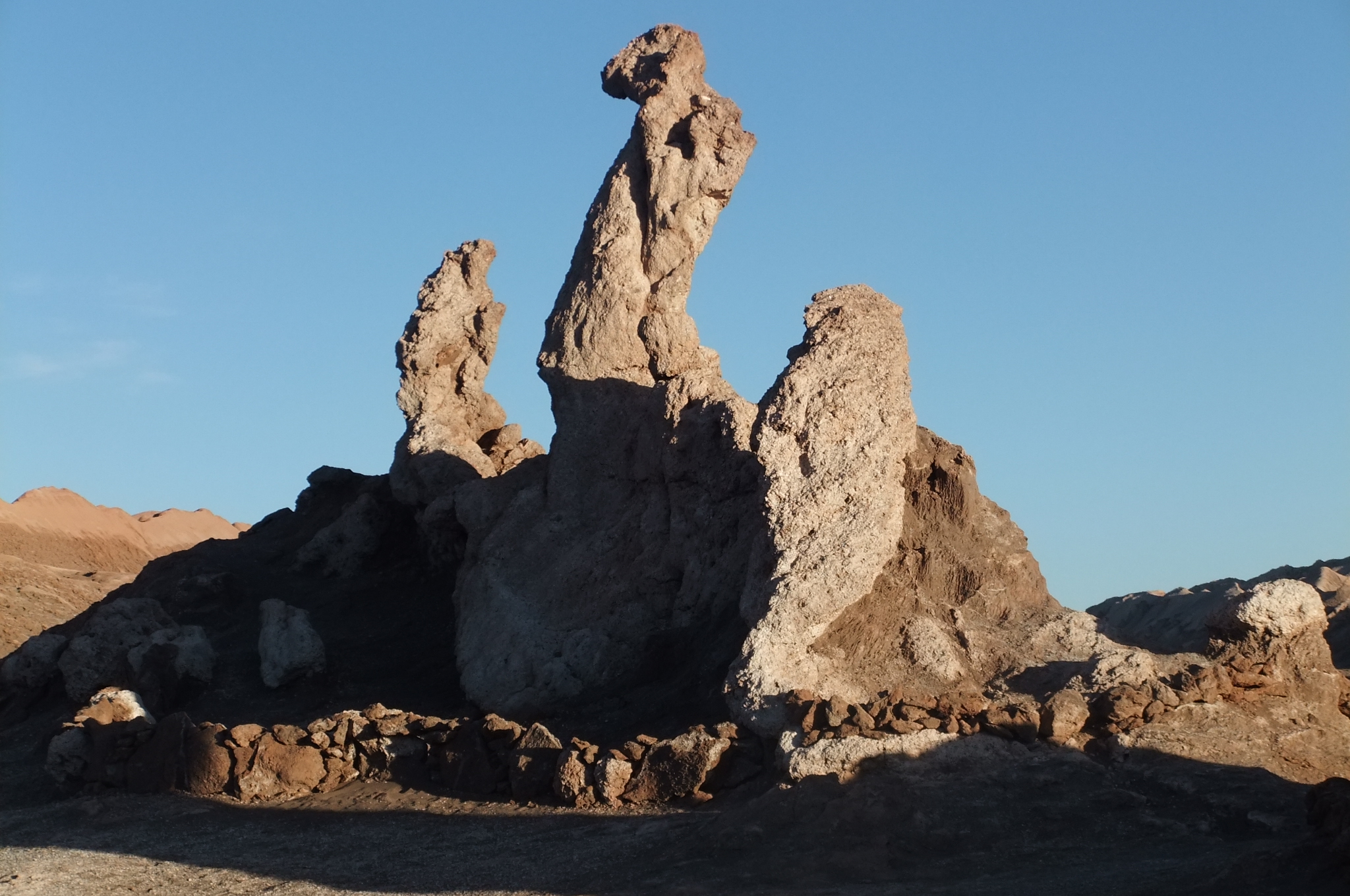
Because the Atacama is such a dead and desolate place, NASA has come to view it as the perfect analogue to Mars on Earth. Nasa’s latest Rovers have used prototype instruments to try and detect life, “because if we can’t do it in one of the deadest places on Earth, we have no business taking it to Mars,” explains Brian Glass, principal investigator of the Atacama Rover.
The Atacama Desert is the driest non-polar desert in the world, as well as the only true desert to get less rain than the polar deserts. It currently receives around 15 mm per year, although certain areas only get around 1-3mm.
The area is so desolate and dry that there are no pathogens lurking in the rock and sand, so much so that you can fall, scratch your arm, and not worry about getting an infection.
So, what makes the Atacama such a magical place to visit and rate so high on tourists lists of places to see?
Like Mars, the Atacama has an extreme landscape with large salt flats, rugged rocky outcrops, boiling geysers and to top it all, one of the most active volcanoes on earth. The night skies are amongst our planets darkest and perfect for star gazing and astronomical studies.
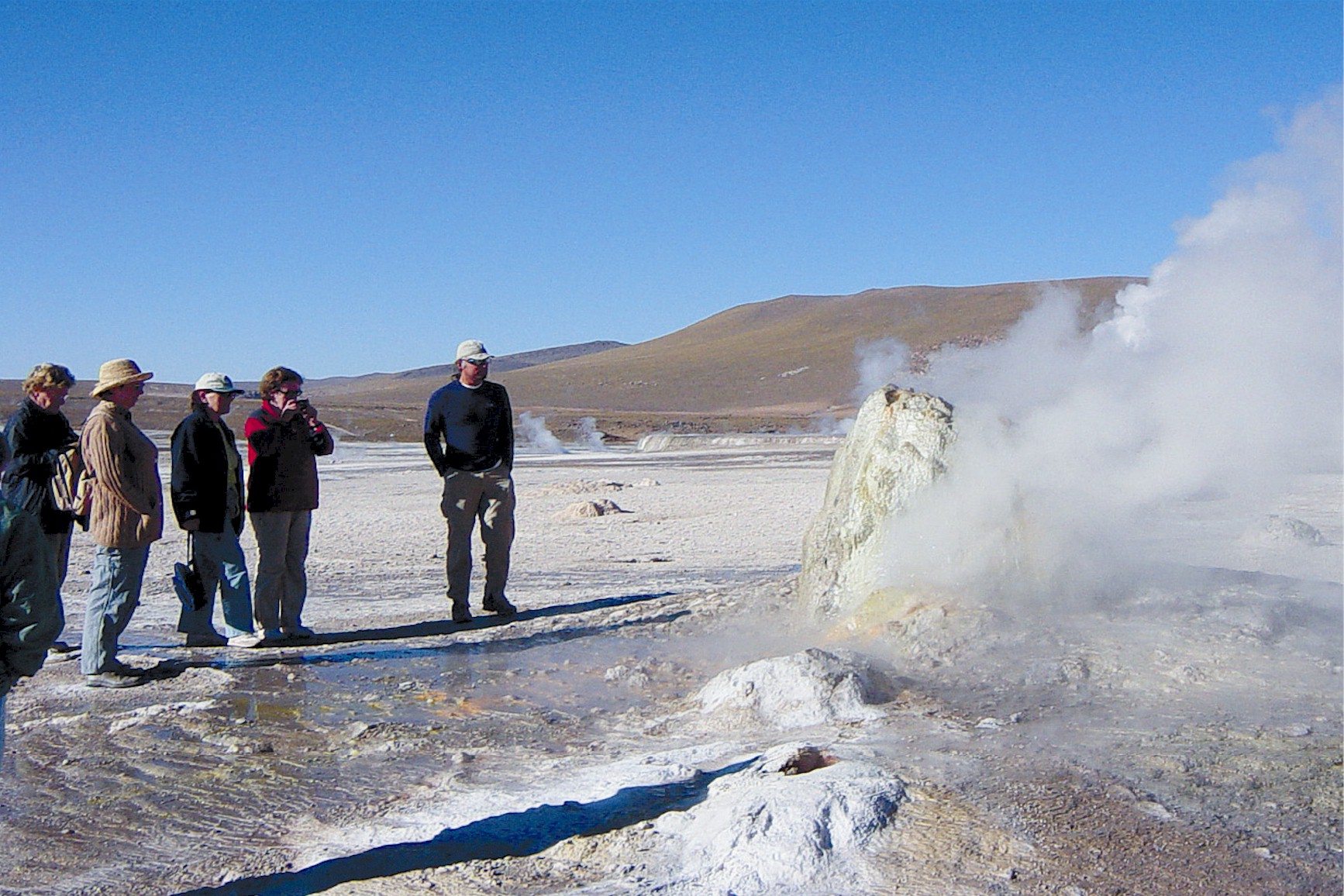
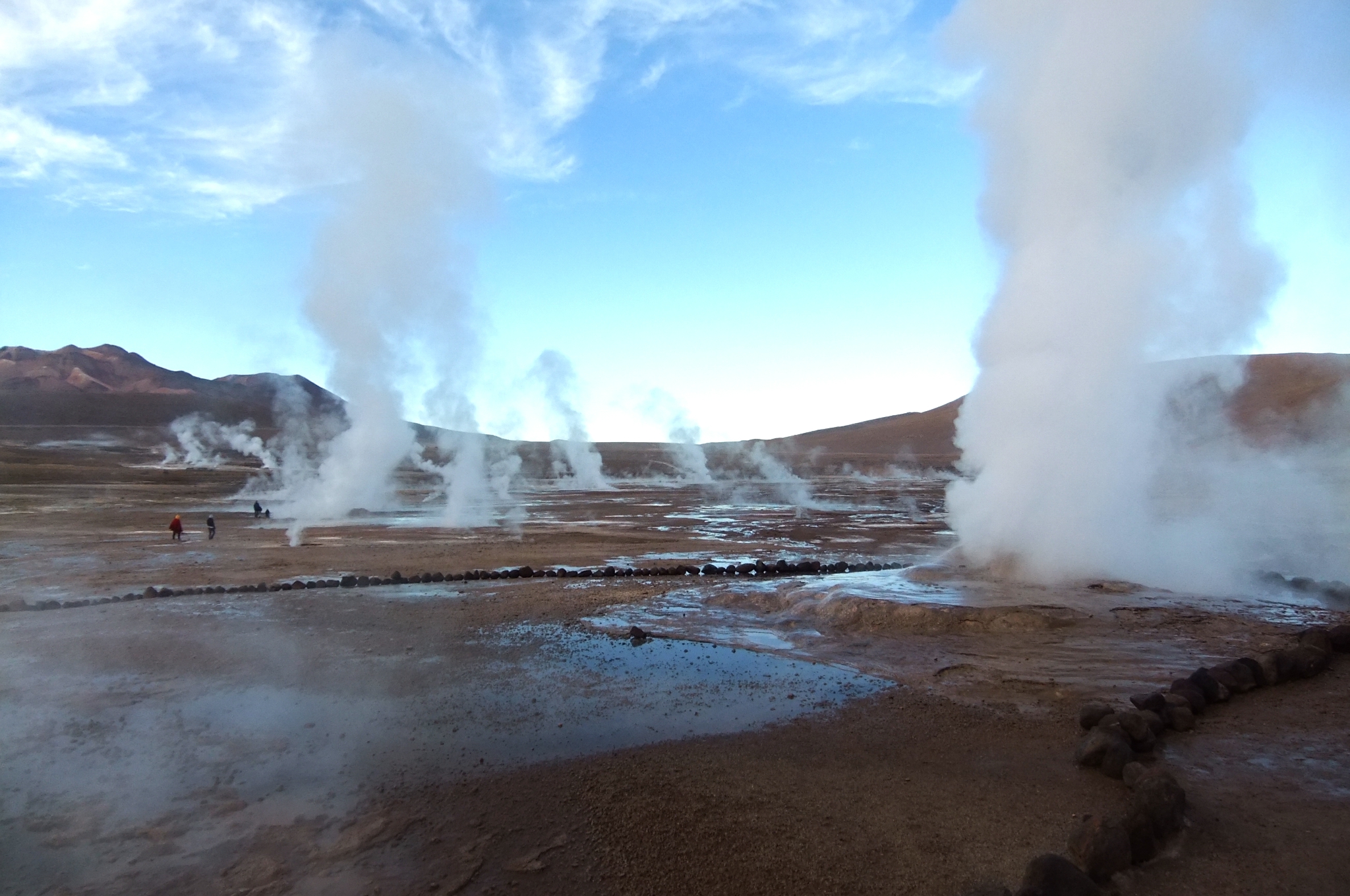
The north of the Atacama is host to the largest geyser field in the South Hemisphere. Bubbling, gurgling, belching pockets of steaming water and gas at an altitude of 4320m. There are a total of eighty geysers in the area called El Tatio, aptly translated to mean “oven.”
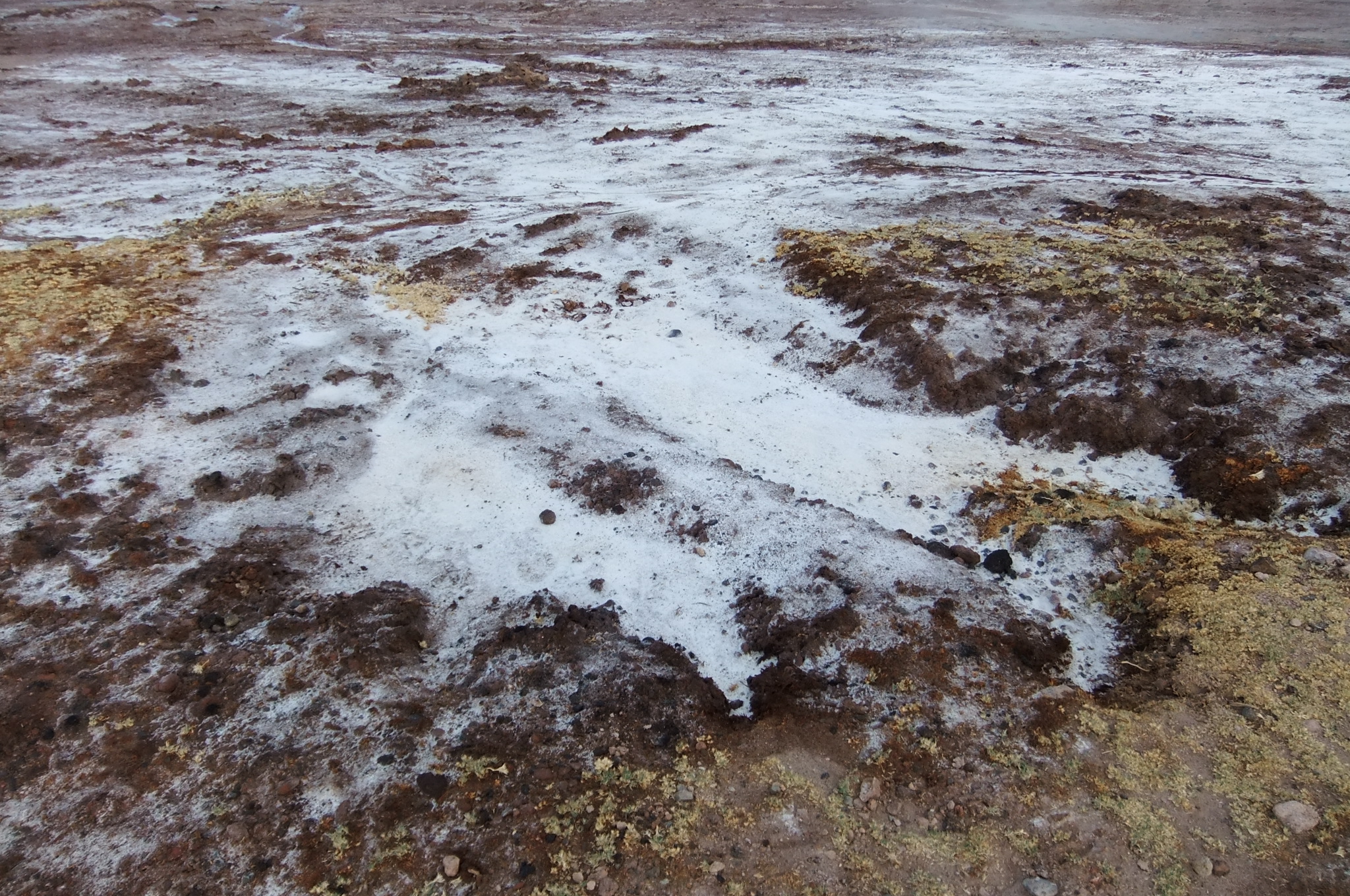
Moving south from the geyser field is the Atacama Salt Flat, one of the largest salt deposits in Chile covering an area of around 300 000km2. The area beneath the salt flats also has one of the largest lithium deposits in the world. This mineral is highly prized and used in the technology industry, and sadly exploited in the southern area of the flat. But the area is not simply a layer of salt lying on the desert surface. It is in fact, a lake with a thick salt crust. Small holes in the salt layer give rise to tiny lagoons which are home to an array of aquatic birds, from flamingo to guallatas and red-gartered coots.

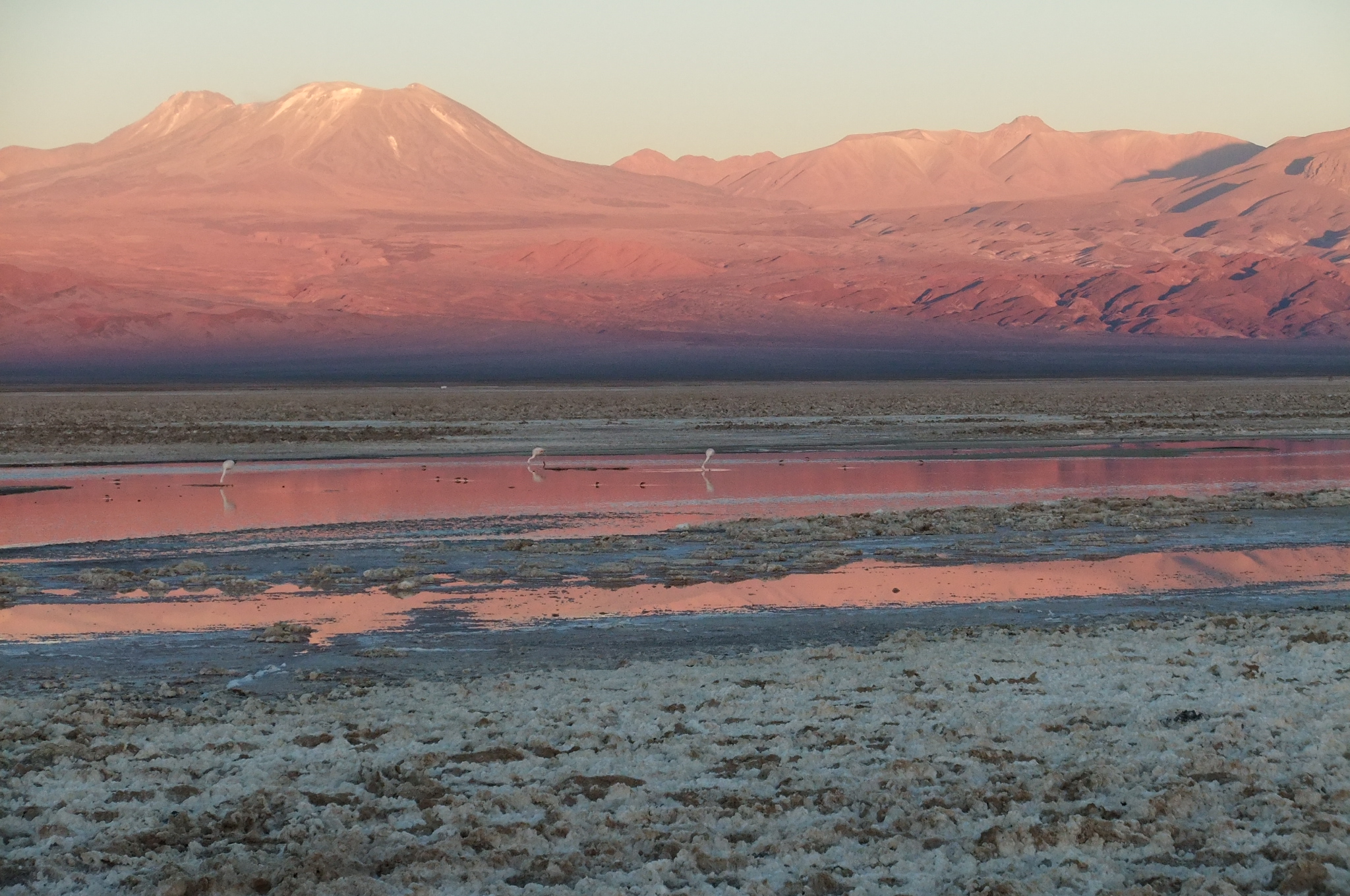
At the nearby Chaxa Lagoon at Los Flamencos National Reserve, large numbers of Chilean and Andean Flamingo have taken up residence.
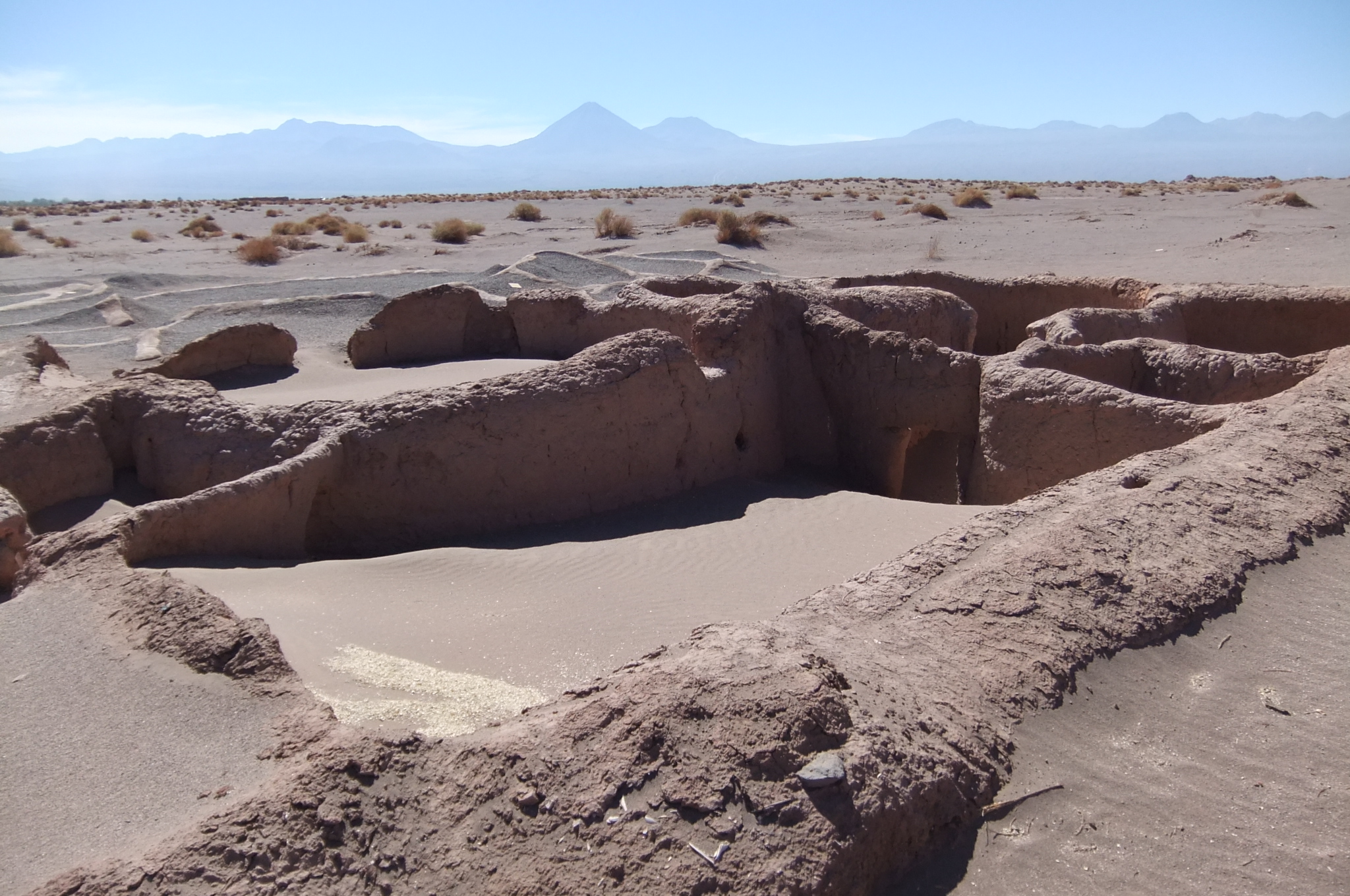
Within the reserve is the Valle de la Luna, or valley of the moon, named for its moon like appearance of dry rock carved and chiselled into rugged formations and flutes by years of beating winds.
Spectacular sunsets give way to night skies with iridescent unending starlit nights serving as the perfect end to a day filled with fascinating sights.
By Debra Bouwer
 Nomadic Adventures's Blog